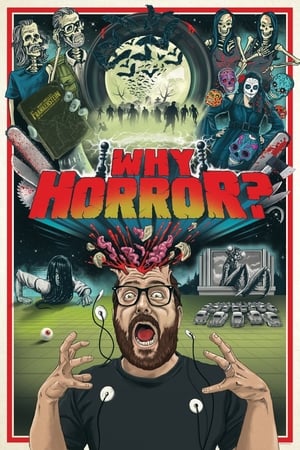
Horror fan Tal Zimerman examines the psychology of horror around the world to find out why people love to be scared.
In 1973 the Halloween industry would be changed forever When Knott's Berry Farm in Buena Park, CA, hosted their very first Halloween Haunt event. Many years later, employees of the park known as "Street Monsters" developed a new scare tactic that involved sliding great distances across concrete asphalt in order to surprise and scare the guests of the event. In this film you will hear the stories of the Street Monsters who invented or who refined this skill into what it is today and also see what it takes to be a Street Monster at this event.
Forrest J. Ackerman styles himself as the number-one fan of science fiction and horror movies, and he has the collection to back it up: more than 350,000 books, publicity stills, lobby cards, props, posters and paintings related to his obsession.
The life and thoughts of Juan Manuel Espada, keeper in charge of the morgue sited at the Medicine University of Valencia.
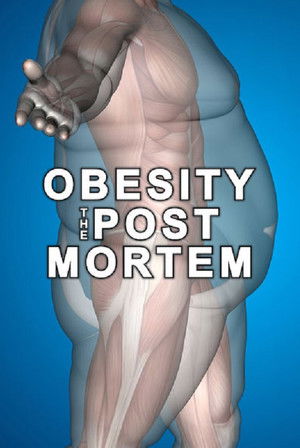
Documentary revealing just how dangerous too much fat is to our most vital internal organs. The programme follows a specialist pathology team as they conduct a post-mortem on the body of a 17-stone woman whose body was donated to medical science. Their findings, as they dissect the body and its organs, are startling, exposing the devastating impact of obesity with stunning visuals and fascinating medical facts. Morbid obesity reduces life expectancy by an average of nine years and is blamed for over 30,000 deaths in the UK every year. With 65 per cent of people already overweight or obese, this extraordinary film is a powerful contribution to the debate about fat, food, lifestyle and how the health service will cope with the growing obesity crisis.
In an intense action-filled 85 minutes, you will learn to defend yourself against the mounting threat of “knife culture” offenders.
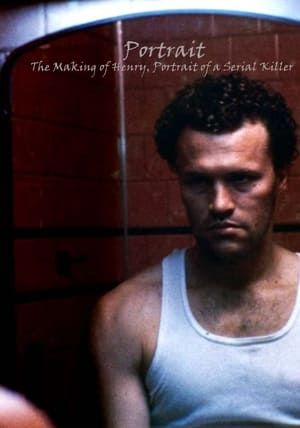
Making of documentary from the Ultra HD Blu-ray edition of Henry: Portrait of a Serial Killer released on the movie's 30th anniversary.
Using testimonies by pioneers and witnesses of the times, delve into the feverish visual culture the media generated – with far-fetched examples of canine television games, seduction manuals, aerobics class while holding a baby, among others.
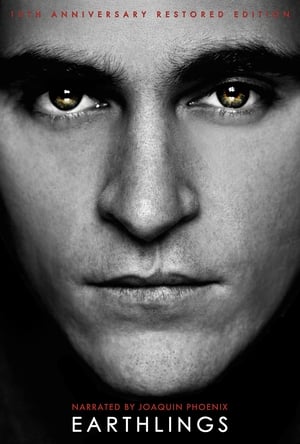
Using hidden cameras and never-before-seen footage, Earthlings chronicles the day-to-day practices of the largest industries in the world, all of which rely entirely on animals for profit.
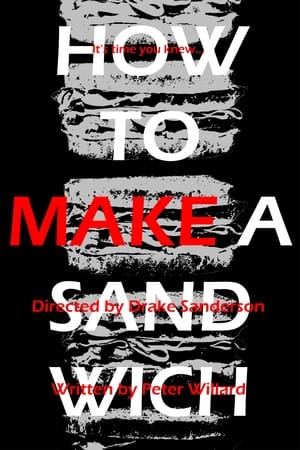
Based on the popular phone service, "How To Make a Sandwich" is a short film directed by Drake Sanderson that depicts the rise of media star, Peter Willard, and his acclaimed sandwich-making skills. From breads to meats to condiments, follow Peter as he teaches you how to make the perfect sandwich!
Video mixtape composed of shock footage.
A collection of death scenes, ranging from TV material to homemade super 8 movies.
A horrific triple child murder leads to an indictment and trial of three nonconformist boys based on questionable evidence.
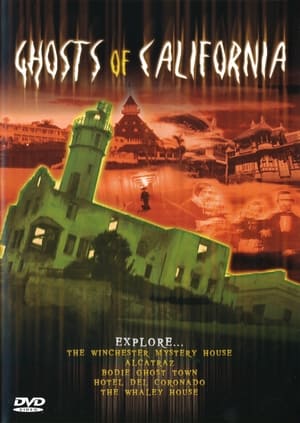
A short collection of local legends and ghost stories about Erie, Pennsylvania, and its surrounding areas. Produced by and aired on WQLN Channel 54 Erie.
El proyecto del Pitufo Enrique is a document about the existence of a mysterious goblin from the province of Catamarca. During the filming of the movie there were some tragic incidents, such as the disappearance of six people or the violent deaths of another three. Some of these incidents were registered on video but couldn't see the light because of the ongoing legal battle between the director and the victim's families opposing its screening. On the contrary, Elvira Serio director of the movie, thinks that what is on the tape could be of great help shedding some light over all the mysteries around this thread. She hopes that her work can serve as a warning as well to all the residents and tourists who often visit that place.
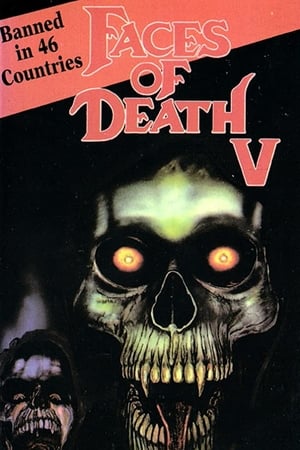
This film continues along the same lines as F.O.D. 1 with short scenes of material related to death. Mortuaries, accidents, police work are filmed by television equipment and domestic video cameras.
If there is one person Matthew Lancit can’t get out of his mind, it is his uncle Harvey. Dark rings around his eyes, pale, blind, his legs amputated. Like Harvey, the filmmaker also suffers from diabetes. He has the disease under control, but one question is always nagging at him: How much longer? His long-term (self-)observation reliably revolves around fears of infirmity and mutilation. He translates the feared body horror into film, stages himself as a zombie, vampire, a desolate figure. Lancit playfully anticipates his potential decline, serving up a whole arsenal of effects which – as video recordings prove – go back to his youth. It is not for nothing that the “dead” in the title is also reminiscent of “dad.” Because “Play Dead!” also negotiates his own role as a father.
Delves into the history of the most extreme and shocking films that have ever been made. chronicles the timeline of Red Films: those films that are too extreme for the mainstream and historically have been circulated via the bootleg circuit.
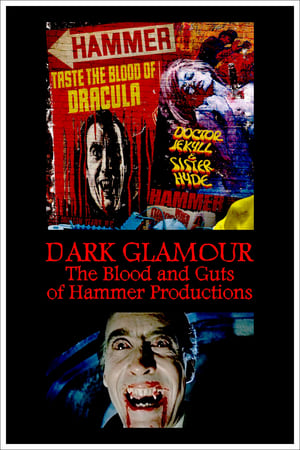
The greatness, fall and renaissance of Hammer, the flagship company of British popular cinema, mainly from 1955 to 1968. Tortured women and sadistic monsters populated oppressive scenarios in provocative productions that shocked censorship and disgusted critics but fascinated the public. Movies in which horror was shown in offensive colors: dreadful stories, told without prejudices, that offered fear, blood, sex and stunning performances.