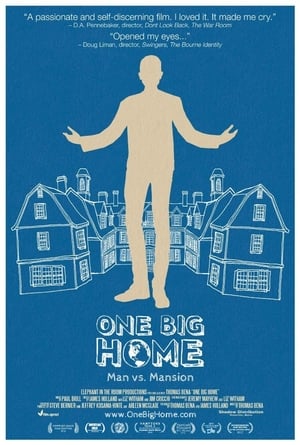
On the tiny island of Martha's Vineyard, where presidents and celebrities vacation, trophy homes threaten to destroy the islands unique character. Twelve years in the making, One Big Home follows one carpenters journey to understand the trend toward giant houses. When he feels complicit in wrecking the place he calls home, he takes off his tool belt and picks up a camera.
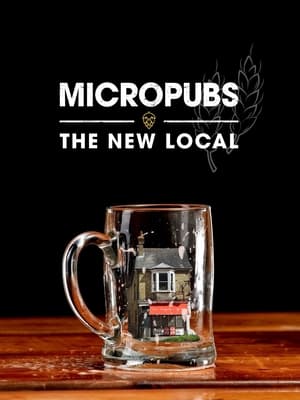
Inspired by the original micropub craze in Kent, three entrepreneurial Londoners decide to open their very own micropub and revitalise their high streets through a love of real ale, conversation and community spirit.
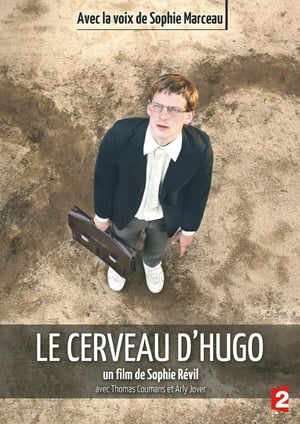
The Hugo's Brain is a French documentary-drama about autism. The documentary crosses authentic autistic stories with a fiction story about the life of an autistic (Hugo), from childhood to adulthood, portraying his difficulties and his handicap.
This is Part 2 of the My travels short documentary films by Jana Angelova. Exploring the history, architecture and interesting facts about the city of London.
In this short docu-fiction film, strong and hardy Inuit hunters demonstrate and test their strength in boxing, tug-of-war, and other strenuous activities. We see and hear the drum dance, a demonstration of Inuit poetry and rhythm.
L, a student in India witness to the government's violent response to university protests, writes letters to her estranged lover while he is away.
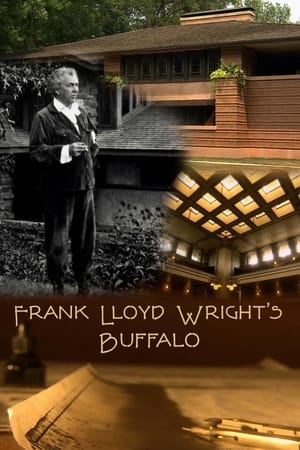
In Buffalo, N.Y., some of the greatest works of American architecture relay a remarkable story that resonates with the universal themes of home, family and friendship. The charismatic Frank Lloyd Wright, destined to become America’s greatest architect, called Darwin Martin, an unassuming, wealthy businessman from Buffalo, his “best friend.” Frank Lloyd Wright’s Buffalo reveals how Martin’s three decades of support fostered Wright’s career and led to some of the architect’s renowned masterpieces—the Larkin Administration Building, the Darwin Martin Estates and the Martin summer home, Graycliff—all in Buffalo, New York.
Amie Siegel’s film installations often reveal the hidden narratives behind architecture and design, investigating the mechanisms by which objects, materials, and spaces accrue meaning and value. The Architects examines the processes of architectural creation, using the artist’s signature slow, parallel tracking shots to offer insight into the inner workings of multiple architecture firms, slicing through them laterally like an architect’s section plan... Siegel not only punctures the myth of the singular “master architect” but also poses questions around creative autonomy, the sociopolitics of labor, and the circulation of capital. (Source: MoMA)
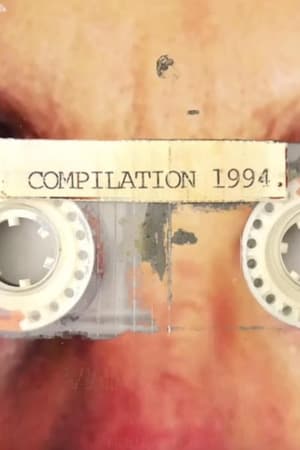
This film weaves across sound, image, time, rhythm and place and is made up of a number of layers both sound and visual layered on top of one another, talking to and informing each other. It is made using digital transfer versions of c90 tape compilations I made between 1992-1995, juxtaposed with moving image footage of me in 2018 and 2020 and a typeface font graphic ‘See Me’ that I designed in 2005. The c90 cassette on screen is the cassette compilation that I still have from 1994. The film also includes drawings and photographs and other artworks from my personal archive as an artist from the last 25 years. As I walk down the streets that were so important in shaping my life as a young gay man living in London, I revisit the gay bars and pubs that have been my safe spaces for the last twenty years and more, spaces that are now closed.
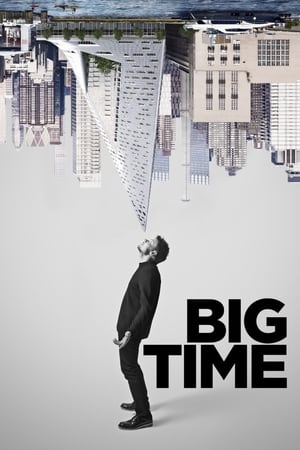
Big Time gets up close with Danish architectural prodigy Bjarke Ingels over a period of six years while he is struggling to complete his largest projects yet, the Manhattan skyscraper W57 and Two World Trade Center.
Between 1968 and 1970, J M Goodger, a lecturer at the University of Salford, made a film record of the living conditions in the slums of Ordsall, Salford, which were then in the process of being demolished. Under the title 'The Changing face of Salford', the film was in two parts: 'Life in the slums' and 'Bloody slums'.
Using local media footage from the London Borough of Southwark spanning the past 20 years, this documentary discusses complex social issues including gang violence, knife crime, and mental and sexual health.
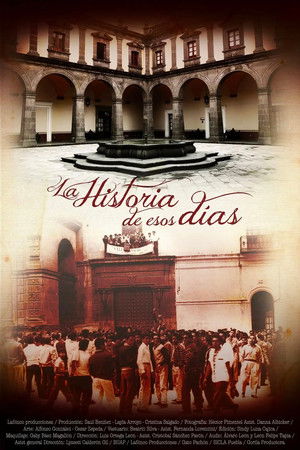
La Historia de Esos Días
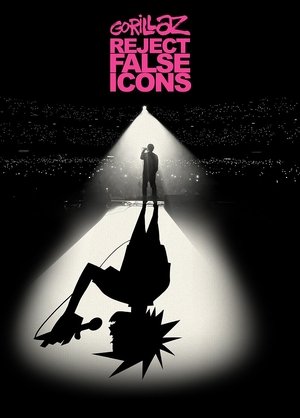
Focused on the life of the band and their collaborators over the 3 vital years in which they developed critically acclaimed albums, 'Humanz' and 'The Now Now', and undertook their most ambitious world tour to date.
The history of arguably the most famous shop in the world, which has been based on Brompton Road in London for more than 175 years, employs more than 6,000 people and still welcomes 15 million customers every year. This documentary tells the story of the people behind the department store, including Robin Harrod, the great-great-grandson of the store's founder, and culminates with the recent allegations against former chairman Mohamed Al-Fayed
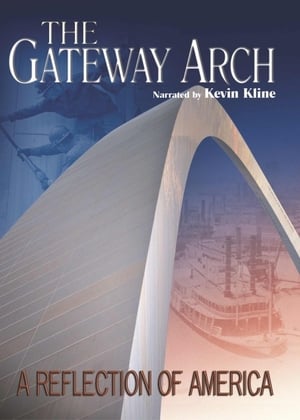
The Gateway Arch: A Reflection of America chronicles for the first time the complete story of this great American symbol… from Thomas Jefferson, Lewis & Clark, and St. Louis’ role in westward expansion; to the eventual construction of the largest stainless steel structure in history.
Four friends tired of protests are thinking about another way to shake up capitalist society. Driven by fiction, they decide to blow up a Brussels shopping center. How to think the attack? What roles do they need to play in order to imagine taking action? Is their friendship reconcilable with such a radical act?
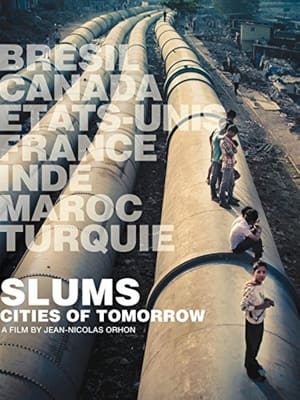
One billion people on our planet—one in six—live in shantytowns, slums or squats. Slums: Cities of Tomorrow challenges conventional thinking to propose that slums are in fact the solution, not the problem, to urban overcrowding caused by the massive migration of people to cities. (Lynne Fernie, HotDocs)
A documentary with and about the legendary Italian Architect Carlo Scarpa.
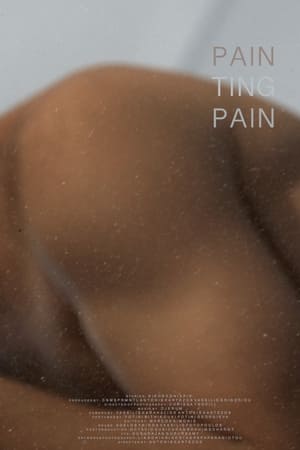
The film approaches the work of the Greek artist Nikos Koniaris. The particular way in which the painter depicts human suffering is presented through a film - a hybrid of real recording and directed material. The grief, the sick body, is reflected in self portraits, portraits of dying strangers and paintings of dead models. The paintings, apart from his work, also express a different version of himself. All together contribute to the depiction of man as a "garment of pain".