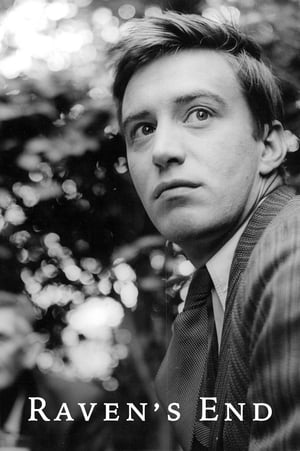
In 1936, aspiring writer Anders, along with his friend Sixten, is desperate to escape his working-class upbringing. Anders' father is an unemployed alcoholic and his mother slaves away at a laundry to support the family. A ray of hope comes Anders' way when he finishes his first novel and submits it to a publisher. But after his girlfriend gets pregnant, his future dims before his eyes once more.
A man is terrorized by his half-eaten apple.
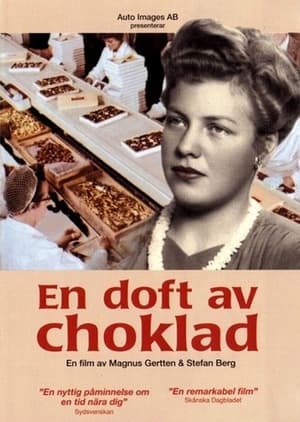
Documentary about Margit Nielsen and her work at the Malmö chocolate factory.
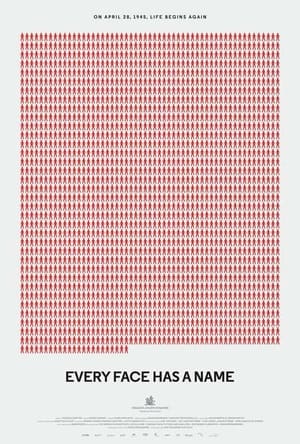
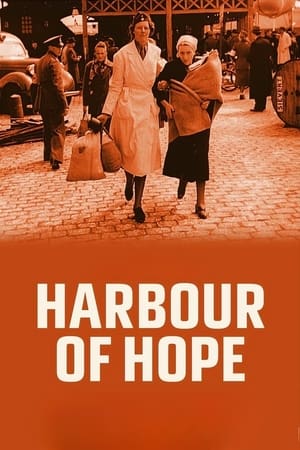
In 1945 Irene, Ewa and Joe were among the nearly 30,000 survivors rescued from German concentration camps to the peaceful harbour town Malmö, Sweden. Here they started life again.
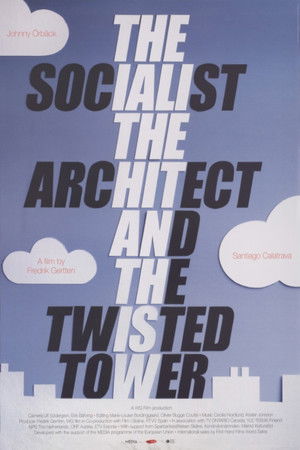
A dramatic, behind-the-scene-story about the building of Santiago Calatravas Turning Torso in Malmö. A 190 meter high, twisted residential building which was appointed "worlds best residential building project" at Mipim in Cannes, 2005.
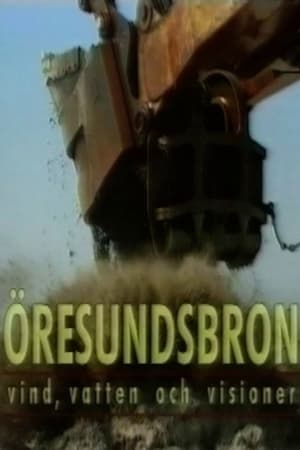
Partway through the building of the Öresund Bridge this documentary looks at the process for what has been built so far and looks into the future at what opportunities the bridge might bring.
Recalls the day when Holocaust survivors took their first steps into freedom, unaware of their future. Every Face Has a Name puts a name on those nameless faces and lets them recount their feelings of that day, the 28th of April, 1945.
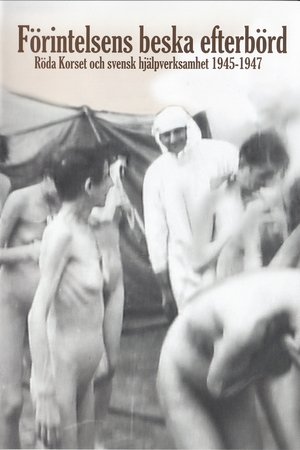
The film starts just when WWII is over. A German ship, m / s Homberg, arrived at Malmö Nyhamn on May 11, 1945. On board there were over 1300 former concentration camp prisoners to be taken care of. We then follow one of the Red Cross Sergeant who was in Germany and received prisoners from concentration camps for further transport by boat to Sweden. 10000 prisoners would be decontaminated and made ready for departure. This happened in Lübeck. He was later moved to Poland to transport medical equipment to Otwock outside Warsaw where Sweden would build a hospital. Through his amateur photos we get an insight into the difficult circumstances that prevailed.
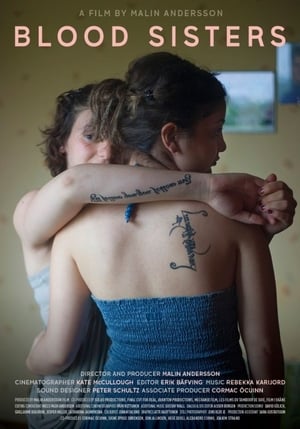
Julia and Johanna, from the high-rise flats of Rosengård in Malmö, inseparable for as long as they remember. Curled up beside each other at night, carrying equal memories of abduction and abuse in their home country Azerbaijan. In Blood Sisters we follow their journey from twin sisters in symbiosis to young women trying to stand on their own feet.
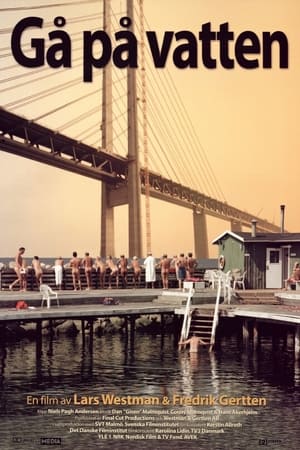
An often humorous documentary about the building of the Öresund bridge, connecting Copenhagen in Denmark to Malmö in Sweden. We meet the people who work on production of the bridge, as well as opponents to the idea of such a bridge.
A fairy tale about communism, social-democracy, and capitalism. (The sequel to Wandering Marxwards)
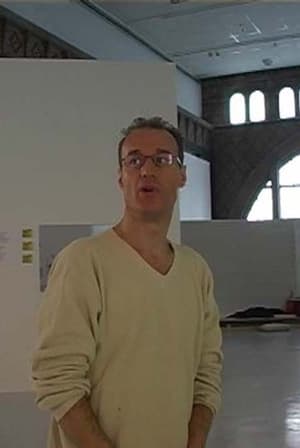
A series of psychic readings of spaces, commissioned by the artist in an attempt at connecting with the past of domestic or exhibition spaces, despite the limitations of rational discourse. The video is not edited, respecting the actual duration of the performance. In this particular case, Frans Dupont is looking at the past but also at the future of Rooseum - Center for contemporary art in Malmoe, which was on the verge of being shut down while Blum was artist-in-residence.
A painter begins to question his place in the world, but when a "divine being" promises to show him a new world, how can he say no?
After her mother went to Hong Kong to work, the little girl Jin Ling lived with her mother-in-law and brother in a rural area of Guangdong. Her mother rarely appeared in the screen, but she seemed to “fill” Jin Ling’s life.
Otrofoco dusts off the scandal of the 1990s, when the so-called Youth Patrol was making waves in Chilean politics. It unveils the story behind the infamous “Piñeragate” (or “Kiotazo”), where a young Sebastián Piñera — joined by his buddies Allamand and Espina — faces an extreme situation that will trigger the downfall of his presidential campaign, as well as that of his ex (friend?) Evelyn.
The Bandit Tamer is a 1925 American silent film directed by J.P. McGowan.
After the mysterious murder of John Cowles' father, the son starts west to borrow money of his father's business partner, Col. Meriwether. He meets the Colonel's daughter, Ellen, and falls in love with her, not telling her of his fiancée, Grace Sheraton. Gordon Orme, an old acquaintance, turns up, tells Col. Meriwether about Grace, and the Colonel is so enraged he refuses to lend the money. John's mother and Grace have followed John and his mother urges him to try the gold fields. He discovers gold and wins Ellen, after both Gordon and Grace, who is really in love with Gordon, are killed.
When Cameron, 17, misinterprets the expression "knock on wood," she becomes obsessed with knocking her head for extraordinary luck.
In an age of overlapping ecological, political, and social crises, the question of care and responsibility takes on enormous significance. Who cares for whom, and under what conditions? How can we think of care beyond normative role models, structural isolation, and exploitation? In light of the climate crisis, wars, growing social inequality, and the profound experiences during the pandemic, one thing is clear: without radically rethinking care work, a more just future cannot be achieved. The group screening brings together three video works that deal with practices of care. Starting from the private sphere, the works develop perspectives on care beyond the neoliberal burden of personal responsibility and examine how solidarity can be conceived and lived.