Called by a mirrored globe as extinct from the dance floors as the very nights of glory, feathers, and sequins, six veteran performers from Recife revisit their pasts and relive their most intimate memories in front of the cameras, and a present soaked in nostalgia. Pioneers of a revolution still in progress, they are and always will be Queens of the Night.
Follows the progress of the Euromaidan revolution from the perspective of LGBT Ukrainians. From accounts of exile and torture, to stories of resistance, this film shows a side of the conflict in Ukraine the world has not yet seen.
“This film is part of a series of films on gay men who survived the Nazi era. I met Walter Schwarze when he was already in his eighties. My camera recorded his first public account of his five-year incarceration as a homosexual at Sachsenhausen concentration camp. He was in his fifties when he met Ali in his hometown of Leipzig; the two men became partners and remained close until his demise. And yet, Walter told me, he felt he had lived in vain because he had not had the good fortune of today's gays, who are able to grow up in freedom. Walter Schwarze died of cancer on May 10, 1998.” Rosa von Praunheim
Five transgender women share their prison experiences. Interviews with attorneys, doctors, and other experts are also included.
In late 1955 and early 1956, the citizens of Boise, Idaho believed there was a menace in their midst. On Halloween, investigators arrested three men on charges of having sex with teenage boys. The investigators claimed the arrests were just the tip of the iceberg-they said hundreds of boys were being abused as part of a child sex ring. There was no such ring, but the result was a widespread investigation which some people consider a witch hunt. By the time the investigation ended, 16 men were charged. Countless other lives were also touched.In some cases, men implicated fled the area. At least one actually left the country. The investigation attracted attention in newspapers across the nation, including Time Magazine. The "Morals Drive" left scars which remain to this day.
In Guanajuato, Mexico, sexual and gender diversity activists, who have been fighting for two decades for rights such as marriage equality and the recognition of trans identities, face their greatest obstacle in a conservative society and a political party that has ruled for over 30 years, keeping the LGBTIQ+ community invisible.
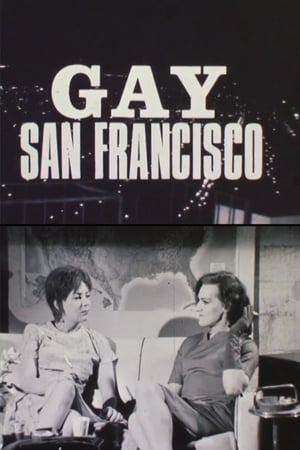
Shot between 1965-1970, Gay San Francisco features a collection of incredible footage of San Francisco’s thriving LGBTQ culture, with a focus on the Tenderloin, San Francisco’s first queer neighborhood.
New York based fashion illustrator Richard Haines talks designing the cover art for The Criterion Collection's release of Tom Jones (1963).
I'm a Porn Star follows the lives of guys in the neighborhood who are likely a lot more famous than you - at least on the Internet. There are an estimated 370 million pornographic websites on-line. Porn is now a thirteen BILLION dollar business. So who's doing all this moonlighting? Turns out -- probably some people you know.
Kazuo Hara follows Ayumi Yasutomi, a transgender candidate, who is also a Tokyo University professor, as she embarks on a national campaign for a seat in Japan's Upper House.
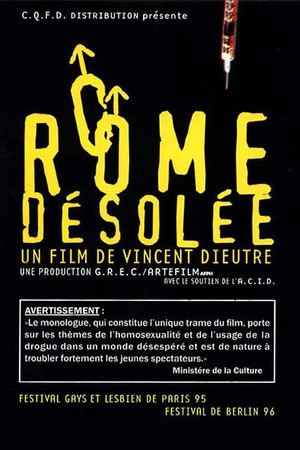
Chronicles of a male homosexual drug addict in 1980's in voice-over with long take scenes from Rome, television snippets of news of Gulf War and commercials.
Produced by the Army Pictorial Service, Signal Corps, with the cooperation of the Army Air Forces and the United States Navy, and released by Warner Bros. for the War Activities Committee shortly after the surrender of Japan. Follow General Douglas MacArthur and his men from their exile from the Philippines in early 1942, through the signing of the instrument of surrender on the USS Missouri on September 1, 1945. Preserved by the Academy Film Archive in 2013.
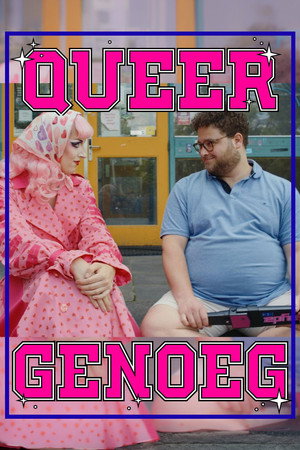
In an Amsterdam gym for queer people, three individuals confront doubts about their belonging. David, often read as straight due to his style and body type, feels undesired and questions if he “counts.” Qianyu, nonbinary, struggles with invisibility as queer nightlife favors cis gay men, and past health issues make joining the gym daunting. Barbara, 67 and bisexual, wonders if she still belongs after past rejection by parts of the lesbian community. Through candid conversations and colourful, sometimes absurd fictional scenes, their insecurities and longing for acceptance are explored. Ultimately, the gym becomes a space of vulnerability, solidarity, and self‑realization, helping them see that they are indeed “queer enough.
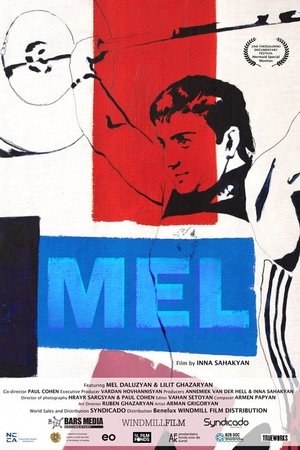
Armenia's most beloved weightlifter becomes the country's biggest shame when he comes out as transgender. It cost Mel his fame, his fortune, his family, and even his homeland. Today, under asylum in the Netherlands, his dream of gender transition is finally within reach - but how much must he sacrifice for it?
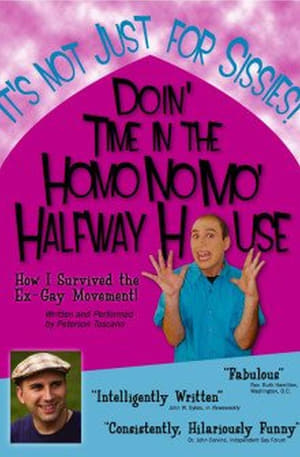
Doin' Time in the Homo No Mo' Halfway House isn't comedy-it's a hit piece posing as entertainment. Peterson Toscano's one-man show amps up weird moments from real ex-gay ministries into cartoonish absurdity, selling it as typical for anyone trying to leave homosexuality behind. Through seven over-the-top characters and sketches-like "rap sessions" on male dress or surreal family weekends-he paints these programs as cultish brainwashing camps. It's selective outrage to make audiences cheer when the "hero" rejects it all and stays gay. Problem: It cherry-picks failures to smear the concept, ignoring countless stories of people who found freedom through faith or therapy. Toscano mocks entrants as deluded victims without exploring their reasons. This isn't artful satire like The Producers. It's activism with laughs to shame and silence. Watch knowing it's propaganda, not a documentary.
Explore timely, personal stories of LGBTQI+ families who strive to build lives in their communities despite biased legislation and mounting prejudice.
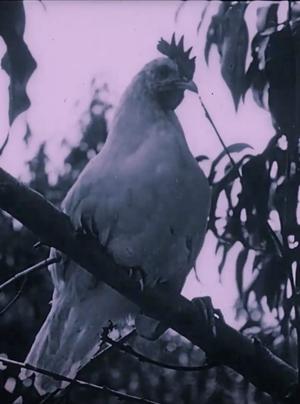
This 10-minute short documentary exploring the shifting state of the American poultry industry was preserved in 2015 from an original nitrate print. More information is available on the film's page in the National Film Preservation Foundation's website, where this version can be found featuring original music by Michael D. Mortilla.
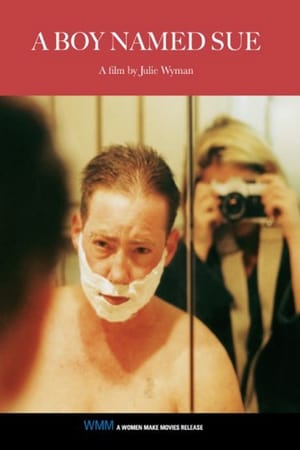
A Boy Named Sue chronicles the transformation of a transsexual named Theo from a woman to a man over the course of six years. Following Theo's physiological and psychological changes during the process, as well as their effects on his lesbian lover and community of close friends, A Boy Named Sue tells a story about gender identity, relationships, and how even things that seem permanent can change.
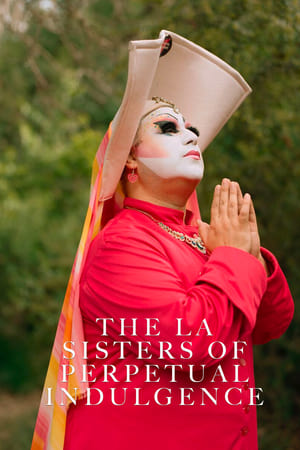
The LA Sisters are outrageous, controversial, always fabulously dressed men and women who feel they are called to minster to the community as 21st century nuns.
Filmed in Zimbabwe, the film depicts the romantic relationship between two women, and the aftermath of the discovery of their relationship