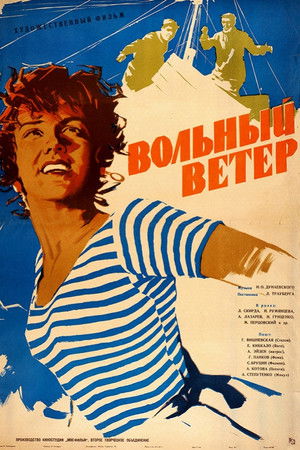
The port town of one of the small southern countries. After the Nazi occupiers left, the port's berths were empty, the steamers did not smoke, cargo cranes stood. Fearing retaliation for collaborating with enemies, port owner Georg Stan fled the city. After waiting a while and securing the support of local authorities, Stan nonetheless returns - and loading operations begin in the port. While loading oranges, the sailor Yango and the beautiful Stella are preparing for the wedding. Suddenly, Stan makes a proposal to the girl and tricks her into agreeing. Upon learning of the deception, the girl runs away to Yango. Having discovered weapons intended to support fascism in the drawer of the hold, the heroes do everything possible to make the boxes fall to the bottom of the sea.
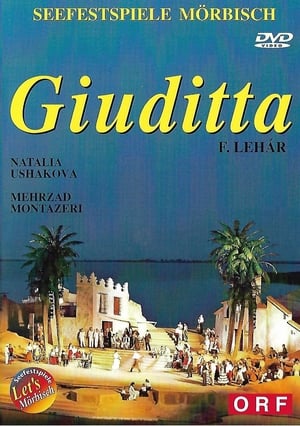
Austrian composer Franz Léhar's opera Giuditta receives a unique interpretation by the Seefestspiele Mörbisch in this stage production, which stars Natalia Ushakova and Mehrzad Montazeri as the principal leads. The Morbisch Festival Orchestra accompanies the production, while the Chorus and Ballet of the Seefestpiele Mörbisch lend added support.
The Husbands and The Knives
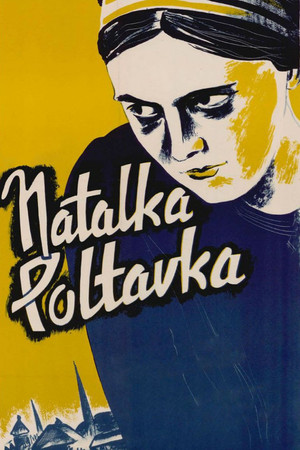
The trials and tribulations of Natalka and Petro. The sweethearts plan to get married, however, Natalka's father does not approve of the marriage because Petro's not affluent enough to keep Natalka in the manner he thought that she should be kept. Petro goes off to earn the required fortune. With no news from Petro for five years, Natalka succumbs to her mother's wishes and finally accepts her next offer of marriage, which happens to come from an old, but relatively wealthy government official.
Vinobraní
Paganini
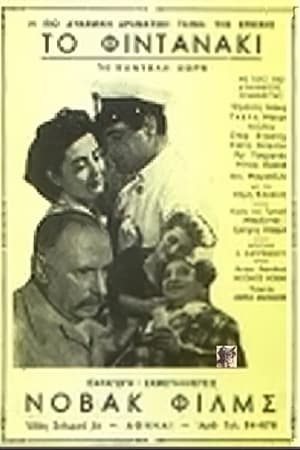
In a small courtyard of an Athenian neighborhood, the tenants become the owner of the cunning landlady who intervenes in their lives.
Vídeňská krev
A British musical film directed by Victor Hanbury and Ladislao Vajda
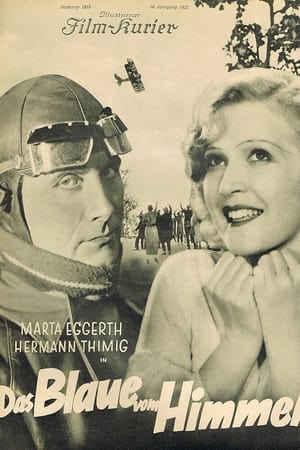
Out of unlikely circumstances an underground ticket vending girl and a mail pilot fall in love.
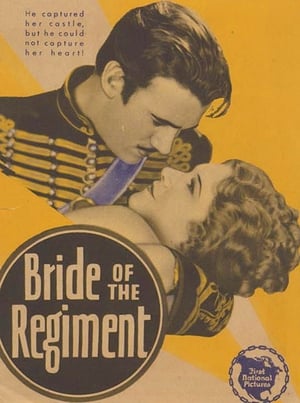
As they are leaving the church following their wedding, Count Adrian Beltrami and Countess Anna-Marie are told that the Austrians are marching on the town to quell an Italian uprising. The bride and relatives induce the count to flee to his castle, but Tangy, a silhouette cutter, brings word from the revolutionary committee asking him to return; the count goes, asking Tangy to pose as the count and protect Anna-Marie.
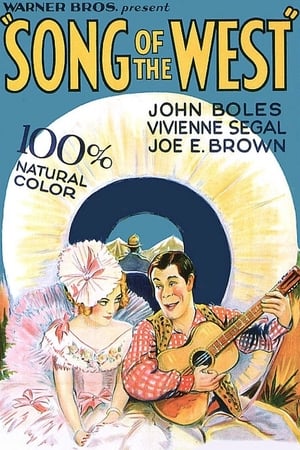
Captain Stanton, who because of a misunderstanding over a woman with Major Davolo, has been cited for a court martial. As a scout, he is sent to escort a wagon train which is under military escort. It turns out that this escort is his own former regiment. When he meet Davolo, there is another fight and between Stanton and Davolo in which Davolo is killed.
Trebizondská princezna
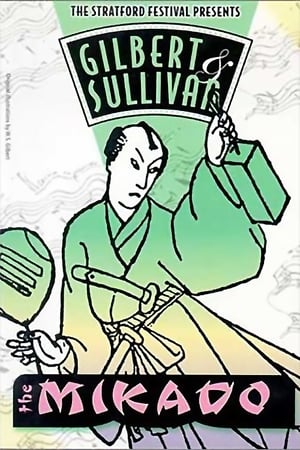
In a small Japanese town, Ko-Ko is appointed to the unenviable position of executioner. Knowing he must successfully perform before the appearance of the Mikado in a month's time, Ko-Ko finds a suitable victim in Nanki-Poo, who is distraught over his unrequited love for the maiden Yum-Yum. Nanki-Poo agrees to sacrifice his life if he is allowed to spend his remaining days with Yum-Yum, who is betrothed to Ko-Ko. Filmed live from the 1982 Stratford Festival in Ontario.
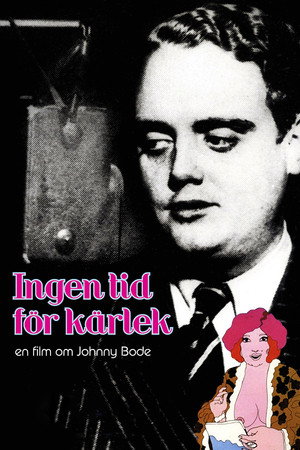
A film about Johnny Bode. Schlager diva, Operetta hero, filth musical innovator, enfant terrible, compulsive liar and amoral rogue. Johnny Bode (1912-1983) was very successful in Sweden and Europe. Yet he is today almost completely forgotten. Why? His life was so overwhelming, glamorous, fast and bizarre. So un-Swedish. He became fascinated by the nazism. Was arrested by the Gestapo and detained at Grini concentration camp in Norway. For five weeks. After the war he moved to East Berlin and proclaimed himself a dear friend of the GDR. Later he was deported and returned to Sweden. A time of fencing and small crimes followed. Escaped to Brussels at first and later Vienna. He was, as Juan Delgada, hired by the Vienna Opera to create new operettas. And was very successful. Johnny Bode died exhausted alone and abandoned in Malmö during the summer of 1983.
Mamselle Nitouche
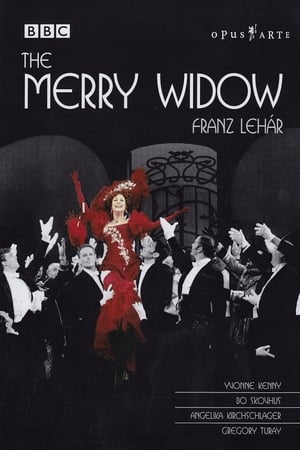
Lotfi Mansouri's spectacular last production as General Director of The San Francisco Opera with Yvonne Kenny making her debut in the title role, new dialogue specially commissioned from Pulitzer Prize-winning playwright, Wendy Wasserstein and an original ballet to set the scene ‘Chez Maxime’ bringing fresh insight into Lehár's classic operetta. This production also features another world premiere, Njegus's song, ‘Quite Parisian’.
Země úsměvů
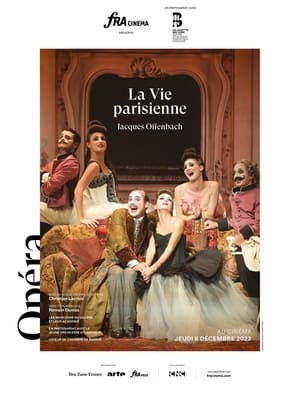
La Vie parisienne (Parisian life) is an opéra bouffe, or operetta, composed by Jacques Offenbach in 1866, with a libretto by Henri Meilhac and Ludovic Halévy. This work was Offenbach's first full-length piece to portray contemporary Parisian life, unlike his earlier period pieces and mythological subjects. It became one of Offenbach's most popular operettas.
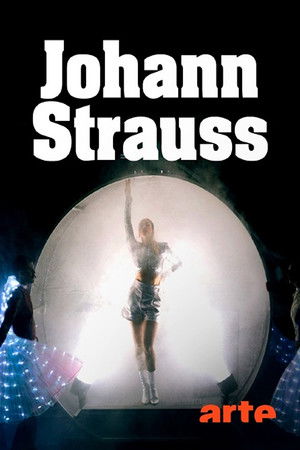
A musical show combining pop, theater, and circus inspired by Johann Strauss's operetta “Cagliostro in Vienna,” written by Thomas Brezina and presented by the Roncalli circus company.