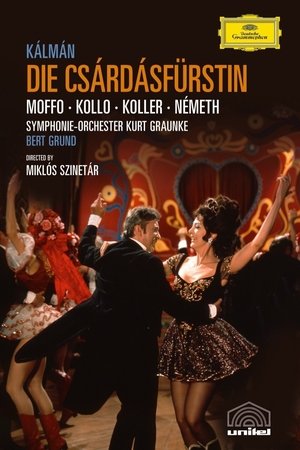
A Hungarian countess, wanting to dissuade unwanted suitors, announces her engagement to a fictional count Zsupán. Things go awry when a count Zsupán shows up, having heard of his engagement in the papers.
Country girl Margit sits for the artist Sándor, from Budapest. She is fascinated and charmed by him, and agrees to accompany him to the capital, so he can complete the painting there. Disillusionment sets in, however, when Sándor wins a prize with the finished portrait and loses interest in her. Margit recognizes that her true happiness lies at home, with Pista, her faithful lover.
Der Vetter aus Dingsda
Fatinica
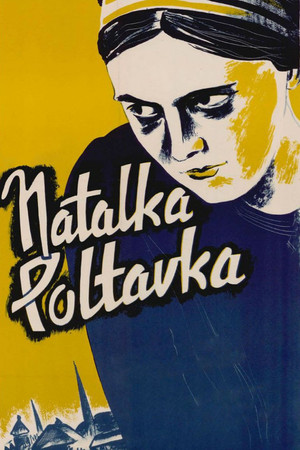
The trials and tribulations of Natalka and Petro. The sweethearts plan to get married, however, Natalka's father does not approve of the marriage because Petro's not affluent enough to keep Natalka in the manner he thought that she should be kept. Petro goes off to earn the required fortune. With no news from Petro for five years, Natalka succumbs to her mother's wishes and finally accepts her next offer of marriage, which happens to come from an old, but relatively wealthy government official.
Mamselle Nitouche
Noc v Benátkách
Vienna, Austria, late 1870s. After suffering an irreparable misfortune, the Austrian composer Johann Strauss Jr. (1825-99), the Waltz King, falls in love with a ballet dancer, which disappoints the famous operetta singer Marie Geistinger…
Maud Goodin is the daughter of a millionaire, content with her present life, but she is an interesting conquest for those wants to get on the social ladder.
Mlynářka z Granady
Vinobraní
The Husbands and The Knives
Paganini
Celestin is the singing teacher in a monastery and Denis is one of her students. They both dream about the life outside. (It's a Swedish version of the famous vaudeville-opérette "Mam'zelle Nitouche").
This musical comedy based on an opera by Jacques Offenbach incorporates a twist on the classic Greek myth: Orpheus, a music teacher at a girls’ school in the ancient Greek city of Thebes, actually does not miss his wife Eurydice that much – until the gods and Offenbach himself pressure him to retrieve her from Hades.
Trebizondská princezna
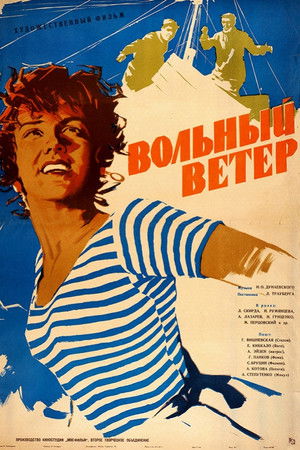
Out of unlikely circumstances an underground ticket vending girl and a mail pilot fall in love.
Kálmán Imre's beloved operetta comes to the screen in this comedy of music, marriage and class set in Budapest and Vienna before the outbreak of the First World War, recorded at the Budapest Opera in 1963.
Země úsměvů
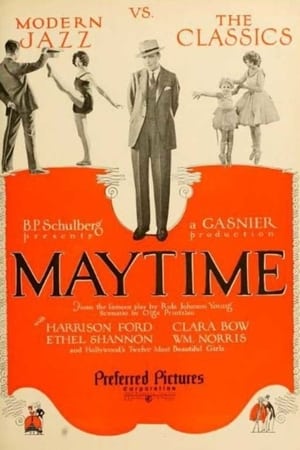
Ottilie Van Zandt is forced to wed her cousin, despite her love for Richard Wayne, the gardener's son. Richard leaves, vowing to return a wealthy man and eligible suitor for her. He returns to find she has already married and, in turn, marries another girl on impulse. Two generations later, the grandchildren of Ottilie and Richard, who both have inherited their names as well, meet and develop a close friendship that culminates in the romance that their grandparents began but could not consummate years before.