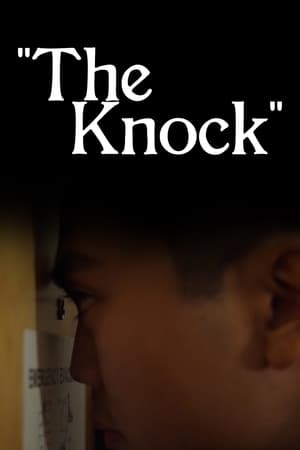
Thirteen-year-old Mila Malinov wakes up alone in the back of a cab. Arriving at the densely packed apartment block of zone 21, she makes her way to her room as the watchful eye of the global government hovers above in the form of monitor drones. Across the courtyard, another set of eyes watches her, a protective Mother. Her room is small, cubed, and very simplistic. In her ear, a voice keeps her company. Her father, Darko Malinov checks in. He speaks to her through an earpiece making sure she’s okay. The next day, Mila visits the local bartering station that’s at the end of the long alley that hugs her apartment block. Currency in this world has resorted back to bartering, swapping items for other items. Mila finds a group of interested buyers and swaps a capacitor for some food, all while her father guides her. That night, she shares a meal with her father via voice, wishing that he was there instead. As Mila sleeps, a figure sneaks up to her door making Mila nervous.
Theatre students André and Gabriel drum up support for resistance against the dismantling of culture policies in Brazil.
A documentary of an avant-garde theatre performance, presents an orgiastic rite of sex, degradation, and bloody sacrifice, performed by Zero-Jigen.
In 1967, de Andrade was invited by the Italian company Olivetti to produce a documentary on the new Brazilian capital city of Brasília. Constructed during the latter half of the 1950s and founded in 1960, the city was part of an effort to populate Brazil’s vast interior region and was to be the embodiment of democratic urban planning, free from the class divisions and inequalities that characterize so many metropolises. Unsurprisingly, Brasília, Contradições de uma Cidade Nova (Brasília, Contradictions of a New City, 1968) revealed Brasília to be utopic only for the wealthy, replicating the same social problems present in every Brazilian city. (Senses of Cinema)
In school, 9-year old Julian gets into trouble for squealing a bully and therefore disturbing class.
A young man tries to get out of an old library, as rock creatures from his childhood book threatens his life.
A 10-minute portrait of modernist poet and de Andrade’s godfather, Manuel Bandeira, is clear in its affection for it subject, though like many New-Waveish films of the time, depicts the modern urban landscape as an ominous and alienating force.
Mike and Sulley are back at Monsters University for a fun-filled weekend with their Oozma Kappa fraternity brothers. The gang is throwing their first party, but no one’s showing up. Luckily for them, Mike and Sulley have come up with a plan to make sure “Party Central” is the most epic party the school has ever seen.
British silent comedy film directed by Thomas Bentley...
Two lovers hit the road for a holiday. They find a car that has been hit, and a dead woman by the accident. Two production assistants try to leave the set, but all the roads seem to hit the same spot, where they find a dead woman that walks.
After receiving a mysterious letter, a wayward son returns to his childhood home to wrestle with a dark family secret.
After the lead of his Band is kicked out he makes a new rival band to compete.
A young guy asks a prostitute to go down on him while singing La Marseillaise.
Fathers and sons. Yaron plays junior league soccer for the Haifa Maccabees. They're having a great season, in part because Yaron lifts the team's spirits by enthusiastically broadcasting their games from a microphone at the bench. When a player is injured and Yaron plays, it's a disaster. But the one person who can't find out is his dad, Danny, whose football exploits as a youth are his favourite memory. Now a stevedore, Danny works when the games are played and thinks Yaron is a star. The Maccabees are set to play a Jerusalem team for the league championship on Saturday - Danny wants the day off and Yaron goes to the coach and begs to play. Can he be a hero to his dad?
Animated short film
Experimental short film