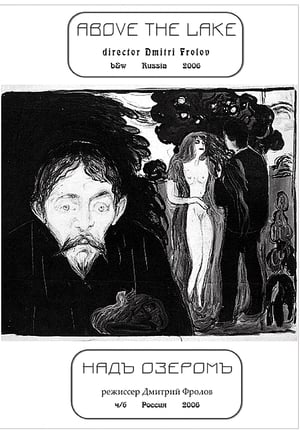
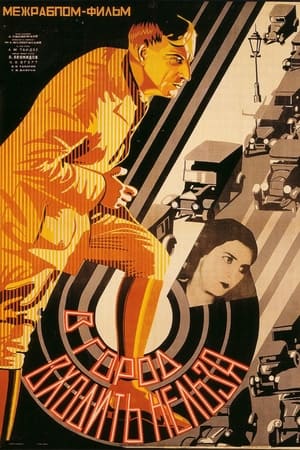
Avant-garde homage to pre-revolution Russian silent movies, and to the poet Aleksandr Blok.
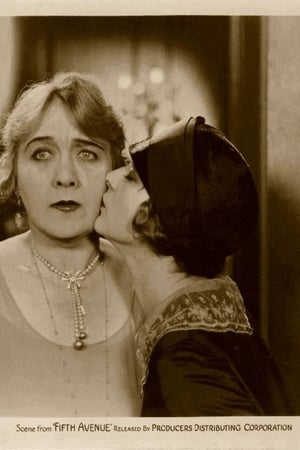
When her cotton crop is burned, Barbara Pelham, a beautiful southern girl, comes to New York to find work as a fashion designer, staying with Mrs. Kemp, a woman she meets on the northbound train. In Mrs. Kemp's house, Barbara encounters Peter Heffner, a wealthy stockbroker, and discovers from him that she has taken up residence in a whorehouse. There is a police raid, but Barbara escapes arrest and returns home. Heffner's son, Neil, goes south to inspect some family property and there meets Barbara, with whom he falls in love. They decide to be married, and she accompanies him to New York, where she meets the elder Heffner for a second time. He denounces her as a whore, but Barbara goes to Mrs. Kemp, who explains the misunderstanding to everyone's satisfaction.
Anita and Marion realize that an abandoned baby they sneaked into an orphanage was kidnapped from a millionaire. For the reward, they proceed to break into the institution at night, dressed as men to beat curfew, to get the kid out again. This film survives only in very fragmentary form.
Aspiring filmmakers Mel Funn, Marty Eggs and Dom Bell go to a financially troubled studio with an idea for a silent movie. In an effort to make the movie more marketable, they attempt to recruit a number of big name stars to appear, while the studio's creditors attempt to thwart them.
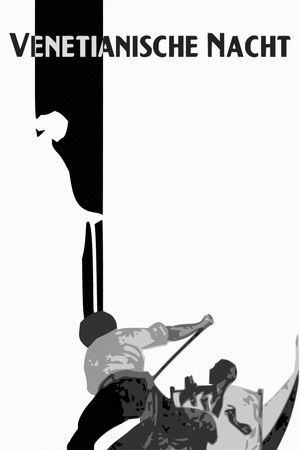
The young Anselmus Aselmeyer fulfilled a long cherished dream: He travels to Venice, the city of his dreams. Once there, the porter Pipistrello directs him immediately to the hotel of his boss, and Anselmus lands in the middle of a wedding party. Mestre Mangiabene, a wealthy oilman, marries the beautiful but completely depleted Marchesina dei Bisognosi. But the secretly loves an officer.
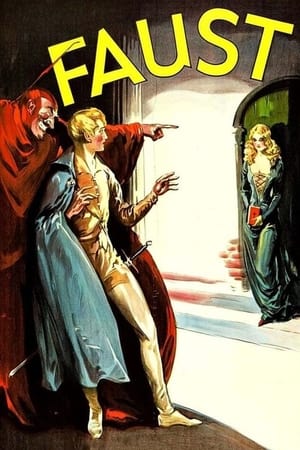
Murnau’s epic adaptation of Goethe’s tragedy stands with Fritz Lang’s Metropolis among the supreme achievements of German silent cinema. Gösta Ekman plays the alchemist who, his faith shaken in a time of plague, is offered the gift of healing and eternal youth… in exchange for his soul.
Ninon, a veteran stage artist, resides in her villa in Provence, surrounded by admirers as veteran or more than her. A film crew arrives at the gardens of the town to film some scenes in that beautiful spot. The director and screenwriter of the team will notice the charms of Ninon.
Denise lives with her grandparents on a farm and secretly meets Robert. When she tells her grandparents that she wants to marry Robert, they refuse outright, so the two lovers will have no choice but to elope and marry in the nearby town. On the eve of having a child, war breaks out and Robert is mobilized.
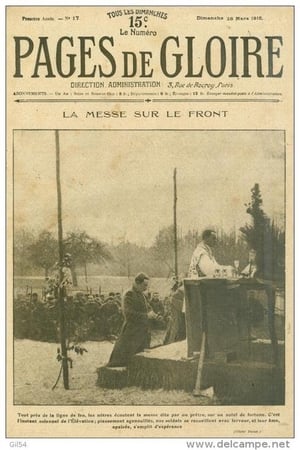
In times of World War I, a group of boisterous young ladies occurs to them that they could help the boys of the front writing letters to them and, thus, becoming their godmothers of war. Madeleine writes to the soldier Jacques Bertin, but, out of prudence, instead of giving her true identity, she impersonates her late grandmother. When the soldier comes on leave and wants to see her, the mistake will bring humorous consequences.
The opening shows a colored nursemaid in the park with baby carriage, and seated on a bench receives the attention of several smart colored men who admire her greatly and endeavor to make her acquaintance. But the dusky belle is coy and declines to make the acquaintance of any of them, until one more fortunate than the rest is invited to a seat on the bench with her, and a most pronounced flirtation takes place between the lady and her beau. (Selig catalog)
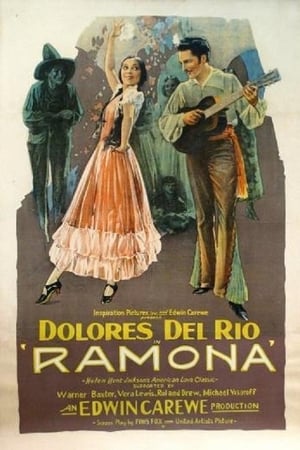
Based on the Helen Hunt Jackson novel of 1884 about a young woman of partial Native American descent, who experiences love and loss in 1800s California.
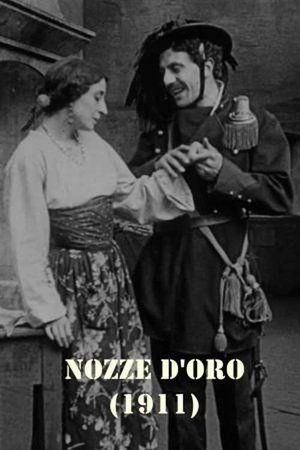
A grandfather recalls how he and his wife met and fell in love during the Second Italian War of Independence.
A young countess, Nera Keglević, is fighting against believing in witches by using witchcraft. But the problem is that local judge Krajačić is accusing Nera to be witch for revenge.
Two insects fight over the hand of a beautiful lady.
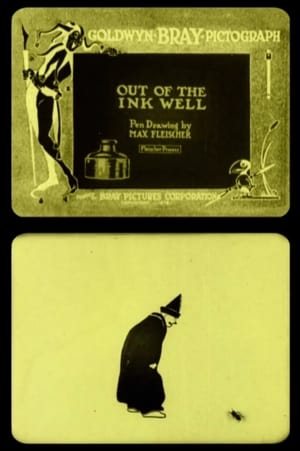
Max Fleischer draws the upper and lower halves of the Clown's body, which dance around separately before coming together. Max interacts with his creation before ultimately washing the Clown off the page with water.
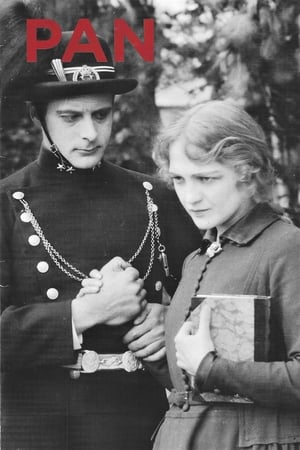
Lieutenant Thomas Glahn, a hunter and ex-military man, lives alone in a forest hut with his faithful dog. Meeting Edvarda, the daughter of a merchant, they feel strongly attracted to each other, but neither understands the other's love.
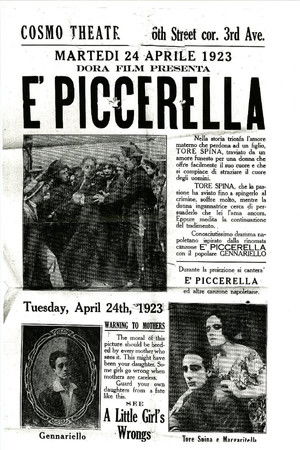
In order to conquer Margaretella with expensive presents, a young man called Tore steals his mother's jewels but Margaretella seems to prefer Carluccio who challenges Tore to a duel and wounds him. Forgiven by his mother just before she dies, Tore takes revenge by killing Margaretella, but even in prison he can't stop thinking to his victim.
Yotsuya Kaidan
A petty thief who robs the very rich at speakeasies, and gets away with it because the rich don't want the bad publicity, is finally caught and sent to Sing Sing. After good behavior, he gets an emergency permission for a return home, so that he may save his daughter from the hands of her disreputable mother. However, he must first promise not to kill his wife while he is out of prison.
Directed by Yuri Zhelyabuzhsky.