As a baby, Patsy Smith is kidnapped by her father following a bitter quarrel with her mother. After her father dies at sea, a seafarer named Captain Barnaby places Patsy at Mrs. Duff's boardinghouse. She grows up working as a domestic drudge, deeply unhappy with her life. Inspired by Captain Barnaby's storytelling about Aladdin, Patsy sets out to find an old Oriental lamp that once belonged to her father. She learns that Mrs. Duff sold it to a junk peddler and goes to buy it back. Patsy rubs the lamp, unleashing a Genie. The Genie helps Patsy by providing her with fine clothing, exposing her abusive boardinghouse mistress, and eventually reuniting Patsy with her long-lost mother. With her life transformed, Patsy also finds romance with Harry, a young man who resides at the boardinghouse.
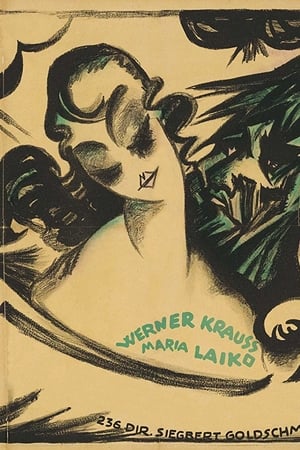
This mostly lost film is often confused with director Paul Wegener third and readily available interpretation of the legend; Der Golem, wie er in die Welt kam (1920). In this version of the golem legend, the golem, a clay statue brought to life by Rabbi Loew in 16th century Prague to save the Jews from the ongoing brutal persecution by the city's rulers, is found in the rubble of an old synagogue in the 20th century. Brought to life by an antique dealer, the golem is used as a menial servant. Eventually falling in love with the dealer's wife, it goes on a murderous rampage when its love for her goes unanswered.
Hajj, a rascally beggar on the periphery of the court of Baghdad, schemes to marry his daughter to royalty and to win the heart of the queen of the castle himself. This film is believed lost.
A period fantasy that told of the ageing king of Kamarpur, and his two rival queens, Navbahar and Dilbahar, and their rivalry when a fakir predicts that Navbahar will bear the king's heir. Dilbahar unsuccessfully tries to seduce the army chief Adil (Vithal) and vengefully destroys his family, leaving his daughter Alam Ara (Zubeida) to be raised by nomads. Eventually, Alam Ara's nomad friends invade the palace, expose Dilbahar's schemes, release Adil from the dungeon and she marries the prince of the realm.
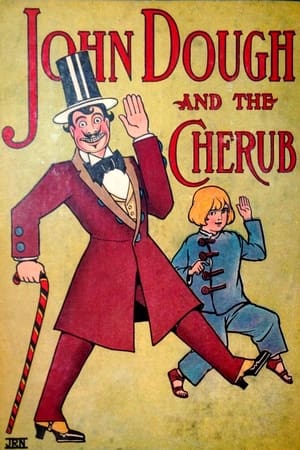
John Dough gives his assistance in the celebration of the Fourth. No end of trouble results from the invasion of his peaceful rest by the much-despised Miffkits. Then comes the cherub, who introduces Dough to his animal friends, incidentally secures supplies. He then visits the fairies' garden and later interviews the Princess Ozma, who makes a prophecy: "The throne of Lo-Hi shall vacant be until the coming by air or sea of an oven baked man and a Cherub wee." Accordingly John Dough drops into the Land of Oz and meets the Cherub.
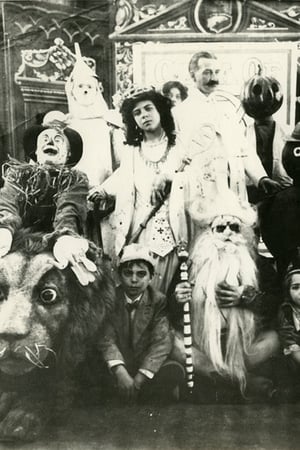
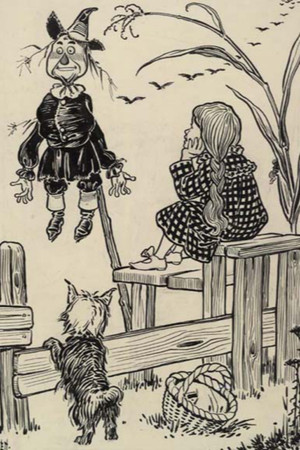
Dorothy and the Scarecrow are now in the Emerald City. They have become friendly with the Wizard, and together with the woodman, the cowardly lion, and several new creations equally delightful, they journey through Oz -- the earthquake -- and into the glass city. The Scarecrow is elated to think he is going to get his brains at last and be like other men are; the Tin-Woodman is bent upon getting a heart, and the cowardly lion pleads with the great Oz for courage. All these are granted by his Highness. Dorothy picks the princess. -- The Dangerous Mangaboos. -- Into the black pit, and out again. We then see Jim, the cab horse, and myriads of pleasant surprises that hold and fascinate.
May Night, or the Drowned Maiden
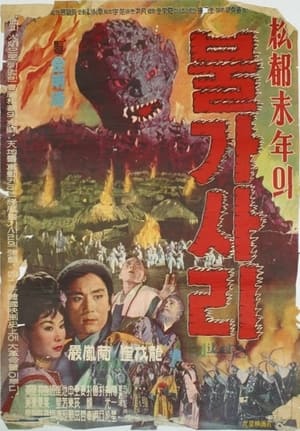
During the later years of Goryeo Dynasty (918-1392), a talented martial artist is murdered. His resentment makes him born again as Bulgasari, a monster that grinds and eats up iron. The monster takes his revenge on the traitors responsible for his death.
The movie takes place between Seasons 1 and 2. The Green Forest Village hosts a festival in celebration of the 1000th anniversary of the large tree growing in the middle of the village. While Curucuru and his friends are helping in the festival, they learned that tree's vitality is due to a legendary item call the Pingya, which gives it Eternal Love and Life. But in the midst of the festival, a bunch of Pirate Hyenas came to the village and stole the legendary item, causing the tree to wilt. Now it's up to Curucuru and his pals to get it back from the pirates, before things can go worse. But amid-st the actual troubles they face, the kids also encounter a strange Tiger child, who is connected to the incident.
An abandoned baby is saved by a river god. Now aged 20, she yearns to see the world outside the water.
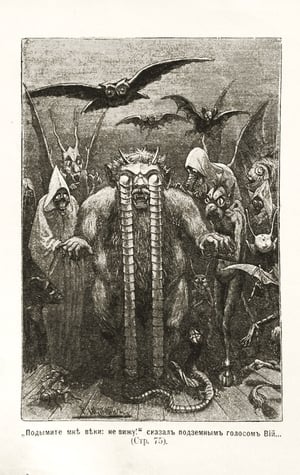
Based on a the horror novella of the same name. First Russian horror film.
L. Frank Baum would appear in a white suit and present his live actors, slide shows and films as a live travelogue presentation of his popular fantasies. Highlights include Dorothy being swept to Oz in various ways, such as with back-projection tornadoes and storms in a chicken coop. Lack of financial backing forced the show to fold after appearing in only two cities, despite being a critical and commercial success. This film is lost.
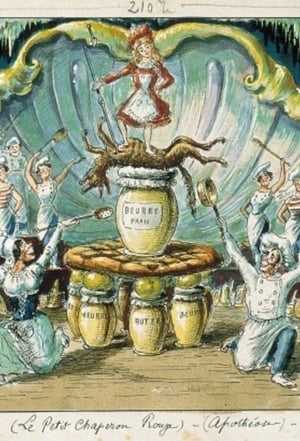
In a bakery in the French countryside, Father Latourte, his wife, and their staff are busy with customers, pastries, and baked goods of all kinds. The Latourtes' young daughter, called Red Riding Hood, reads by the firelight until her parents leave for a moment. She starts to play boisterously, getting the bakery staff mixed up in hijinks and pratfalls. Her father and mother return, chagrined by her escapades, and she is told to take a pot of butter and a galette to her grandmother's cottage. Red Riding Hood travels through the forest on her errand, meeting a wolf, who finds out where she is going. Encountering her friends from the village school, she happily pauses her journey to play and dance with them. Meanwhile, at a windmill near the cottage, the miller Sans-Souci has comic trouble with his mule.
The Sorrows of Satan is a 1917 British silent fantasy film directed by Alexander Butler and starring Gladys Cooper, Owen Nares and Cecil Humphreys. Made at Isleworth Studios, and based on the novel of the same name, the plot involves a poverty-stricken author so depressed that he agrees to sell his soul to the Devil.
The hero Theseus with the help of his beloved, slays the Minotaur, a half-man, half-bull monster that demands a sacrifice of seven youths and seven maidens from Athens and Crete.
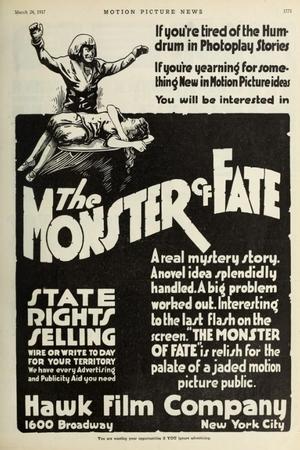
A young bride takes a drug that ends her pregnancy, and her husband divorces her. In the future, she is visited by the ghost of her "Child-That-Might-Have-Been" and taken to see her ex-husband (happily married with children), a land where the children of the future wait to be born, and her future damnation to hell.
A brief fantasy tale involving a strange fairy who can produce and deliver babies coming out of cabbages. Note: This is a LOST film; the existing film of the same name is the remake from 1900.
A boy, who has been reading the adventures of Sinbad, falls asleep and, in his dreams, goes through Sinbad's experiences. A silent version of the Sinbad story, with a cast solely made up of children.
Pán
This is a straight version of the old fairy tale, with John Carradine as the Emperor. It was filmed in South Florida, with exteriors in Coral Gables and Miami's Vizcaya. The hero bests the villainous efforts of two scheming tailors who convince the vain king that their clothes are so marvelous that only smart people can see them.