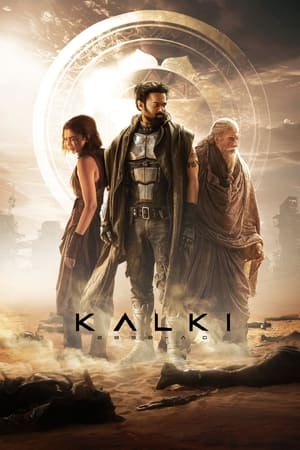
In the year 2898 AD, around 6000 years after Kurukshetra war, Ashwatthama gears up for his final battle of redemption at the sign of hope in a dystopian world and Bhairava, a wisecracking and self-interested bounty hunter, tired of the perilous life becomes the hurdle in the process.
Shri Krishna Leela is a 1971 Hindi religious film directed by Homi Wadia. It was produced by his Basant Pictures banner. Written by B. M. Vyas, the story and dialogue were by S. N. Tripathi.
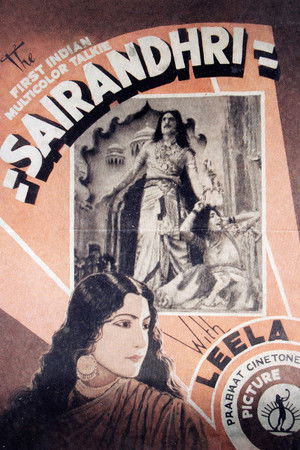
Set during the Pandavas’ exile in the Mahabharata, the story focuses on Draupadi living incognito as a maid-in-waiting named Sairandhari in King Virata’s palace. The arrogant Keechak becomes obsessed with her, prompting Bhima (disguised as a cook) to intervene and kill Keechak to protect her honor.
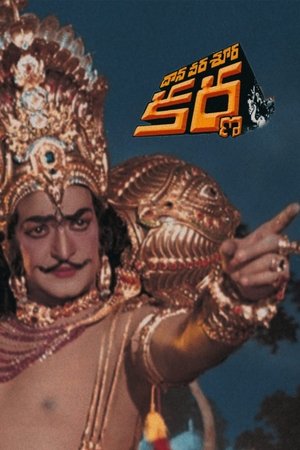
A retelling of Mahabharata through the perspectives of KARNA and DURYODHANA. The film uses dialogue and poetry written in Classical Telugu/ Grandhika Basha.
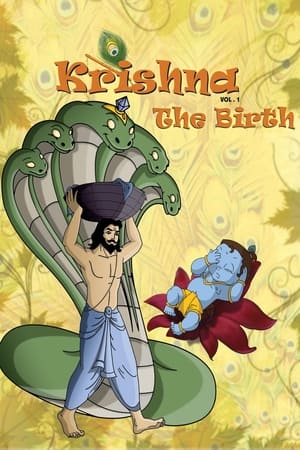
Krishna - The Birth is the enchanting tale of the miraculous birth of Lord Vishnu in the form of baby Krishna to Vasudev and Devaki. The story is set in an era when the human race was overburdened by the demonic forces of different kings posing themselves as the royal order.
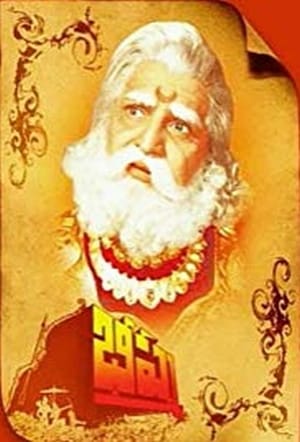
Bhishma is a 1962 Indian Telugu-language Hindu Epic film, based on the life of Bhishma from the epic Mahabharata.
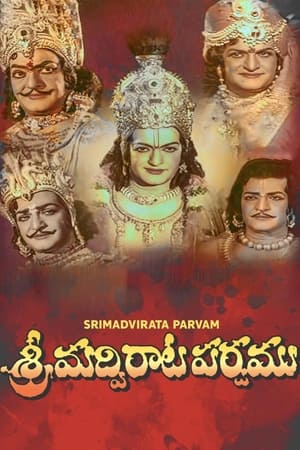
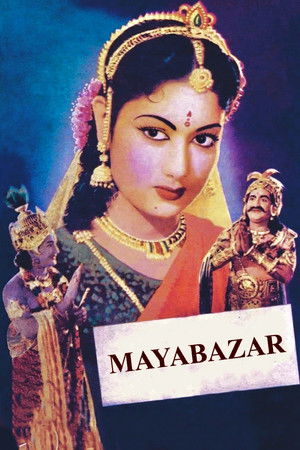
It is an Epic story based on the book Virata Parva of Mahabharatha. After 12 years of Vanavasam, the Pandavas spend their 13th year of exile the Agnaadhavasam in an incognito state with disguised identities at the court of Virata. Follows how they end their exile & the marriage celebration of Uttara and Abhimanyu.
Balarama promises Subhadra that he'll marry his daughter to her son. But when the Pandavas lose their kingdom to the Kauravas, Balarama breaks his promise.
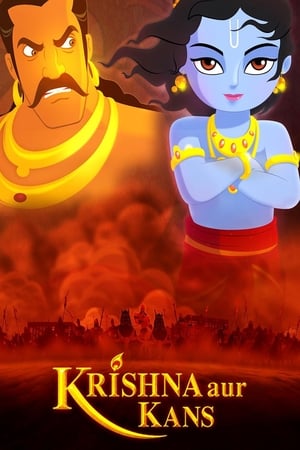
Hailed as India's first stereoscopic animated film, 'Krishna Aur Kans' is an exciting narrative full of action and drama. The movie chronicles Krishna's early years -- from his birth as the nemesis of his tyrannical uncle Kans.
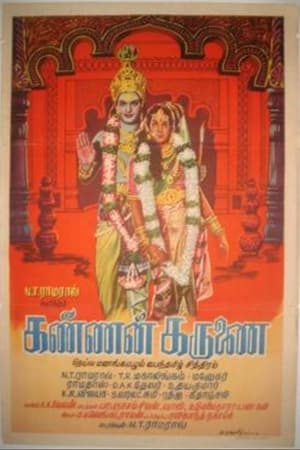
Kannan Karunai is a 1971 remake Indian Tamil-language Hindu Epic film directed by N. T. Rama Rao.
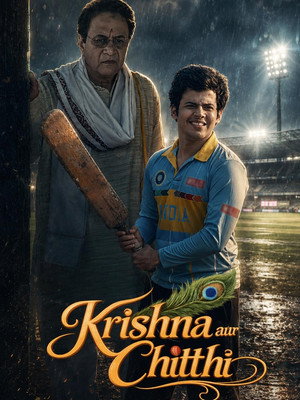
What happens when the "God of Cricket" and the Lord of the Universe reside under the same roof? Krishna Aur Chitthi is a soul-stirring family drama that explores the thin line between fandom and faith, proving that when an intention is pure, every prayer, whether addressed to Vaikuntha or Wankhede, reaches the same destination
In 2094, a ruthless dictator controls India with an iron fist. Trapped in a militarised zone, a group of revolutionaries must escape before the crushing weight of despair destroys them from within.
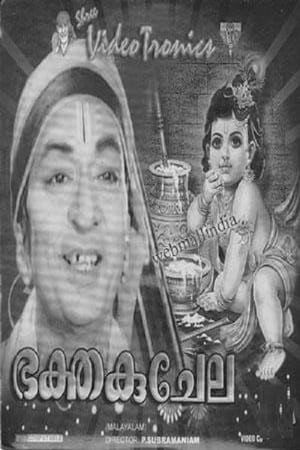
The film told, apart from the main story of the friendship between Krishna and Kuchela, a few sequences from the Bhagavatha
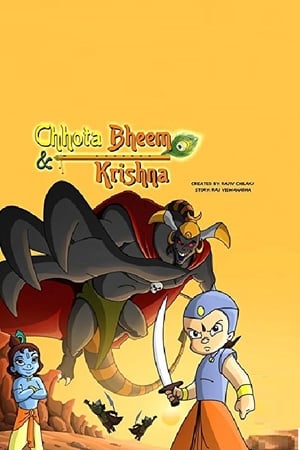
About 500 years ago, the five kingdoms around Dholakpur joined together to end Kirmada`s rule. Now a mysterious force has brought him back from the dead. Don`t miss Bheem beat Kirmada & save the kingdom of Dholakpur once again!
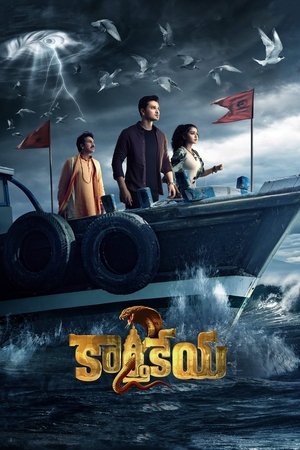
Before the Kalyug begins, Lord Krishna hands over an anklet that holds the answer to all of world’s miseries. Years later a doctor finds himself in the thick of things when the pursuit for the anklet carries on. A doctor with a curious mind, Karthikeya, aka Karthik, believes in pursuing the truth. The quest leads Karthik to discover the power of the ancient Indian belief system and the essence of Krishna.
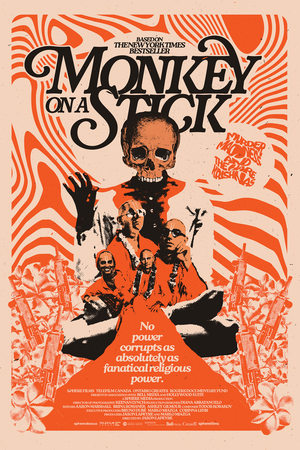
The story of the Hare Krishna movement in the West, contrasting the spiritual exploration of its devotees with the leadership's systemic, long-term cover-up of criminality, moral decay and abuse of power.
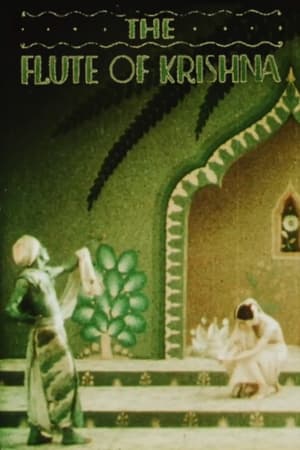
Produced by the Eastman Kodak Company and shot in a then-experimental process, two-color Kodachrome, Martha Graham's dance "The Flute of Krishna" is performed by students from the Eastman School of Music. It's likely (but unconfirmed) that the film was directed by an uncredited Rouben Mamoulian.
Frank Sinatra: In Concert at the Royal Festival Hall was an CBS musical television special starring Frank Sinatra broadcast on February 4, 1971, of a concert given by Sinatra at London's Royal Festival Hall on November 16, 1970. The special was directed by Bill Miller, and produced by Harold Davison. Sinatra was introduced on stage by Grace Kelly. Kelly had starred alongside Sinatra in the 1956 film High Society, the last film she made before her marriage to Rainier III, Prince of Monaco. Sinatra had been follicularly challenged for many years, hence all the hats in publicity stills, album covers etc. TV directors were forbidden to photograph him from the back because of this. However, at this concert, Sinatra had completed a very successful hair transplant and deliberately turned his back on the main audience a couple of times to acknowledge the audience sitting backstage, along with running his hand over the back of his head to draw attention to his new coiffure.
Filmed in front of a live audience on a soundstage in Hollywood, but with the feel of an intimate concert, this "comeback" special proves the Chairman hadn't lost a step.
Charged with the electricity of a heavyweight prizefight, " The Main Event " was filmed live at Madison Square Garden, a venue usually reserved for sporting events and rock 'n' roll concerts. Sinatrra dazzies the crowd with contemporay numbers as " You are the Sunshine of My Life ", " Let Me Try Again " and delivers the knockout blow with signature tunes " My Kind of Town " and " My Way ".