Opera in three acts, a prologue and an epilogue, by Jacques Offenbach (1819-1880), with a libretto in French by Jules Barbier (1825-1901), based on a work that Barbier himself and Michel Carré (1821-1872) had written based on stories by E.T.A. Hoffmann (1776-1822). Approximate duration: 2 h 45 min Recommended for those over 15 years old. The young poet Hoffmann, accompanied by Nicklausse, his alter ego and confidant, is in a tavern next to the theatre where Mozart's Don Giovanni is being performed. During the opera's intermission, some diners arrive at the bar who, upon seeing the poet, encourage him to sing and tell them the story of his famous love affairs. Hoffmann finally gives in and shares with them the stories of Olympia, Antonia and Giulietta. They, absorbed in the poet's stories, remain in the tavern, forgetting about the opera performance.
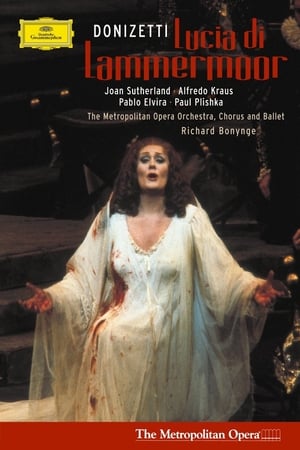
Lucia di Lammermoor, dramma tragico in three acts by Gaetano Donizetti (1797 - 1848). Libretto by Salvadore Cammarano, after Walter Scott's 'The Bride of Lammermoor'. First performance in Naples, Teatro San Carlo, 26 September 1835 Recording: December 23 2015 - Gran Teatre del Liceu | Barcelona Director: Fabrice Castanier Conductor: Marco Armiliato Orchestra & Chorus of the Gran Teatre del Liceu
Opera at La Scala Milan
Pyotr Ilyich Tchaikovsky's 1879 opera, adapted from Alexander Pushkin's novel. Performed by the Finnish National Opera. Filmed on 20 December 2024 and streamed by Operavision.
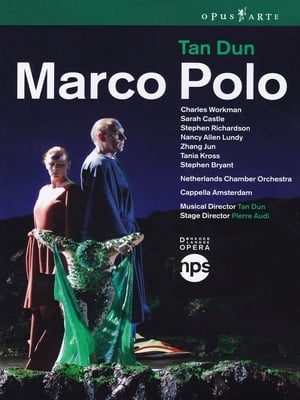
Tan Dun portrays the Venetian explorer's travels to the Far East as a journey of both inner and physical discovery, a voyage depicting spiritual experiences as well as a geographical expedition. Pierre Audi's mythical staging and Jean Kalman's fabulous set design complement the composer's own musical direction, forging the dazzlingly versatile soloists, the Netherlands Chamber Orchestra and Cappella Amsterdam to a stunning symbiosis of elements across time and space, a true testimony to cultures intertwined in globalization.
Part of the celebrations for the 150th anniversary of the death of the Pesaro composer, Il Barbiere di Siviglia staged in Lugano, is the result of a virtuous collaboration that involved Swiss Radio and Television, LuganoInScena and LuganoMusica. The musical part was entrusted to Maestro Diego Fasolis who, together with his Barocchisti ensemble, was involved in the project from the very beginning. Internationally renowned soloists such as Edgardo Rocha (who embodies the Count of Almaviva), Riccardo Novaro (Bartolo), Lucia Cirillo (Rosina), Giorgio Caoduro (Figaro), Ugo Guagliardo (Basilio) and Alessandra Palomba (Berta) performed on stage.
Drama lyrique in five acts, after the play by Maruice Maeterlink
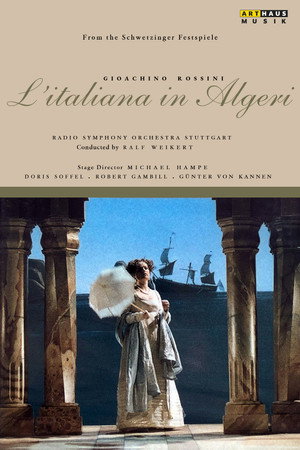
Italka v Alžíru
a film opera; music by: Gaetano Donizetti (Philharmonic Orchestra of Rome) Directed by Giuseppe Zedda.
Leoš Janáček: Osud
When Sir John Falstaff decides that he wants to have a little fun he writes two letters to a pair of Window wives: Mistress Ford and Mistress Page. When they put their heads together and compare missives, they plan a practical joke or two to teach the knight a lesson. But Mistress Ford's husband is a very jealous man and is pumping Falstaff for information of the affair. Meanwhile the Pages' daughter Anne is besieged by suitors.
Gilbert and Sullivan's operetta performed at the Royal Albert Hall.
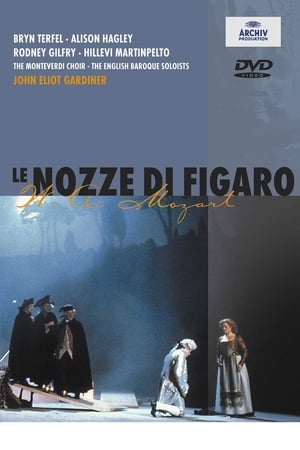
An anthology of four abbreviated operas: "William Tell" by Rossini, "The Marriage of Figaro" by Mozart, "Don Pasquale" by Donizetti, and "Carmen" by Bizet. Filmed in Italy with major opera stars, and accompanied by English narration.
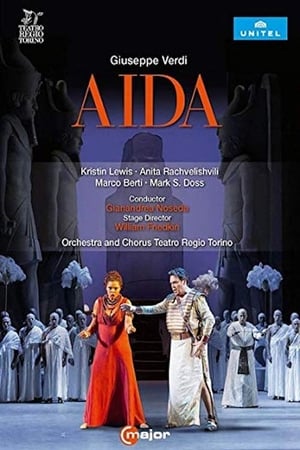
Giuseppe Verdi: Aida
"The Queen of Spades" is considered Tchaikovsky's best creation by the world-famous conductor, People's Artist of the USSR Vladimir Ivanovich Fedoseev. He took over the leadership of the musical process of recreating the production at Helikon Opera. The original reading, modern stage language, love for Tchaikovsky's music, which became the hallmarks of Helikon's "Queen of Spades," are preserved in the new version. To this were added the thoughtful gaze of maestro Fedoseev, the stunning stage capabilities of the new hall and the artistic talent of the Helikon troupe.
Rigoletto is an opera in three acts by Giuseppe Verdi. The Italian libretto was written by Francesco Maria Piave based on the play Le roi s'amuse by Victor Hugo. Despite serious initial problems with the Austrian censors who had control over northern Italian theatres at the time, the opera had a triumphant premiere at La Fenice in Venice on 11 March 1851. This 1994 recording, directed by Riccardo Muti, stars Roberto Alagna, Renato Bruson and Andrea Rost.
Dvořák's "Rusalka" in a production by David Pountney at the English National Opera in 1986. Mark Elder conducts the orchestra, accompanied by the English National Opera Chorus in English.
Der Rosenkavalier - Bayerische Staatsoper
This filmed version of Strauss' shocker features Teresa Stratas as opera's most depraved teenager, and she's as perfect a Salome as one would ever hope to see or hear. Stratas inhabits the role, exploring the character's sensuousness as she vainly woos Jochanaan, her venomous hatred when she's rejected, the crazed look in her eyes when she demands his head--on a silver platter, no less. Such complete identification with a role, especially of a character so malignant helps make this 1974 Salome stand out among the many fine DVDs of the opera.
A lonely mother and her son go to the opera where a performance of Cherubini’s opera Medea is given. It is the mother’s birthday and she wanted to surprise her son by inviting him to the opera. But, the son’s plan were different and he is quite upset about it. His mother tries to break the silent barrier behind which he hides. A semblance of discussion begins, not without humour. Tension is present but, as the performance goes on, both find themselves astounded, captured, alone in the opera house.