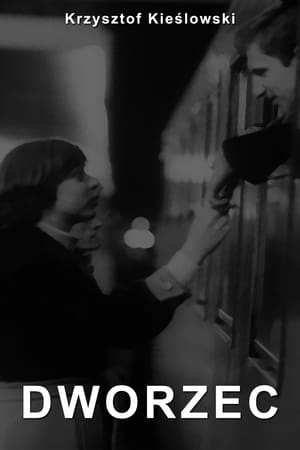
Warsaw's Central Railway Station. 'Someone has fallen asleep, someone's waiting for somebody else. Maybe they'll come, maybe they won't. The film is about people looking for something.
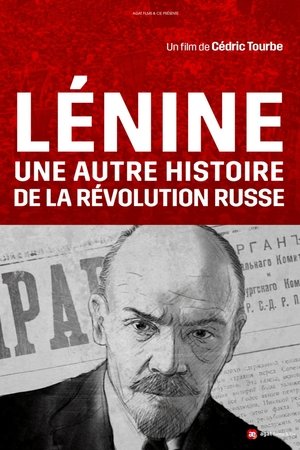
Vladimir Ilyich Ulyanov, better known as Lenin, is remembered as the instigator of the October Revolution of 1917 and, therefore, as one of the men who changed the shape of the world at that time and forever, but perhaps the actual events happened in a way different from that narrated in the history books…
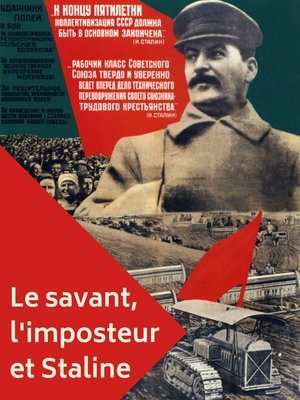
The documentary tells two very different human fates in the 1920s Soviet Union. Nikolai Vavilov was a botanical genius, Trofim Lyssenko was an agronomist who made great promises and fake inventions. Each of them tried to solve the country's nutritional problem, but only one succeeded.
During World War II, the propaganda engine of the U.S. government made a pivotal decision with unforeseeable results: they tapped John Huston to shoot war documentaries with an expressly patriotic spin. Few could guess the degree to which Huston's documentaries would depict the sheer brutality and horror of modern warfare - particularly his Let There Be Light and The Battle of San Pietro. The films served (by default) as cinematic protests, even as they graced new and brilliant heights within the scope of American documentary. (Indeed, Light was banned by the government for 35 years). Midge Mackenzie's 1998 documentary John Huston: War Stories explores this little known facet of Huston's career, intercutting clips from the various documentaries with a Huston interview shot just prior to his death.
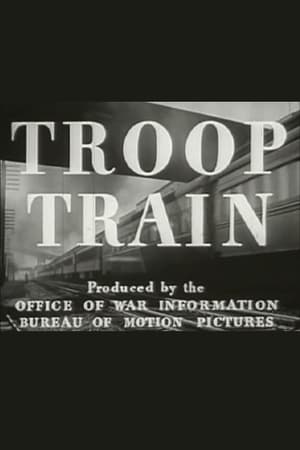
Government film on the use of railroads in moving troops to support the war efort.
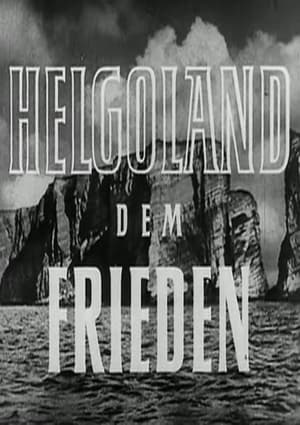
Under the sign of the swastika, it was, amongst other things, turned into a naval base, it got heavily destroyed in two waves of attack in April of 1945 by British bombers. After the war, Heligoland was made available as bombing training ground for the English army by the West-German government. Seven young people occupied the isle and began to repair the emergency shelter for sailors who got in danger. This and further major actions eventually ended the bombing exercises. Back then, the watchword was: “Heligoland to the Germans! “ – “Heligoland for peace!”
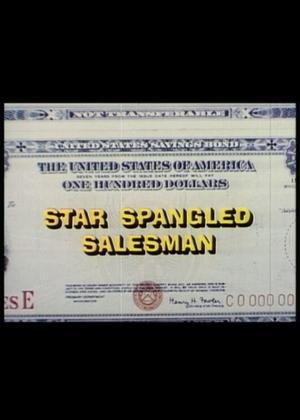
A collection of television celebrities pitch United States Savings bonds.
Socialist industry manufactures only those products absolutely required by workers, citizens purchase only those items essential for their everyday lives – claims the film, thereby differentiating the operational principles of domestic industry and trade from those of capitalist countries.
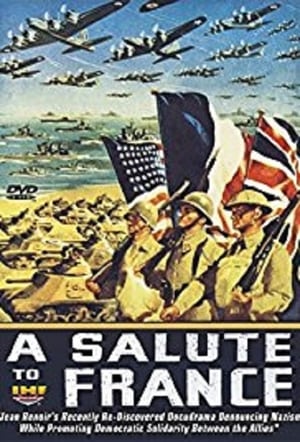
Commissioned to prepare Allied troops for the liberation of Europe, the film uses a blend of staged narratives and historical footage to promote solidarity and dispel the myth that France was a nation of willing collaborators.
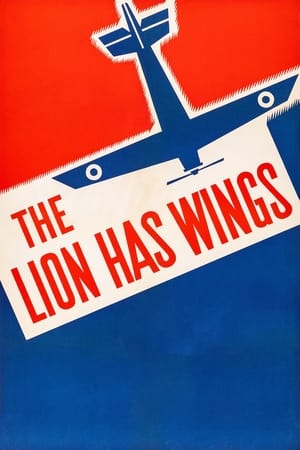
This early, influential propaganda film blends documentary and studio footage to show the valiant efforts of the Royal Air Force to defend the British people against the Nazis.
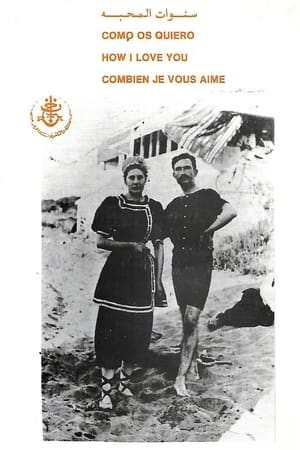
Beginning with a promotional reel encouraging farming investments in Algeria and ending with the secret 1950s nuclear tests that France conducted using Algerian prisoners, How Much I Love You appropriates archival footage produced by the French colonial powers in Algeria. Meddour’s approach is disarmingly simple and yet awe-inspiring—his caustic undoing of colonial discourse is underscored by a liberating release of humor.
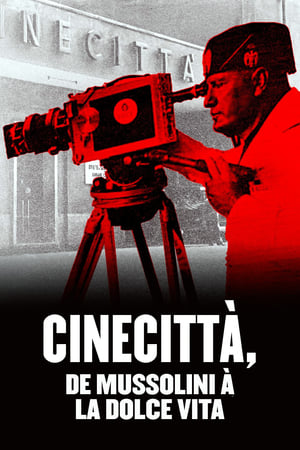
Cinecitta is today known as the center of the Italian film industry. But there is a dark past. The film city was solemnly inaugurated in 1937 by Mussolini. Here, propaganda films would be produced to strengthen the dictator's position.
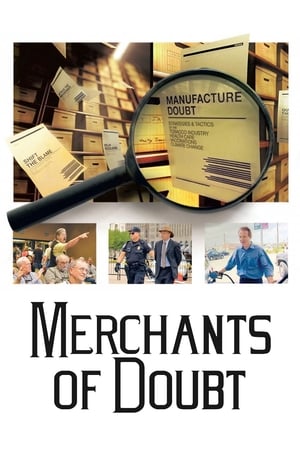
Spin doctors spread misinformation and confusion among American citizens to delay progress on such important issues as global climate change.
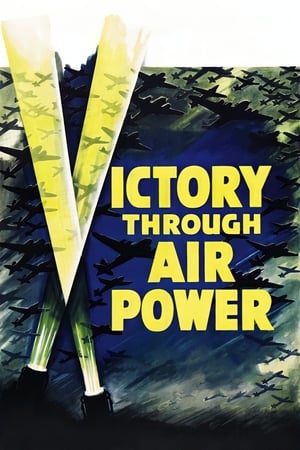
Based on the book by Major Alexander de Seversky's about his theories of the practical uses of long range strategic bombing. Using a combination of animation humorously telling about the development of air warfare, the film shows de Seversky illustrating his ideas of how air power could win World War II for the Allies.
A film about the noted American linguist/political dissident and his warning about corporate media's role in modern propaganda.
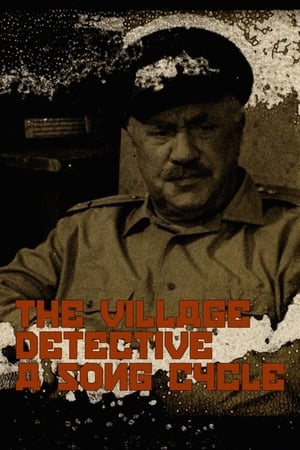
Atlantic Ocean, off the coast of Iceland, July 9, 2016. The surprising discovery of a canister —containing four reels of The Village Detective (Деревенский детектив), a 1969 Soviet film—, caught in the nets of an Icelandic trawler, is the first step in a fascinating journey through the artistic life of film and stage actor Mikhail Ivanovich Zharov (1899-1981), icon and star of an entire era of Russian cinema.
An early experimental film by Toshio Matsumoto. Produced as part of the student riots in Japan at the start of the 1960s, Matsumoto uses collage, archival footage, and impassioned narration to create an expressive, visceral criticism of the US-Japan Security Treaty.
La Peste rouge
When this propaganda film begins the narrator states that before the beginning of World War II, Japan was the only one of thirty-five nations to refuse to sign an anti-narcotics treaty and alleges that this was because the country's leaders planned to use drugs as a weapon of war.
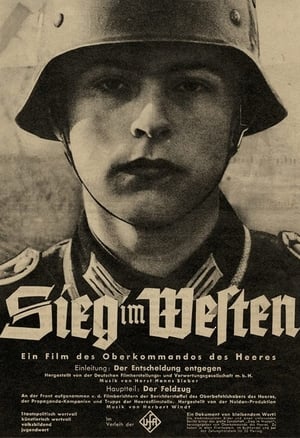
A Nazi propaganda film about the lead up to World War II and Germany's success on the Western Front. Utilizes newsreel footage of battles and fell into disfavour with propaganda minister Goebbels because of it's lack of emphasis on Adolf Hitler.