When the Confederacy can no longer finance massive armies, Wade Hampton III, using his own money started, financed, and supplied his own infantry, cavalry, and artillery to help fight the war.
It is El Salvador, 1989, three years before the end of a brutal civil war that took 75,000 lives. Maria Serrano, wife, mother, and guerrilla leader is on the front lines of the battle for her people and her country. With unprecedented access to FMLN guerrilla camps, the filmmakers dramatically chronicle Maria's daily life in the war.
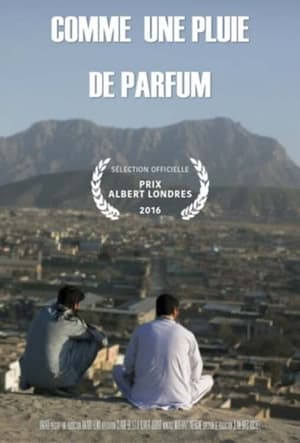
Five Afghan men try to reach Europe. The filmmakers followed them for over six months, filming their clandestine journey and chronicling a migration combining fantasy and stark reality, setbacks and achievements, in the midst of the dangers of such trips.
Annie Goldson and Kay Ellmers’ doco, expanded from the film they made for Maori Television, takes a timely look at New Zealand’s military and media, notably journalist Jon Stephenson, in Afghanistan.
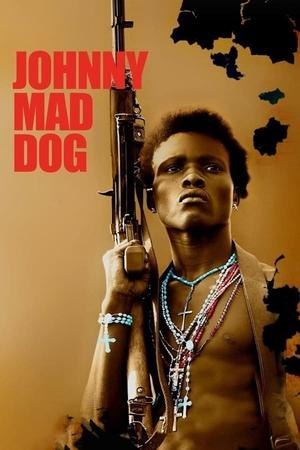
A cast of unknown performers are used in this drama about child soldiers fighting a war in an unnamed African country.
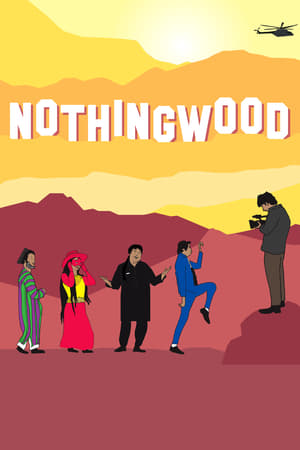
French documentarist Sonia Kronlund follows actor and director Salim Shaheen, an Afghan movie star who produced more than 110 low-budget movies in a country devastated by war.
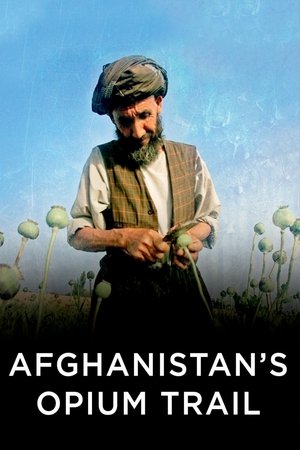
Over 90% of the world's opium now comes from Afghanistan. In this shocking new film, we ride the drugs caravan, from cultivation, to process, to market. On route, we lift the curtain on the hidden world of the drug barons; learn how to process heroin in the crudest of laboratories and encounter deadly gunfights on the Iranian border.
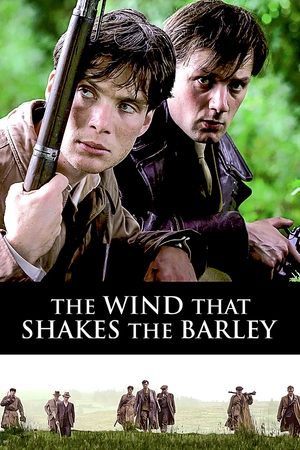
In 1920s Ireland young doctor Damien O'Donovan prepares to depart for a new job in a London hospital. As he says his goodbyes at a friend's farm, British Black and Tans arrive, and a young man is killed. Damien joins his brother Teddy in the Irish Republican Army, but political events are soon set in motion that tear the brothers apart.
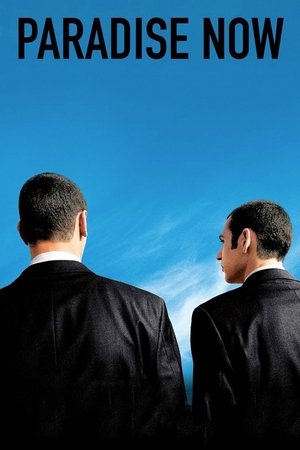
Two childhood friends are recruited for a suicide bombing in Tel Aviv
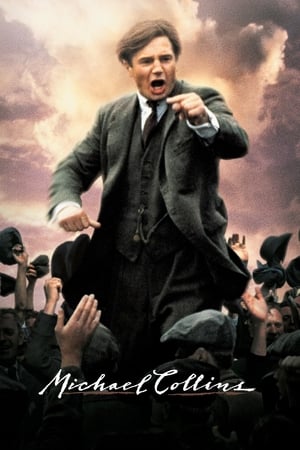
Michael Collins plays a crucial role in the establishment of the Irish Free State in the 1920s, but becomes vilified by those hoping to create a completely independent Irish republic.
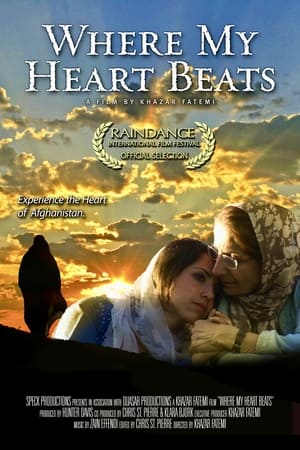
In 1989, Swedish journalist, Khazar Fatemi narrowly fled the war torn country of Afghanistan with her life. Twenty years later, the former refugee returned to the place that has always remained in her heart. Where My Heart Beats follows Khazar's dangerous, painful, and inspirational journey back home to reconnect with the amazing people of this broken nation.
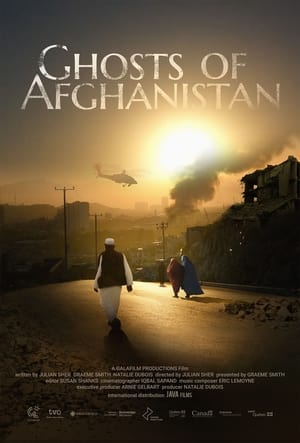
As a young and idealistic war correspondent, Graeme Smith followed the troops into battle in Afghanistan. Now he returns to a place that gave him nightmares to see if there is hope for peace. Smith revisits old friends and acquaintances and sees the deep divisions in the country.
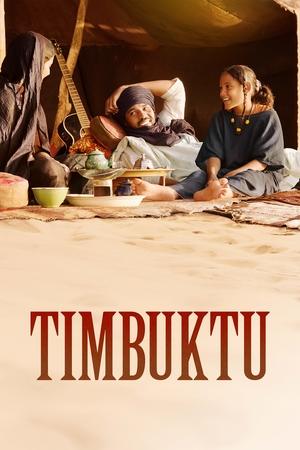
Just outside of the Malian city of Timbuktu, now occupied by militant Islamic rebels who impose the Sharia on civilians and inconvenience their daily life, a cattleman kills a fisherman.
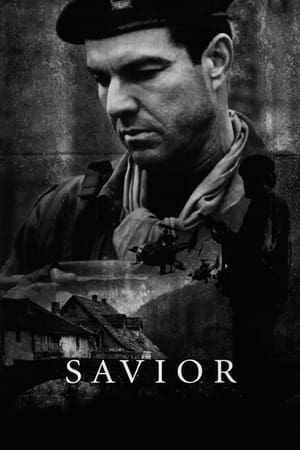
A hardened mercenary in the Foreign Legion begins to find his own humanity when confronted with atrocities during the fighting in Bosnia.
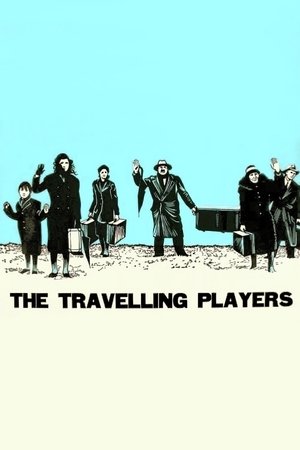
A traveling theatre troupe tours the Greek countryside from 1939 to the early 1950s, staging “Golfo the Shepherdess”. As the years pass, its members endure persecution, betrayal, executions, and exile. Their personal stories become entangled with the country’s major historical events, in a seemingly endless cycle of violence and loss.
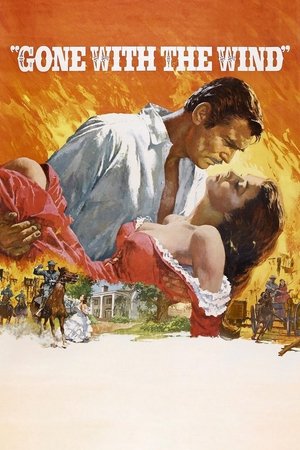
The spoiled daughter of a Georgia plantation owner conducts a tumultuous romance with a cynical profiteer during the American Civil War and Reconstruction Era.
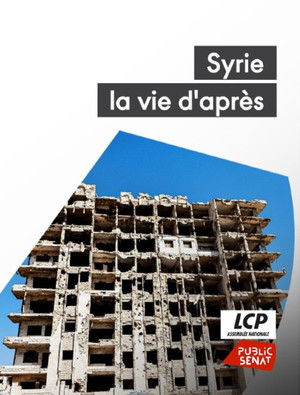
After twelve years in exile, Syrian journalist and filmmaker Daham Alasaad returns to Homs, devastated by the war in Syria. Once the city of his childhood, it is now a relic of an authoritarian regime, where different communities (Sunnis, Christians, Alawites) are trying to rebuild their lives together after terrible years of division and destruction. Thanks to Daham Alasaad's close relationship with the city's inhabitants, the director highlights some very moving characters, torn between grief, fear, the need for justice, and the desire for peace and reconciliation. By opening up naturally to the camera, they allow viewers to experience what Syrians of all backgrounds are going through today. "Homs-Syria, Life After" is a personal and political investigation into the ability of this symbolic city to rebuild hope on the ruins of a Syria ravaged by more than fifteen years of war and facing an uncertain future.
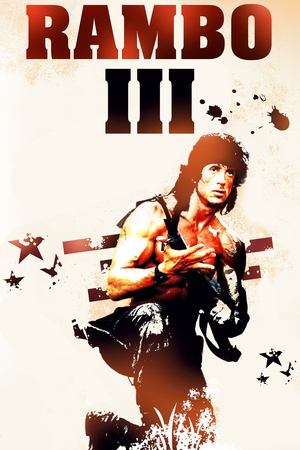
Combat has taken its toll on Rambo, but he's finally begun to find inner peace in a monastery. When Rambo's friend and mentor Col. Trautman asks for his help on a top secret mission to Afghanistan, Rambo declines but must reconsider when Trautman is captured.
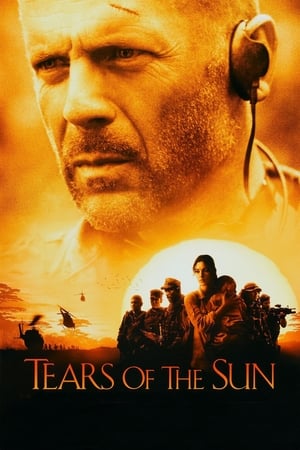
Navy SEAL Lieutenant A.K. Waters and his elite squadron of tactical specialists are forced to choose between their duty and their humanity, between following orders by ignoring the conflict that surrounds them, or finding the courage to follow their conscience and protect a group of innocent refugees. When the democratic government of Nigeria collapses and the country is taken over by a ruthless military dictator, Waters, a fiercely loyal and hardened veteran is dispatched on a routine mission to retrieve a Doctors Without Borders physician.
This film creates a real-life epic of boyhood and manhood that follows the same individual over 20 years, living in one of the most dangerous countries in the world. When we first meet Mir, he is a mischievous boy of seven living in a cave in central Afghanistan alongside the Buddhas of Bamiyan, two statues that were recently destroyed. For two decades, the film follows the adventures of his life, until, as an adult with a family of his own, he decides to pursue his own career as a news cameraman in Kabul. More than just a personal journey, My Childhood, My Country is an powerful examination of what has – and has not – been achieved in Afghanistan over the past 20 years.