The encounter with a growing, and mostly undocumented, brazilian community allows us to bear witness to its energy, its vivacity, and its diversity. This film attempts to work for a larger acceptance of foreigners in their land of exile.
This short documentary presents the singular movie theater of the historic city of Ouro Preto, in Brazil, the Cine Vila Rica. Throug the looks of five characters that represents different ages and different reasons for the existence of the movie room, the directors put on screen a sentimentalist view of cinema itself and of seeing yourself as a part of one special theater.
A documentary about the corrupt health care system in The United States whose main goal is to make profit even if it means losing people’s lives. "The more people you deny health insurance, the more money we make" is the business model for health care providers in America.
Oliver Sacks: His Own Life explores the life and work of the legendary neurologist and storyteller, as he shares intimate details of his battles with drug addiction, homophobia, and a medical establishment that accepted his work only decades after the fact. Sacks was a fearless explorer of unknown mental worlds who helped redefine our understanding of the brain and mind, the diversity of human experience, and our shared humanity.
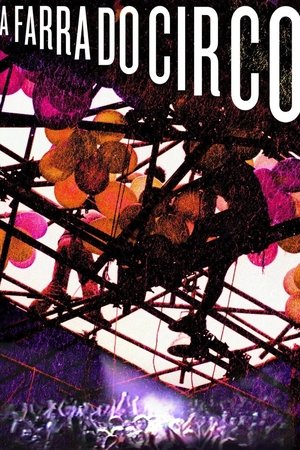
This documentary highlights the evolution of Brazil's Circo Voador venue from homespun artists' performance space to national cultural institution.
Filled with raunchy laughs, this documentary compiles outrageous scenes from sex-comedies that shaped Brazil's "pornochanchada" boom of the 1970s.
In Nigeria, a young Canadian doctor serves in a local mission hospital and learns much from the experience. Stationed abroad under the Canadian University Service Overseas Plan, Dr. Alex McMahon and his schoolteacher wife find every day a fresh challenge. An interesting study of intercultural help.
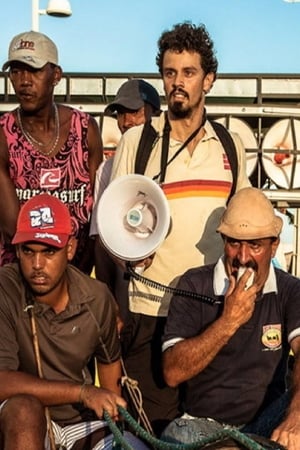
As farm animals are prohibited anywhere in Recife, everyone who gets about by horse is made invisible from the point of view of the law. Only by dealing with the race as if it were scene from a movie – by being able, therefore, to have it considered as being to some extent a piece of "fiction" - is what would make the event feasible and fit to obtain the authorizations needed to make it happen from the official point of view.
Documentary about the life of three families living in the city of Boa Vista, north of Brazil. Some of them look for a more intense daily life going to parties, work and dealing with family trouble, others want to get back to the tribe. Personal crises and the search for their own identity are aspects that reveal great relevance.
Plano B
As news of the coronavirus broke around the globe, a small group of scientists jumped into action to tackle one of the greatest medical challenges of our time: to create a vaccine against a virus no one had ever seen before, and to do so in record time, during a deadly, global pandemic.
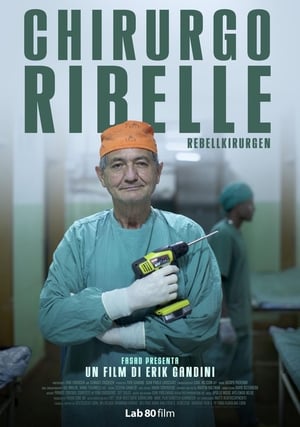
Portrayal of a surgeon who feels stifled by Swedish bureaucracy and relocates to Ethiopia to practice medicine. In a small field hospital, with limited resources, he uses anything at hand to help the patients.
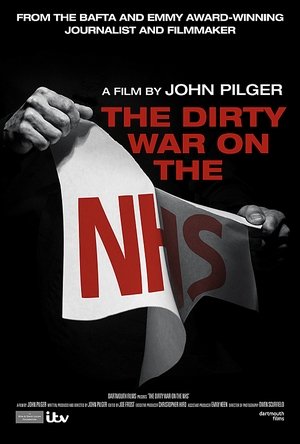
John Pilger unearths the hidden agenda behind the NHS crisis.
It is a documentary, which submits to the public the most dramatic, subhuman situations in which men find themselves living in all corners of the world. From India to Brazil, from the African nations of the Sahel to Bolivia, the camera ruthlessly shows the images of a humanity marginalized in a thousand ways by the so-called"civil consortium".
A city that has been living for two years with the law that prohibits "clandestine parties". A youth who, when reunited, risks receiving a police raid on their doorstep, in the street, in the park or in the square. Spatial segregation, denial of the right to the city and public space for the leisure of the poor, black and peripheral. Willingness to make art, create music, lyrics, poetry, beats, hits and spread culture in this repressive scenario.
With nutritionally-depleted foods, chemical additives and our tendency to rely upon pharmaceutical drugs to treat what's wrong with our malnourished bodies, it's no wonder that modern society is getting sicker. Food Matters sets about uncovering the trillion dollar worldwide sickness industry and gives people some scientifically verifiable solutions for curing disease naturally.
The film recounts the incredible research conducted by François Cartault, a pediatrician and geneticist on the island of Réunion. Conducted like a police investigation over more than 20 years, his research, both medical and historical, takes us on a journey through the disease of moon children, deprived of sunlight, and on the trail of slavery in Africa. The film shows how genetics is also an astonishing trace of history.
Benzeduras
Yndio do Brasil is a collage of hundreds of Brazilian films and films from other countries - features, newsreels and documentaries - that show how the film industry has seen and heard Brazilian indigenous peoples since they were filmed in 1912 for the first time: idealised and prejudiced, religious and militaristic, cruel and magic.
A Wisconsin doctor's controversial allergy treatment is shunned by the medical community for over half a century. Is a cure for the growing allergy epidemic on the horizon or will red tape keep patients wheezing?