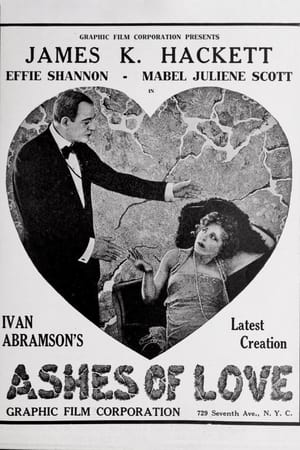
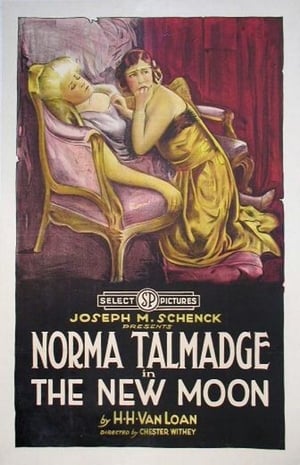
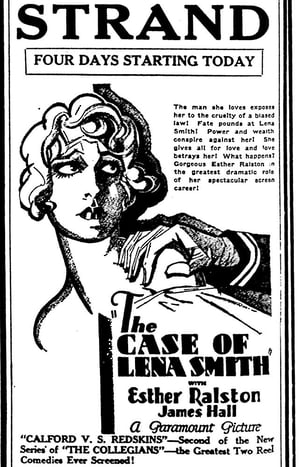
In order to provide for her widowed mother, Louise Mordyke, Ethel marries Arthur Woodridge, a wealthy philanthropist who is considerably older than she. Although she respects her husband, Ethel resumes an affair with Howard Rosedale, the husband of her cousin Helen. Helen hires a detective, who discovers the lovers at a roadhouse. Rushing from the inn, Ethel is caught in a thunderstorm, after which she contracts pneumonia and dies, repentant but unconfessed. Arthur grieves so deeply that Louise and Helen fear for his sanity, and when Louise learns that he is contemplating suicide, she reveals the truth about Ethel's infidelity. Arthur, incredulous, denounces her. Following Howard's sudden death, however, Helen confirms the story. Louise and Arthur marry, and Helen weds an old friend.
The love affair between King Alfonso VIII of Castile and Rahel la Fermosa, a Jewish woman.
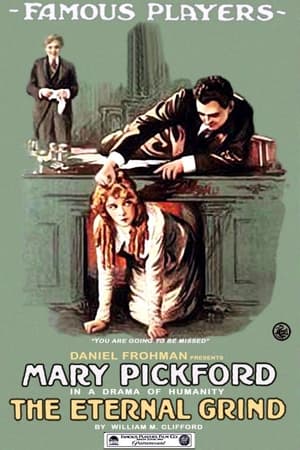
Louise (Pickford) is a sewing-machine girl in a sweatshop in New York City. She lives together with her sisters Amy (Loretta Blake) and Jane (Dorothy West) and are all deprived by bad conditions at work and sickness. Louise tries for the three of them to survive and regards herself as the keeper of her sisters. Meanwhile, she stands up to her bosses and complains about the dreadful circumstances they work in. When Amy is seduced by the son of the shop-owner, Louise butts in and stops the romance. He eventually abandons Amy and becomes seriously injured in a cave-in. Louise has a secret crush on the son herself and tries to rescue him, hoping he will admit he loves her. The film is inspired by the Triangle Shirtwaist Factory fire, which took place in 1911. The only version of the film is a nitrate print in the Cinematheque Francaise, but only the first half remains.
Mere years could not kill the overwhelming love which lay dormant in Lorenz's heart, though Florence was now the wife of another.
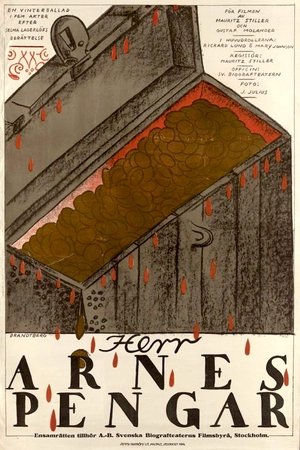
Three Scottish officers, including Sir Archi, murder Sir Arne and his household for a coffin filled with gold. The only survivor is Elsalill, who moves to relatives in Marstrand. There she meets a charming young officer- Sir Archi- and she soon understands that he was one of the murderers.
When anarchist bombs disrupt the engagement ball of Princess Marie Pavlovna, her fiancé, Prince Michail Koloyar, helps her to escape in a carriage. Then Theo Kameneff, secretly in the pay of a foreign government, becomes dictator and, desiring the princess, issues an edict that all women between the ages of seventeen and thirty-two must register and become state property.
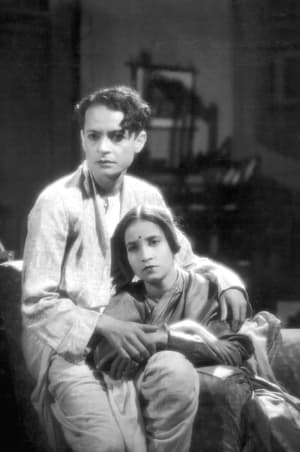
Devdas, the son of a zamindar, and Parvati, his neighbour's daughter, are childhood sweethearts. However, class and caste differences prevent their marriage. Devdas is sent off to Calcutta, while Paro is married off to an aged rich widower. In Calcutta, as remorse drives him to alcohol, Devdas meets Chandramukhi, a prostitute. All Indian prints of this Bengali version were destroyed in a fire that ravaged New Theatre’s studios. Today, only one copy of the film survives which belongs to the Bangladesh Film Archives. Of that copy almost forty percent is destroyed.
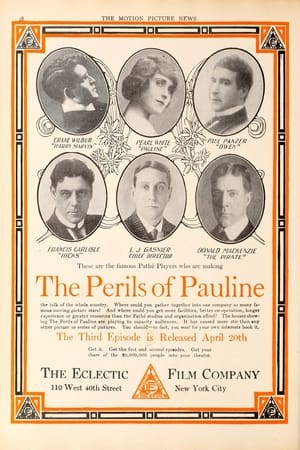
The Perils of Pauline is a motion picture serial shown in weekly installments featuring the actress Pearl White playing the title character. Pauline has often been cited as a famous example of a damsel-in-distress, although viewers will find her character more resourceful and less helpless than the classic 'damsel' stereotype. Nine episodes (from a condensed 1916 re-release) survive to this day.
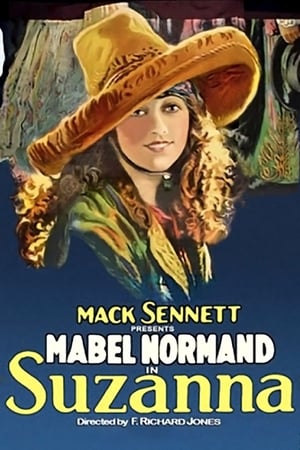
Hoping to consolidate their adjoining ranches, Don Fernando and Don Diego betroth their children, Ramón and Dolores, although Ramón is in love with Suzanna, the daughter of a peon on his father's ranch, and Dolores is interested in Pancho, a toreador. When Suzanna learns that she was kidnapped in infancy and is really Don Diego's daughter, she keeps silent; but Ramón finally rebels and steals Suzanna from the altar as she is about to marry Pancho. There are explanations, Ramón marries Suzanna, and Dolores marries Pancho. Suzanna (1923) has been mastered from a good quality but incomplete 35mm print.
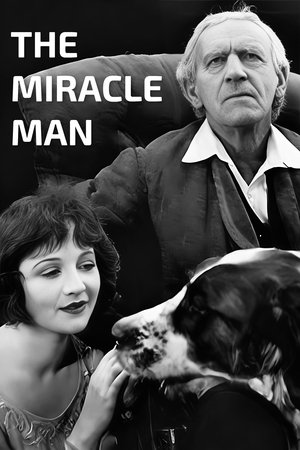
A gang of crooks evade the police by moving their operations to a small town. There the gang's leader encounters a faith healer and uses him to scam gullible public of funds for a supposed chapel. But when a real healing takes place, a change comes over the gang. Lost film, only the most famous scene has survived.
When his ne'er-do-well brother embezzles the commissary funds of their cavalry unit stationed in the Sudan, a British soldier takes the blame for him. He winds up deserting his post and joining up with a traveling vaudeville troupe. He falls in love with a pretty young woman in one of the show's acts but finds that a local Arab sheik has his own plans for the young girl.
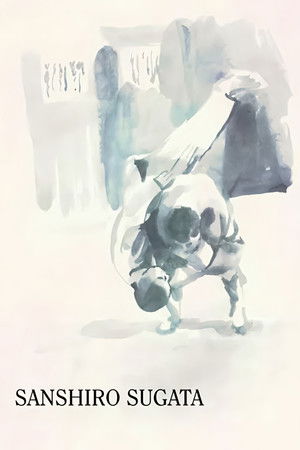
A hotheaded youth in 1880s Meiji Japan apprentices to judo master Shōgorō Yano, trading brute jujutsu bravado for discipline and humility. As Sanshirō matures, he proves judo’s spirit against old-guard challengers—including a deadly duel—while falling for his vanquished opponent’s daughter. Based on the novel by Tsuneo Tomita, son of Tomita Tsunejirō, the earliest disciple of judo.
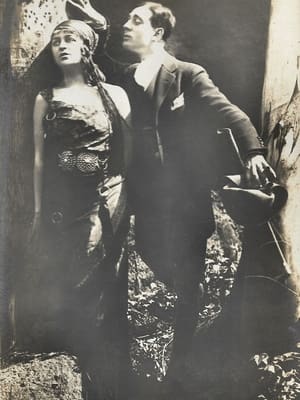
Passione tsigana
Smarrita!
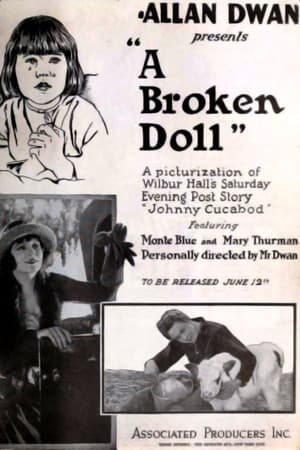
Ranch hand Tommy Dawes has a special bond with little Rosemary, the crippled daughter of his boss Bill Nyall. When Tommy accidentally breaks Rosemary's favorite doll one day, he borrows a $20 gold piece from the foreman's mattress to go to town and buy a new doll. However, on the way there he is ambushed and robbed by an escaped convict
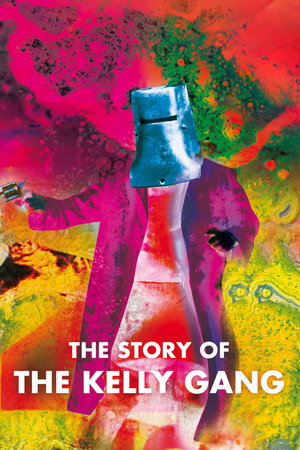
Just as Galeen and Wegener's Der Golem (1915) can be seen as a testament to early German film artistry, The Story of the Kelly Gang (1906) symbolizes both the birth of the Australian film industry and the emergence of an Australian cinema identity. Even more significantly, it heralds the emergence of the feature film format. However, only fragments of the original production of more than one hour are known to exist, preserved at the National Film and Sound Archive, Canberra; Efforts at reconstruction have made the film available to modern audiences.
Famous Russian screen actors play themselves in this drama about the lives of actors. Thirteen minutes of the film survive.
In a futuristic city sharply divided between the rich and the poor, the son of the city's mastermind meets a prophet who predicts the coming of a savior to mediate their differences.
A peasant girl goes to great lengths to protect her child in 19th century Vienna. The film is considered lost, and only four minutes of footage are known to remain.
Focuses on the suspenseful, intertwined stories of the Chancery court injustices and the scandalous secrets surrounding Lady Dedlock's past. Part of serial Tense Moments from Great Plays.