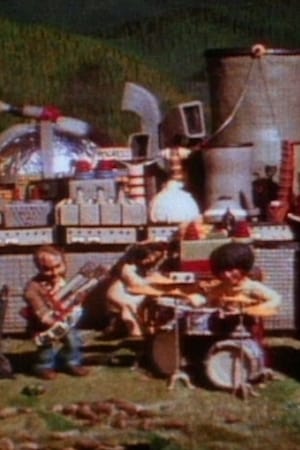
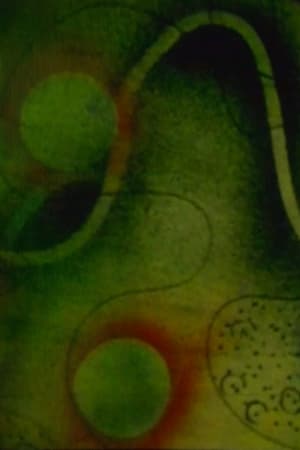
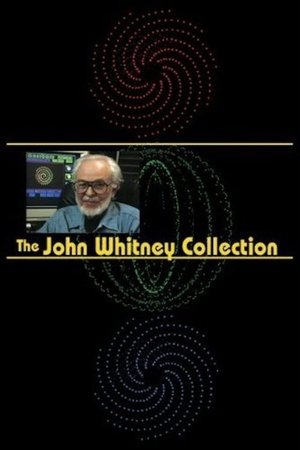
Mountain Music illustrates what happens when technology gets too advanced too soon. Preserved by the Academy Film Archive in 2012.
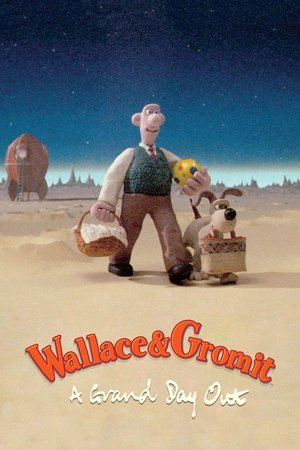
Wallace and Gromit have run out of cheese, and this provides an excellent excuse for the duo to take their holiday to the moon, where, as everyone knows, there is ample cheese.
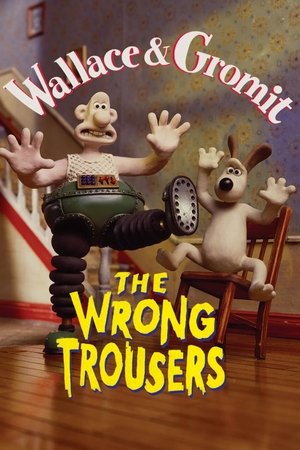
Wallace rents out Gromit's former bedroom to a penguin, who takes up an interest in the techno trousers created by Wallace. However, Gromit later learns that the penguin is a wanted criminal.
Wallace's whirlwind romance with the proprietor of the local wool shop puts his head in a spin, and Gromit is framed for sheep-rustling in a fiendish criminal plot.
A stop-motion animated account of the 1942 Battle of Guadalcanal in World War II. Preserved by the Academy Film Archive in 2004.
Experimental short film by Oskar Fischinger. Preserved by the Academy Film Archive in 2000.
A vibrant animation by Patricia Marx. Preserved by the Academy Film Archive in 2000.
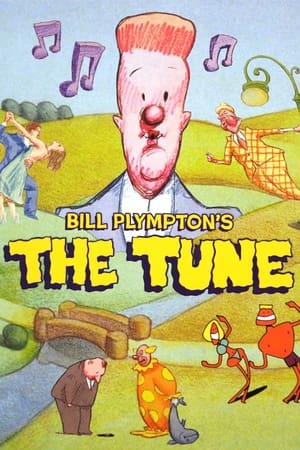
Del is a song writer for the obnoxious Mr. Mega, and in love with Didi, Mega's secretary. His quest to write a hit tune brings him to the wacky world of Flooby Nooby, where he just might learn to write songs from the heart.
The cartoon is one of the Marshall Plan's most popular films. A clash between a shoemaker and a hat maker illustrates the contrasts between protectionism and free trade. Preserved by the Academy Film Archive in 2003.
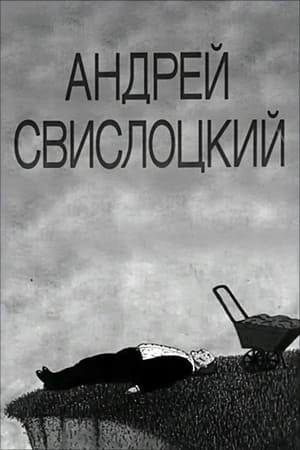
This animated short focuses on the lives of three eccentric people living on a farm in the Ukrainian countryside. Told in a non-linear, stream of consciousness style, the film depicts the deceitful relationship between a master and his two servants.
An animation (long before there were such things) for Oscar Brown Jr’s track “But I Was Cool”, from his 1961 debut album Sin & Soul. Preserved by the Academy Film Archive in 2012.
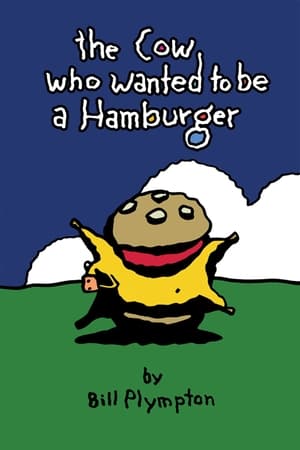
A children's fable about the power of advertising, the meaning of life and ultimately the test of a mother's love. Preserved by the Academy Film Archive in 2016.
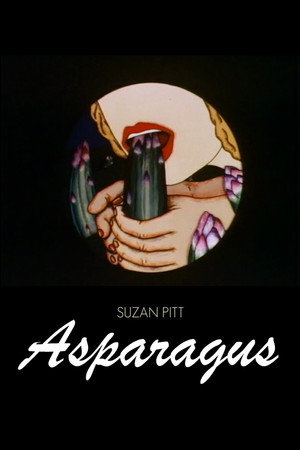
A symbolic reflection on issues of female sexuality, art and identity constructs.
NO NO NOOKY TV posits sexuality to be a social construct in a "sex-text" of satiric graphic representation of "dirty pictures." Made on an Amiga Computer and shot in 16mm film, NO NO NOOKY TV confronts the feminist controversy around sexuality with electronic language, pixels and interface. Even the monitor is eroticized in this film/video hybrid that points fun at romance, sexuality, and love in our post-industrial age. Preserved by the Academy Film Archive in 2017.
The story of a starving third-world infant, set to a song by Harry Chapin. Preserved by the Academy Film Archive in 2015.
Opens with a short canonical statement of a theme upon which the entire film is constructed. The canon is repeated in contrasting variations by means of color. A second section poses the same image in deep film space. The image unfolds itself repeatedly, leaving the receding image to continue on smaller and smaller. Preserved by the Academy Film Archive in 2005.
"A destitute room, transmuted by the startling magic of stop-motion photography into a luxuriant explosion of color. A new work by D’Avino (THE BIG O)." – Cinema 16 program notes, May 1959. Preserved by the Academy Film Archive in 2007.
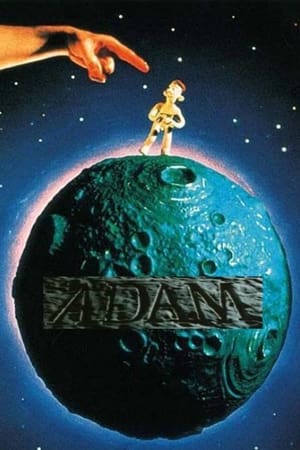
When The Hand of God creates Adam, he must learn the ways of the world, and can only hope for company.
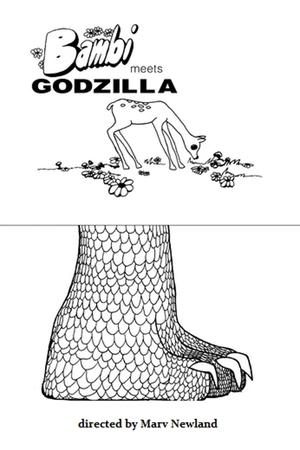
A deer, disillusioned by the consumerism that defines his life. A lizard, ostracized from society, forever wandering. A chance meeting in the middle of a field. Who will survive? And who will transcend existence? Preserved by the Academy Film Archive in 2009.
"I think of Odalisque as my first film. It was completed after film school and I worked with just a graphite pencil, a small group of colored pencils and animation bond. It is a trilogy of amorous dreams coming from the imagination of a woman recalling her childhood, her beloved twin so difficult to separate from and becoming an adult sexual person. The aria Sempre Libera from La Triviata by Verdi opens the film and the poem Leda and the Swan by WB Yeats ends it. It was great to work with Michael Riesman who created the sound track. I loved working in NYC in those days with Robin McDaniel, Rebecca High and others." Preserved by the Academy Film Archive in 2017.