The Little Napoleon
Nachtschatten
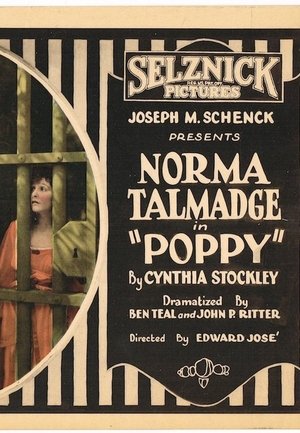
A 1917 film directed by Edward José
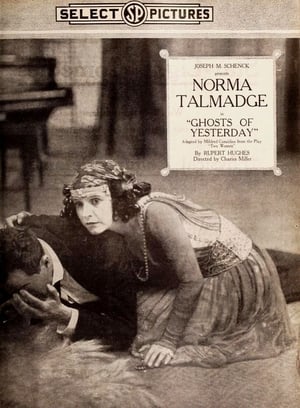
A 1918 film directed by Charles Miller.
A 1919 film directed by Sidney Franklin.
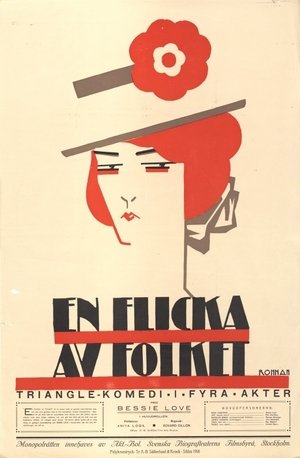
A young girl, Rose Eastmen lives with her lazy Uncle, who works as a janitor in a publishing house. Lacking education, both Rose and her Uncle are susceptible to the socialist ideas of writer Rudolph Creig. One day Rose encounters Jack Steven's the wealthy son of the publishing house, working on his car. She believes he is a common laborer, and begins seeing him. Through her exposure to Jack, Rose begins to realize the rich are not such an abominable people. Rudolph has also reached this conclusion after learning Steven's has published his book. Now with a hefty royalty check and success, Rudolph is able to marry Rose.
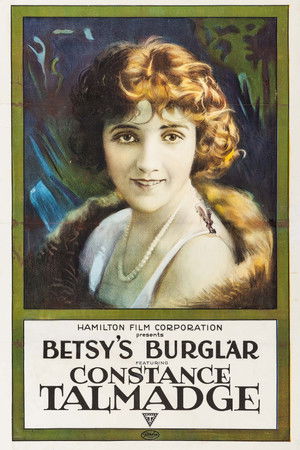
Betsy Harlow is a hard-working maid in a boarding house. Her dream. however, is to be a detective, a dream she shares with her boyfriend Oscar, a delivery boy for a local grocer. One day a mysterious character named Harry Brent takes a room at the boarding house. Harry, seeing that Betsy is falling for his rather shady charms, persuades her to help him get a box of jewels owned by the Jaspers, an elderly couple who lives across the hall. It turns out that Harry is not quite who he seems; neither, however, are the Jaspers.
A 1922 film directed by Frank Lloyd.
A 1925 film directed by Sidney Franklin.
A melodrama about a painter who is infected with syphilis, refuses treatment, turns to the use instead of narcotics, and withers away.
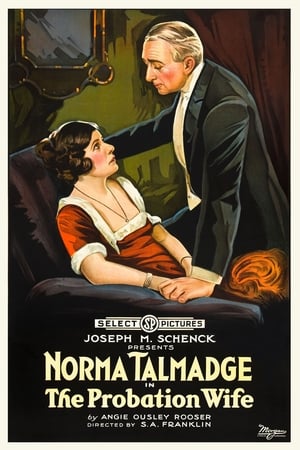
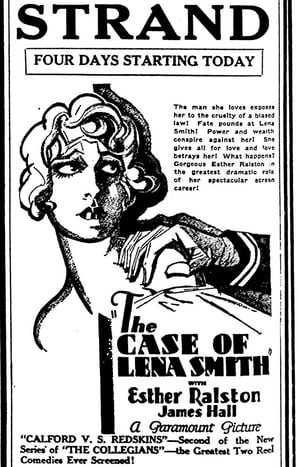
James Rallston, facing financial hardship, marries a wealthy invalid widow with a daughter, Jean, and plots to control her fortune. He orchestrates her confinement in a sanitarium by drugging her and falsely claiming she is insane, with the help of a conniving doctor and sanitarium keeper. Fifteen years later, Rallston has lost Jean's fortune through speculation and seeks help from John Bigelow to recover it, offering Jean as a reward. Bigelow, suspicious of Rallston, discovers the truth about the widow and Jean's father, and rescues the widow from the sanitarium.
A hotheaded youth in 1880s Meiji Japan apprentices to judo master Shōgorō Yano, trading brute jujutsu bravado for discipline and humility. As Sanshirō matures, he proves judo’s spirit against old-guard challengers—including a deadly duel—while falling for his vanquished opponent’s daughter. Based on the novel by Tsuneo Tomita, son of Tomita Tsunejirō, the earliest disciple of judo.
William S. Hart directs and stars in a film that is a typical Western of the era. He plays Jim, a prospector who lands in the town of Broken Hope, and the name pretty much describes its inhabitants. Jim meets and falls in love with Jennie (Margery Wilson), whose father (Walt Whitman) is gravely ill. Jim rounds up a reluctant doctor from another town to tend to the old man, but he dies anyway. The doctor, however, gains Jennie's trust and she runs off with him. Only then does he tell her he's already married. She leaves immediately, but is too proud to go home so she finds work as a dance hall girl at Tacoma Jake's saloon. Jim, meanwhile, finds gold near Broken Hope, which raises its inhabitants' attitudes considerably. But the bad element is still there, and Jim is chasing after a group of kidnappers when he enters Tacoma Jake's saloon and sees Jennie. Jim not only overcomes the bad guys, he gets the girl, too.
An aging Casanova, long dead, is resurrected when factory heiress Susanne Hilmer’s longing brings him back as the modern “Knight Heinrich Holanden,” only to trail a trail of broken hearts, from Susanne and her sister Margarete’s suicides to would-be lovers Ninette and the Countess, before he’s grievously wounded and cared for by the pure-hearted Baroness Livia. When Livia, the only woman he ever truly loves, takes her own life in shame, Casanova, heartbroken, returns to his tomb, closing the door on his final, unfulfilled passion.
Ranch hand Tommy Dawes has a special bond with little Rosemary, the crippled daughter of his boss Bill Nyall. When Tommy accidentally breaks Rosemary's favorite doll one day, he borrows a $20 gold piece from the foreman's mattress to go to town and buy a new doll. However, on the way there he is ambushed and robbed by an escaped convict
The Perils of Pauline is a motion picture serial shown in weekly installments featuring the actress Pearl White playing the title character. Pauline has often been cited as a famous example of a damsel-in-distress, although viewers will find her character more resourceful and less helpless than the classic 'damsel' stereotype. Nine episodes (from a condensed 1916 re-release) survive to this day.
Reporter Frank Sloan, investigating the disappearance of a Chinese slave girl in Chinatown which leads to opium addiction, job loss, and personal ruin, until a major murder brings him back into the story, revealing the dark underbelly of the district.
ruthless gunfighter Tucson forces his girlfriend, Rhita, to abandon their baby, whom he views as an intrusion. The child is rescued and raised by homesteaders Ada and Tim Lawson. Conflict arises when Santro, a rival rancher, hires Tucson to drive the Lawsons off their land. After Tucson publicly humiliates Tim Lawson, Rhita discovers the homesteader is raising her child. To protect the man caring for her son, she secretly ties Tucson’s pistol into its holster with a rawhide thong, ensuring he cannot draw his weapon during their final showdown.
Bill Peck is discharged from an army hospital and goes in search of a job. Cappy Ricks hires Bill, but gives him an seemingly impossible test of finding and buying a particular blue vase to prove he can handle a challenging job in China.
A gang of crooks evade the police by moving their operations to a small town. There the gang's leader encounters a faith healer and uses him to scam gullible public of funds for a supposed chapel. But when a real healing takes place, a change comes over the gang. Lost film, only the most famous scene has survived.