Dutch comedian Ruud Smulders offers the spectators a peek into his thoughts.
Roué Verveer: Typisch Surinaams
Inspired by a fan, TV satirist Arjen Lubach makes the move from the news desk to the stand-up stage to share his search for life’s secrets. Plus, music!
Klaas van der Eerden: Sixpack
Stage registration of the thirteenth show by the Flemish cabaret duo Kommil Foo. About man and his everyday tragedy. And that that man is a wolf to his fellow man...
Stage registration of the fifteenth show 'Breken' by the Flemish musical comedy duo Kommil Foo. The performance opens with the question 'How do you get a grown man into a matchbox?'
TV-adaptation of the fourth solo show by Dutch comedian Louise Korthals. In her own words: "This show is about what we pass on to the next generation."
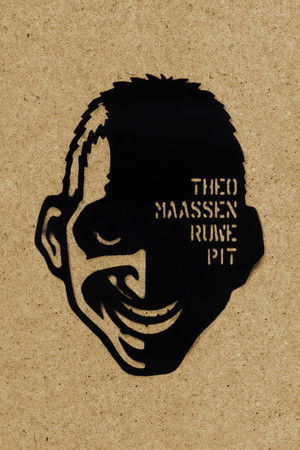
Maassen won two of the biggest comedy contests in the Netherlands in 1990, the Groninger Studenten Cabaret Festival(GSCF), and Cameretten. The GSCF jury was not pleased with the quality of the contestants that year, and gave Maassen the first prize, remarking he was the best of the year, but still not very good. In the following years, however, Maassen fame grew steadily, especially amongst students. Maassens style was based on stand-up comedy: Alone on stage, telling jokes and stories to amuse the public, without any musical support (a thing common for most Dutch comedians up to that point). Since 2000, Maassens shows are shown on Dutch national television, making him more and more a household name.
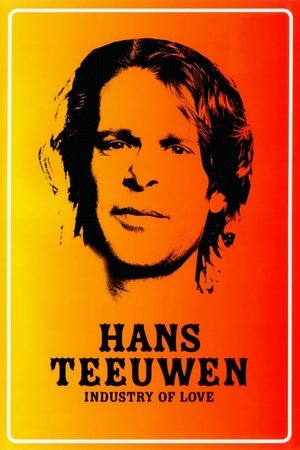
Teeuwens fifth stand-up show is about love. Small, large, hidden, the physical, the famous and the improper love. Hans Teeuwen unravels that love into forms that you do not recognize, but can very surely sense.
Maassen won two of the biggest comedy contests in the Netherlands in 1990, the Groninger Studenten Cabaret Festival(GSCF), and Cameretten. The GSCF jury was not pleased with the quality of the contestants that year, and gave Maassen the first prize, remarking he was the best of the year, but still not very good. In the following years, however, Maassen fame grew steadily, especially amongst students. Maassens style was based on stand-up comedy: Alone on stage, telling jokes and stories to amuse the public, without any musical support (a thing common for most Dutch comedians up to that point).
Urbanus: Hebben jullie mijn filmpjes al gezien
Registration of the fourth solo program by the Dutch comedian Hans Sibbel, in which the comedian takes a look at the evolution.
The first show by the Dutch comedian Kasper van der Laan.
This theatre performance is built around the 'seven corporal works of mercy'. Comedian Maarten van Roozendaal tells and sings about life, death, love, spring and bears. He is accompanied by Egon Kracht on double bass and Marcel de Groot on guitar.
In this theatre show Maarten van Roozendaal, double bassist Egon Kracht and guitarist Marcel de Groot "celebrate" the "achievements" of Western civilization. However, the ambitious pursuit of wealth, happiness and freedom also appears to have a downside.
Xander De Rycke targets the Flemish media and entertainment world in a special edition of his popular HHVB show. And yes, Streamz is also getting beaten.
Xander De Rycke has had enough. Comedian Xander De Rycke has a new project. The creator of the popular podcast "Mosselen om half twee" (Mussels at half past one) is releasing a special about his secret love: the Flemish media landscape. Over the past year, De Rycke has watched just about every Flemish film and TV program.
Urbanus: Het een oog in, het andere oor uit
The show of Toon Hermans anno 1991
Mind you is the fourth theater of the Dutch comedian Hans Teeuwen. He performed the show in 2001. The last show was filmed in 2002 and aired on television, the same year that the show on CD and DVD published. It's Teeuwen's most famous and most frequently quoted show. He takes everything on the heel, including racism, blacks, world religions, AIDS patients, women, Jostiband and the Queen of the Netherlands.