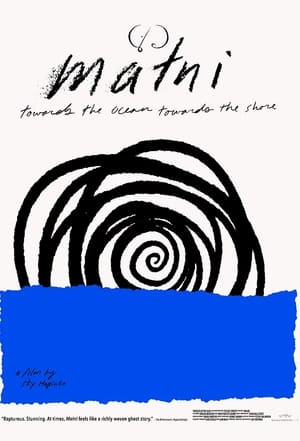
When the Nuxalk trace their vanished ooligan alongside a land claim filed the day smallpox arrived, their radio station becomes courtroom, confessional and conjuring ground, where an older law insists: the fish and the people return together or not at all.
Uncovering the haunted secrets at one of America's largest Train Museums with a Team of Paranormal Investigators, Museum employees and Historians.
Pioneering 3D promotional film about the Pennsylvania Railroad.
A short documentary that follows a day at work for 3 wagon rhymers.
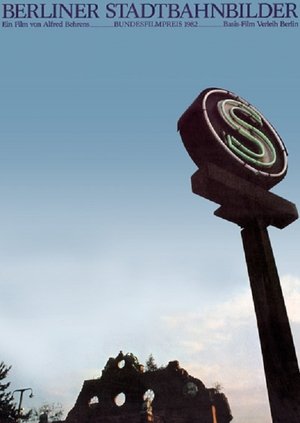
Short documentary about the new ICE. On March 19, 1985, the ICE was officially handed over to the Bundesbahn at Krupp in Essen during a rollout ceremony attended by invited guests, experts and media representatives.
The Unreserved is an inquiry into the lives of passengers who use the Unreserved Compartment, the cheapest way to travel across India on the Indian Railways system. The film portrays the passengers’ aspirations, efforts and opinions through conversations and personal stories.
The pilgrimage to Mecca is one of the most important religious journeys for millions of people around the world. But how to get there? This documentary shows us how 12 companies met the immense challenge of running a high-speed train through Saudi Arabia's sandy rocky desert in temperatures of up to 50 degrees Celsius. A true marvel of engineering and cooperation, and together, overcoming obstacles.
Model husbands prove that size isn't everything as they get steamed up over Lilliput locomotives.
The German railroad has been in operation since 1835, but the darkest chapter in German railroad history is often forgotten. Extensive original film material from the Nazi era shows the dubious role played by the Deutsche Reichsbahn during the Second World War and how little resistance there was among the railroad workers.
"Tetsudou" version of the series full of popular vehicles for children. Fifty kinds of trains selected from the railway active in Japan such as Shinkansen, SL (steam locomotive), limited express, etc. are recorded with powerful images. Introducing a nostalgic train that is not running now as a bonus picture.
Discover the "character" of one of Missouri's oldest tie and lumber operations through this archival black-and-white film that documents one of the last railroad tie drives on the Black River made by the T.J. Moss Tie Company of St. Louis in the 1920s. Thanks to release of the film by the Kerr-McGee Chemical Corporation, the rare footage in "Stamp of Character" takes us through the entire process of making railroad ties, at a time when forests covered almost two-thirds of the state. The original silent motion picture was shown in movie theaters as an advertisement by the T.J. Moss Tie Company. Using digitally edited narration and realistic sound effects, this video makes the past live again.
Wisconsin has a remarkable heritage with trains, and is looking at an even more promising future. However this future is now in jeopardy as larger modern trains continue running over an aged rail system that was never designed for this type of weight. The result, a dramatic decrease in speed and increase in derailments costing the railroad thousands of dollars every year! Wisconsin & Southern Railroad has developed a multi-year rail upgrade plan. This plan will replace the aged rail network with new heavier track capable of handling the growing demands of Wisconsin's rail future.
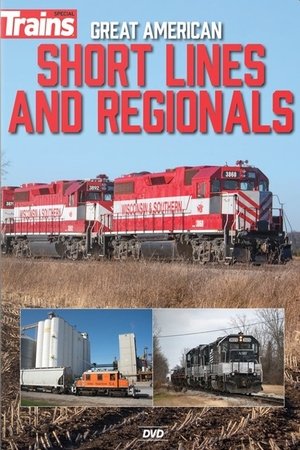
In this documentary, you will get an exclusive overview of short line railroads with the American Short Line & Regional Railroad Association, the industry trade group, and industry experts like the president of the American Short Line & Regional Railroad Association and Trains columnist Bill Stephens.
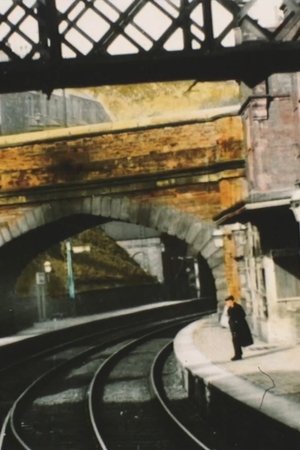
A hand-colored ride along the Bangor-Conwy-Colwyn Bay railroad filmed from an express train from the London and North Western Railway; Stations, vistas and a tunnel under the Conwy Castle (misspelled in the title) in North Wales.
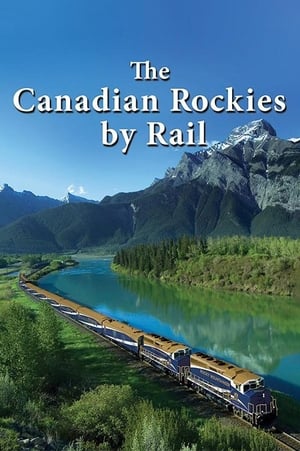
Take a breathtaking train a ride through Nothern Quebec and Labrador on Canada’s first First Nations-owned railway. Come for the celebration of the power of independence, the crucial importance of aboriginal owned businesses and stay for the beauty of the northern landscape.
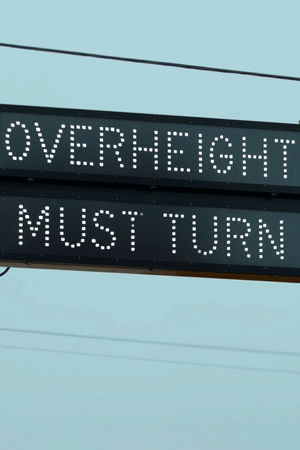
For the past ten years, Jürgen Henn has filmed over-height trucks crashing into the 11foot8 train bridge affectionately nicknamed the "Can Opener." In that time, millions have viewed the crashes online. Regional, national, and international news organizations have dined out on the story and the goofy crash reels. But why do motorists continue to crash despite the many warnings, sensors, and signs? And what is it about these crashes that holds our attention? In this piece, we look for the humanity in human error.
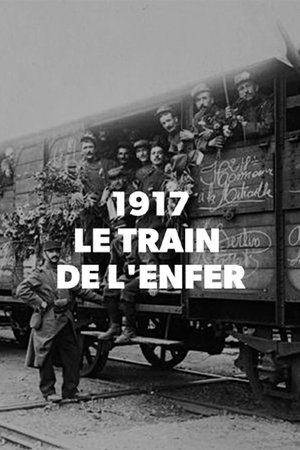
1917, The Train from Hell is an historical documentary about a train accident during WW1.
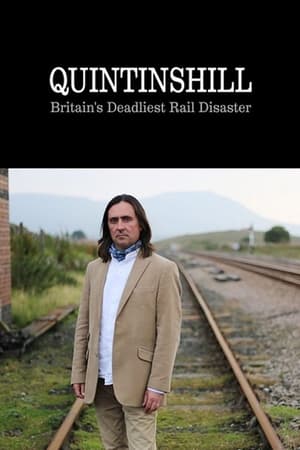
Neil Oliver describes the worst ever railway accident in the UK, which happened a hundred years ago on 22 May 1915, in which three trains collided at Quintinshill near Gretna Green. One of the trains was a troop train taking soldiers to fight in World War I at the Battle of Gallipoli: many of the dead were in this train which caught fire due to escaped gas from the archaic gas lighting in the carriages. The cause of the crash was attributed to a catastrophic signalman's error, but Neil examines whether there were other contributory factors and whether there was a cover-up to prevent investigation of them, making convenient scapegoats of the signalmen.
May 27th, 1971 was a rainy day. In the small town Radevormwald, the world seems to be still in order. But on this day, 46 people die in a train crash, amongst them 41 schoolchildren. Since then, Radevormwald has been connected with one of the worst railway catastrophes of Germany. The touching documentary reconstructs the tragedy and shows how much the event still influences the life in the town until today.
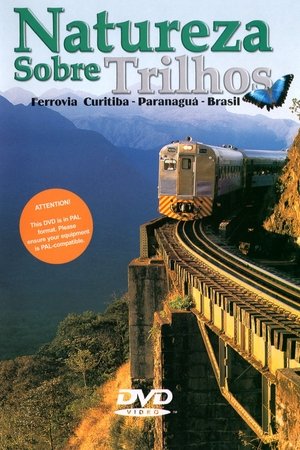
Know in full all about the particularities of this rail ride that has been enchanting thousands of passengers for over a century. In this trip it is difficult to distinguish who plays the main role: whether the Railway or the Nature. The Paranaguá - Curitiba Railroad is one of the largest engineering works in the world, with 110 km (68 mi) of tracks including 13 tunnels, 30 bridges and several wide span viaducts. In the course of the trip, what is easily perceived is the beauty of the scenery when crossing the Serra do Mar, considered a Biosphere Reserve by UNESCO.