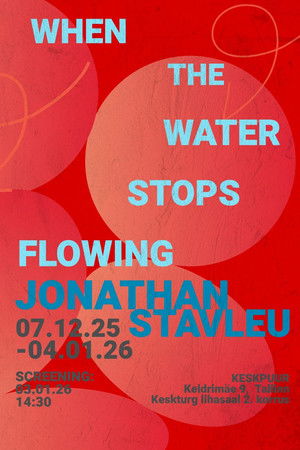
A dance between moon and ocean, forests and rivers. A short film by Scott Barley, originally made for a "half moon phase" sequence for Tadhg O'Sullivan's essay film, 'To the Moon' (2020). Shot on iPhone Xs with various rephotographing techniques, combined with superimposed drawings and paintings by Scott Barley. Released as a standalone short film in 2024 as part of 'Short Films (2012–2020): Solo Works by Scott Barley' on Blu-ray.
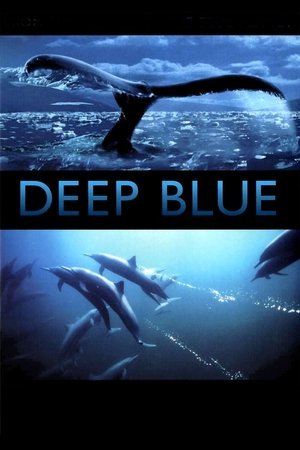
An ecological drama/documentary, filmed throughout the globe. Part thriller, part meditation on the vanishing wonders of the sub-aquatic world.
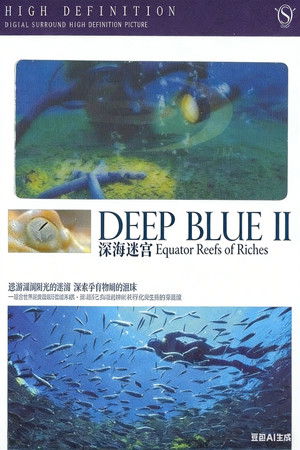
Deep Blue is a major documentary feature film shot by the BBC Natural History Unit. An epic cinematic rollercoaster ride for all ages, Deep Blue uses amazing footage to tell us the story of our oceans and the life they support.
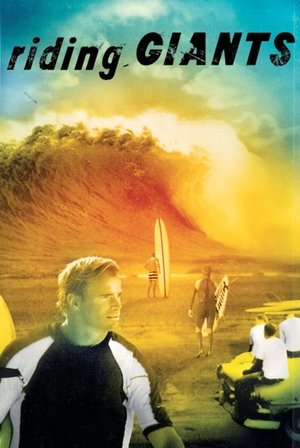
Riding Giants is story about big wave surfers who have become heroes and legends in their sport. Directed by the skateboard guru Stacy Peralta.
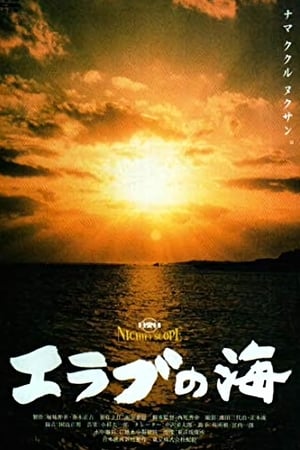
Documentary about Japanese pearl fishers.
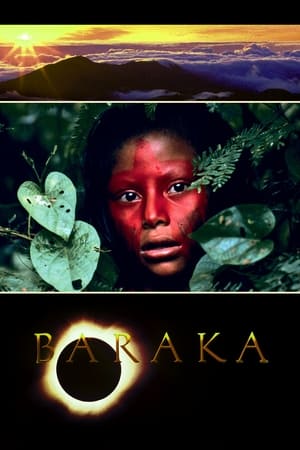
A paralysingly beautiful documentary with a global vision—an odyssey through landscape and time—that attempts to capture the essence of life.
Bobbing around on Mediterranean waters aboard the Ocean Viking, aid workers from the French relief service SOS Méditerranée gaze at the horizon. Is that a rubber dinghy in the distance, or is it garbage? The organization sails up and down the Libyan coast looking to pick up refugees in boats. On board is a 30-strong team ready to offer help and support refugees with their asylum applications.
21 Days, based on the story of six young fishermen who left Gros-Islet fishing village on a routine fishing expedition and simply vanished. The young men disappeared on February 15, 1985, after they set out on a fishing expedition.
Saving the world's last dinosaur, the sea turtle.
The documentary explores the world of culture, nature and gastronomy through one chef's eyes across the marshlands of the Venetian Lagoon.
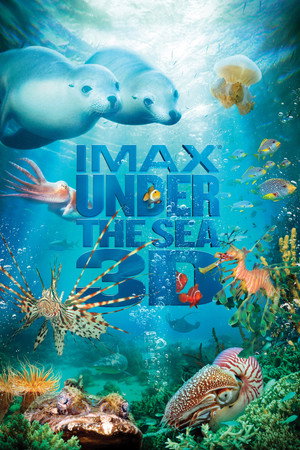
The Indonesian archipelago in the Indo-Pacific Ocean comprises thousands of islands, atolls and the largest concentration of coral reefs in the world. This rich and varied environment is a product of a unique set of natural circumstances. The equatorial sun powers ocean currents among the tiny dots of land. Where the archipelago meets the western tip of New Guinea an intersection of ocean currects creates perhaps the world's richest reefs - in the region of the Rajah Ampat Islands. A coral reef houses a myriad of colors, shapes and patterns: from the bulb tentacle anemone which protects, and in turn is protected by, the brightly coloured clownfish; to the multi-branched gorgonian, home of the tiny pygmy seahorses.
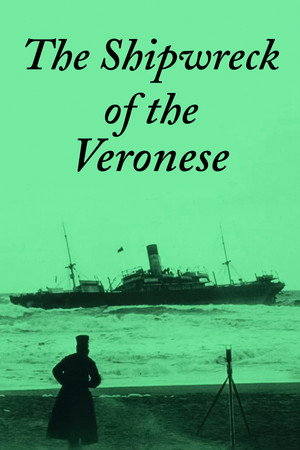
10 May 1943. Something is spotted drifting ashore off the coast of Northwest Donegal, Ireland. Something that would change the lives of the local people forever.
Marko Röhr's film crew takes the viewer to Europe's last unexplored area: Iceland's unique underwater world. We explore the geysers of boiling waters and the crystal clear lakes off the coast of Iceland. We dive under the icebergs, into the tears between the continental plates and into the deep caves.
Take a scenic trip through 1920s North Wales to the sea.
The documentary covers the entire maritime sector, its significance and contribution in the development in a country. Evergreen Media traveled from Karachi to Gadani, to Ormara to Gawadar ports, life of Creeks area, Fisheries, Shipyards, boarded the national flag carriers and landed at naval combat ships. The voyage unfolds the simple and straightforward steps to the prosperity of several nations. The marine sector plays a vital role in the economy of a country though it is seldom visible in everyday life and thus continues to be undervalued. Maritime activities are essential to trade and prosperity. They underpin our quality of life by facilitating the safe, reliable and low cost movement of foodstuffs, consumer goods and raw materials.
La Part des singes
Tradition and performance show us the physical relationship between man and animal when in combat.
Who invented time, who invented the clock? Why 1 hour, why 60 minutes, why 60 seconds? Since prehistoric times, man has sought to measure time, to organize social and religious life, to plan food supply... Today we can surf the Internet, geolocate, pay by credit card… All our daily lives depend on time and the synchronization of clocks. The history of the invention of time and of the ways and instruments to measure it is a long story…
The world is shared among two territories, two states of the being of opposite condition, get strained, are in crisis, to form, to shape what already exists. There’s a wall and there’s always someone who will go and look for what shit is on the other side and maybe on the other side you don’t find what expected. “La Brecha” is a movie that questions the whole concept of artwork while exposing the mechanisms of self-censorship and self-control of the creators at the time of producing their works.
Stanley Kubrick’s first color film, commissioned by the Seafarers International Union to promote the benefits of union membership. Shot inside the union’s Atlantic and Gulf Coast District facilities, it features scenes of ships, machinery, cafeteria life, and meetings, highlighting the daily routines and camaraderie of seafarers. Thought lost for decades, the film was rediscovered in 1973 and preserved by the Library of Congress.