An independent documentary about the unprecedented struggles of movie theaters and the film industry as a whole during the COVID-19 pandemic
In the land of axé music, old punks resist and live independently.
Celebrating the splendor and grandeur of the great cinemas of the United States, built when movies were the acme of entertainment and the stories were larger than life, as were the venues designed to show them. The film also tracks the eventual decline of the palaces, through to today’s current preservation efforts. A tribute to America’s great art form and the great monuments created for audiences to enjoy them in.
Paris, Latin Quarter. A small cinema that is both famous and marginal, Action Christine. The cashier has taken her camcorder and takes us to this public place, her workplace. Place of life, of passage, of meeting, a window open on the street, behind the hygienic phone, it is the daily life of the cashiers and the openers punctuated by the alternation of surging entrances and idle intersession.
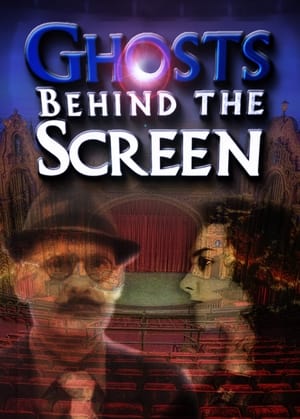
In the excitement of the roaring 20s, a new kind of movie palace was constructed by the Bay. More than 90 years later, Tampa Theatre has become known as one of the most haunted buildings in the city, This Documentary uncovers the rich history and explores the unexplained events with a Team of Historians, Ghost Hunters and Staff.
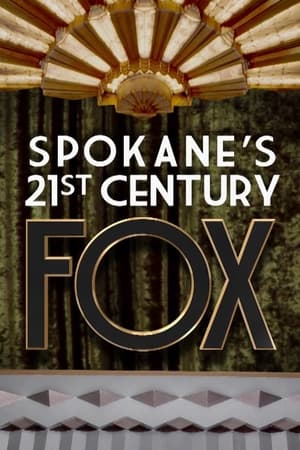
Opened in 1931, Spokane’s Fox Theater was the place to go, with a line around the block to view the latest Hollywood feature, usherettes in evening gowns, and famous performers on stage. After years of decline as a discount theater, the Fox was threatened with demolition in 2000 - until the community rallied to save it.
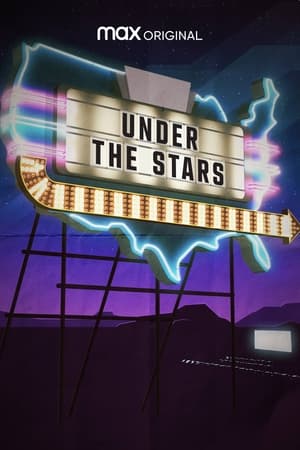
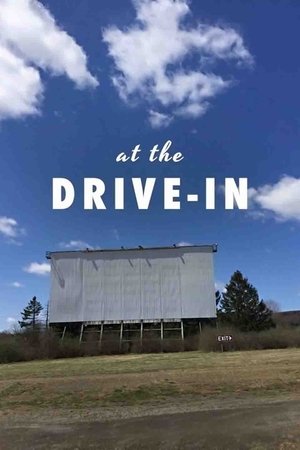
Paying tribute to some of America's only surviving drive-ins – and those who keep them running – this heartfelt documentary captures efforts to preserve these nostalgic theaters in small-towns across the country.
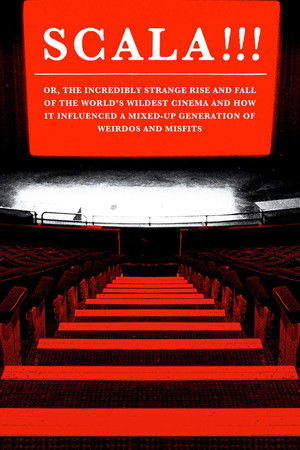
This feature-length big screen documentary tells the riotous inside story of the infamous sex, drugs and rock 'n' roll repertory cinema which inspired a generation during Britain's turbulent Thatcher years.
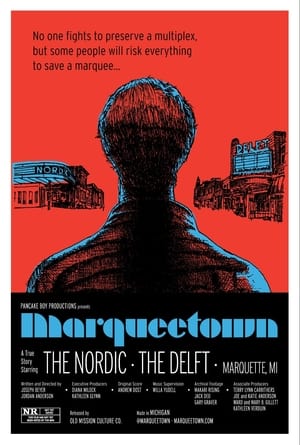
Through booms and busts, Delft Theatres and its innovative gem The Nordic endured in Marquette, Michigan for almost 100 years. Bernie Rosendahl’s crusade to restore the historic arthouse to its former glory reveals a hidden cinema empire in the Upper Peninsula.
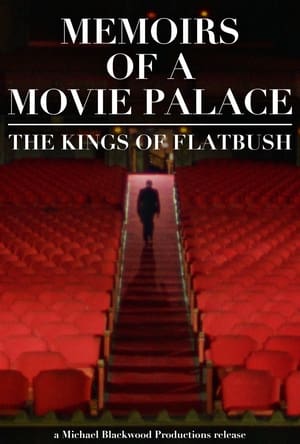
When Brooklyn's Kings Theater -- one of five "Wonder Theaters" in the New York area -- closed its doors in 1977, the neighborhood mourned. In a series of interviews, local aficionados of the palace as well as its projectionist, its organist, and former employees, reminisce about the Kings and its charmed days gone by.
Unable to purchase a $50,000 digital projector, a group of film fanatics in rural Pennsylvania fight to keep a dying drive-in theater alive by screening only vintage 35mm film prints and working entirely for free.
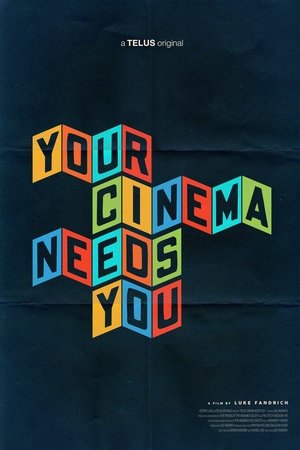
Your Cinema Needs You traces the origins of the Monarch Theatre, the rise and fall of its direct competitors, and its evolution in becoming Canada's oldest, surviving cinema since it first opened its doors on December 21, 1911.
This short film portrays the NFB's itinerant projectionists during the '40s and early '50s who travelled throughout Canada, bringing films and discussions to rural communities. The film uses a mix of dramatic re-enactments with archival footage and interviews with veterans of the movie circuit to shed light on an important period in Canadian film history.
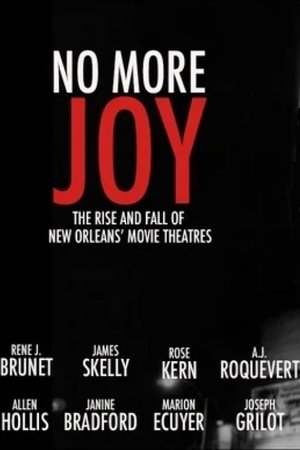
From the first movie nickelodeon on Canal Street in New Orleans at the turn of the century to the mega-plex theatres in the suburbs of the city, this film traces their history. With interviews from the people that were working in silent movie theatres to the visionaries that knew that "if you built them they will come", this is fascinating look at a history in a city that is a joy in everyone's memory.
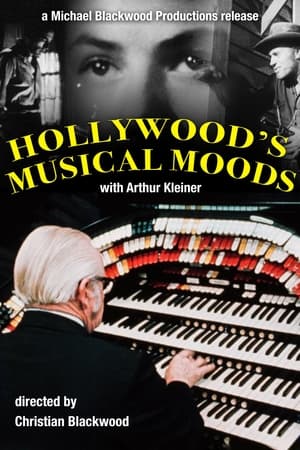
In the silent film era, movies were never really silent. In the background of films that made figures like Charlie Chaplin and Buster Keaton into cultural icons, were the musical giants whose compositions defined the very films that captivated a generation of movie-goers. Arthur Kleiner converses with the still-living legends from that bygone golden age of cinema.
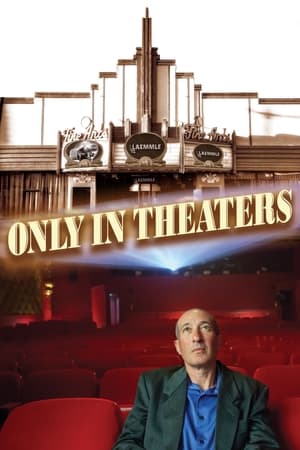
ONLY IN THEATERS, a film by actor/director Raphael Sbarge, is an intimate and moving journey taken with the Laemmle family, spanning nearly three years of challenges, losses, and personal triumphs. Laemmle Theatres, the beloved 84-year-old arthouse cinema chain 3rd generation family business in Los Angeles, is facing seismic change and financial pressure. Yet the family behind this multigenerational business – whose sole mission has been to support the art of film – is determined to survive.
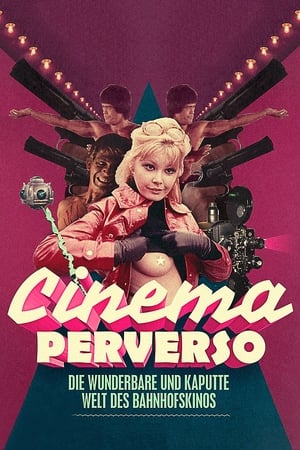
Before there were home video formats and the internet, the “Bahnhofskinos” (“Train station cinemas”) in West Germany regularly showed trash and erotica movies. Various filmmakers and especially contemporary witnesses recount in the documentary “Cinema Perverso – the wonderful and broken world of Bahnhofskino” their experiences and impressions.
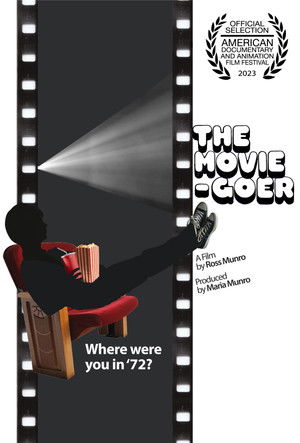
A filmmaker celebrates his inspiration for movies by recreating what it was like for his 9-year old self in 1972 when he journeyed downtown to spend a magical Saturday afternoon at the movies.
In the heart of the Finnish forest, the long-closed foundry of the little town of Karkkila has come back to life thanks to director Aki Kaurismäki and his creation of the town's first cinema. The peace and calm of the little town of Karkkila, nestled deep in the Finnish forest, is interrupted by unexpected sounds. In the abandoned foundry, noisy building work is taking place. Inside the building, Aki Kaurismäki is both builder and site manager of what is soon to become the Kino Laika cinema. The creation of the cinema is the talk of the town. In the factory still in activity, in a 1960s Cadillac, in a bikers' club, in the local pub, in the woods or in Aki Kaurismäki's former editing room, people start talking about cinema again.
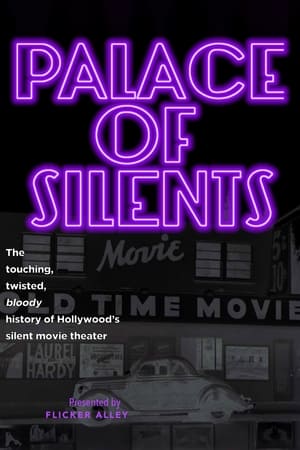
Built in 1942 by a maverick film preservationist, this small Los Angeles theater championed silent film at the very moment when the Hollywood studios across town were busily destroying their nitrate inventories. With hard chairs, phonograph-record accompaniments, and mostly original vintage prints, the dingy mom-and-pop operation was nonetheless a palace to the fanatical few who became its loyal audience.