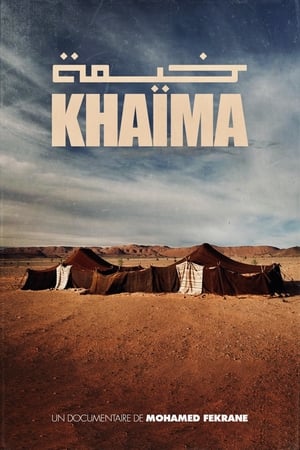
Shot on location in a very remote part of southern Morocco, this short film looks into the amazing craftsmanship and dedication of the Berber rug weavers in the region. These incredibly talented people are part of an ancient tradition that still employs centuries-old techniques to produce beautiful and unique handwoven rugs.
Out of State is the unlikely story of native Hawaiians men discovering their native culture as prisoners in the desert of Arizona, 3,000 miles, and across the ocean, from their island home.
Following the death of Amina Filali, a 16 year-old girl who killed herself after she was allegedly forced to marry the man who raped her, a young woman carries a personal investigation into the representation and perception of rape in Morocco. Here rapists are offered to marry their victims as a means to save the "honour" of the family. By liberating the voices of these victims, 475 : Break the Silence gives an unprecedented view of family, the deceit of love, relationships, marriage and honour in urban deprived areas of a country seeking to find its identity between modernity and tradition.
The film Desert View is dedicated to the study of building and living in the semi - built satellite city Madinaty, located in the desert east of Cairo. The movie was made during a four-week residency experiment, to which the filmmakers had invited the three-generation Barakat family from ashweyat (informal residential district) Bashtil as a sort of cinematic diary. The temporary residents of Madinaty, filmmaker and Barakat family, captured their observations and experiences of architecture and their use from their respective perspectives and cameras. Two external perspectives on the desert dreams of the Egyptian middle and upper classes.
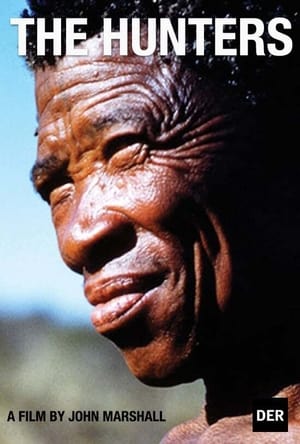
An ethnographic film that documents the efforts of four !Kung men (also known as Ju/'hoansi or Bushmen) to hunt a giraffe in the Kalahari Desert of Namibia. The footage was shot by John Marshall during a Smithsonian-Harvard Peabody sponsored expedition in 1952–53. In addition to the giraffe hunt, the film shows other aspects of !Kung life at that time, including family relationships, socializing and storytelling, and the hard work of gathering plant foods and hunting for small game.
Lila
Documentary that shows the changing attitude towards immigrant labor in The Netherlands. The documentary follows three immigrants that arrived in Holland 30 years ago to work in a bakery.
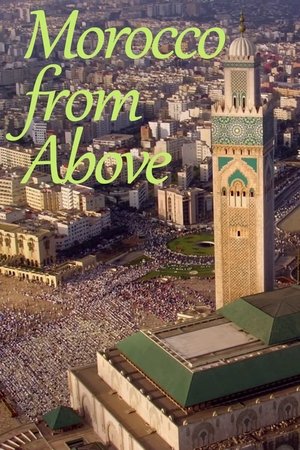
Yann Arthus-Bertrand flew over Morocco with his cameras and asked the journalist Ali Baddou to write and record the comment.
During the oppressive reign of Moroccan King Hassan II in the 70s and 80s (Years of Lead), many dissidents went missing. After the throning of a new king, a truth commission was formed in the 2000's. Families of the missing speak.
A humorous observation in Barcelona’s immigrant neighbourhood El Raval. Four barber shops, four places of remembrance, strange time and space capsules inhabited by people who left their home to find a better one, while the Spaniards are about to leave their own country themselves.
One of the world’s greatest ancient enigmas, the Nazca lines are a dense network of criss-crossing lines, geometric shapes, and animal figures etched across 200 square miles of Peruvian desert. Who created them and why? Ever since they were discovered in the 1920s, scholars and enthusiasts have raised countless theories about their purpose. Now, archaeologists have discovered hundreds of long-hidden lines and figures as well as evidence of ancient rituals, offering new clues to the origins and motivations behind the giant desert symbols.
ECHOES OF THE HEART IS THE FIRST SHORT FILM OF ECHOES TRILOGY THAT FOLLOWS SOUHAIL'S MUSIC PASSION IN PLAYING OUD IN A SMALL CITY.
Road documentary that delves into the musical and religious expressions of sub-Saharan Africa. Through Mauritania and Mali, the film documents the lives of Dogon, griots, musicians and instrument makers who, through oral accounts, explain why music plays a fundamental role in the socio-religious organization of peoples. The film culminates its search with the recording of the performance of the traditional Dogon mask dance, in Begnematou, a small village lost in the desert.
A mechanic discovers the fossil of a huge carnivorous dinosaur, unleashing a war between scientists, mayors and neighboring towns to keep “the biggest dinosaur in the world.” Among bone thefts, replicas and a mayor obsessed with creating Dinolandia, anything goes when it comes to surviving.
A couple of artists travels through the Mexico desert to present their puppet show.
An undercover documentary film produced and directed by British filmmaker Dominic Brown, about the struggle of the indigenous Sahrawi people of Western Sahara. The documentary covers the current human rights and political situation of the Sahrawi. There are several interviews recorded with human rights victims including an elderly lady who had been attacked in her home the previous day by Moroccan security forces. There is also a focus given to the alleged vested interests of countries in the region, particularly France. The film states that the French Government's close relationship with Morocco, their trade deals and their use of veto over the terms of the UN mission in Western Sahara are major factors.
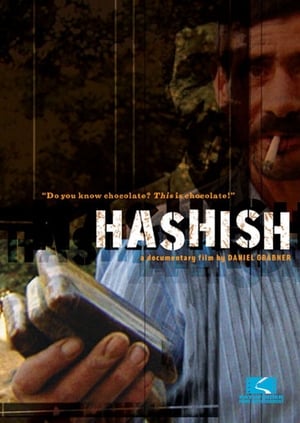
A small village high up in the mountains of Ketama, Northern Morocco. The life of the people here has been shaped by the drug hashish for centuries. Hashish as daily work, hash as exchange currency, hashish as business, hashish as basis and philosophy of a social system, hashish as medium for dreams and hashish as reason for stagnation.
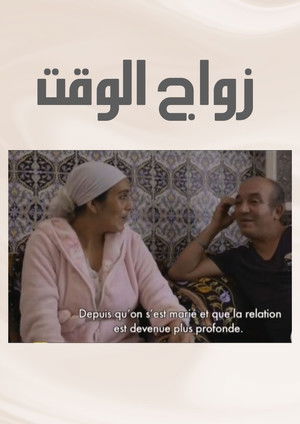
Zwaj El Waqt explores the themes of love and marriage in Morocco. Told through the testimonies of diverse couples, it tackles the issues of relationships, social media, control and sexuality in a conservative society that still struggles to discuss freely about those topics.
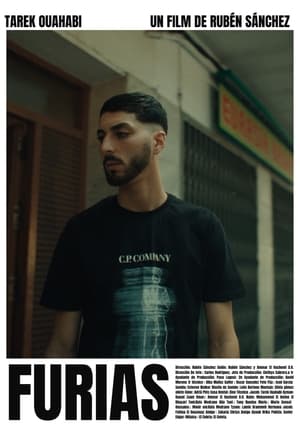
Samir longs for love and struggles to find prospects in a land of limited opportunities. He believes in a better future far away.
An intimate portrait of Matthew Shepard, the gay young man murdered in one of the most notorious hate crimes in U.S. history. Framed through a personal lens, it's the story of loss, love, and courage in the face of unspeakable tragedy.