The South Bank Show is a television arts magazine show produced by ITV between 1978 and 2010. A new series began on Sky Arts from 27 May 2012. Presented by Melvyn Bragg, the show aims to bring both high art and popular culture to a mass audience.
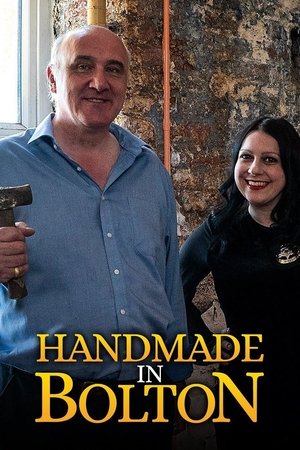
Shaun Greenhalgh and Dr Janina Ramirez research and remake a selection of precious objects from the past using traditional materials and methods.
Host Peter Barakan delves into various aspects of Japanese culture; exploring practices, history, and modern innovations in such areas as ramen, rice, sushi, geisha, bonsai, and so much more. Local experts discuss their passions at fascinating length, and American Japanophile Matt Alt experiences the food, practices, and cultures in each episode in depth. Viewers will finish each half hour episode with a new understanding of an area of Japanese life through demonstrative videos and explanations, all delivered respectfully and true to the Japanese way of life.
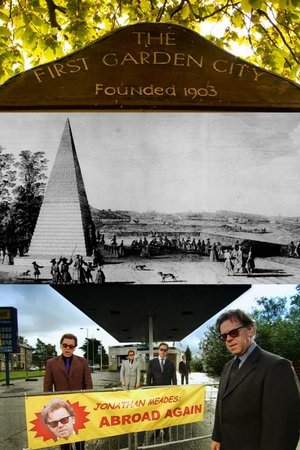
Jonathan Meades Explores architecture and the British psyche once again in this series.
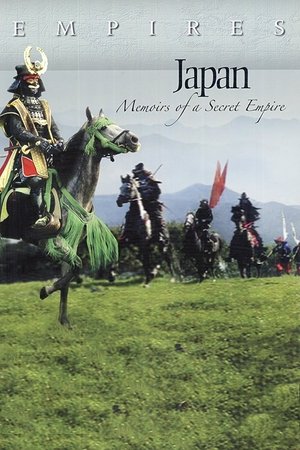
Commanding shoguns and samurai warriors, exotic geisha and exquisite artisans—all were part of the Japanese “renaissance”; a period between the 16th and 19th Centuries when Japan went from chaos and violence to a land of ritual refinement and peace. But stability came at a price: for nearly 250 years, Japan was a land closed to the Western world, ruled by the Shogun under his absolute power and control. Japan: Memoirs of a Secret Empire brings to life the unknown story of a mysterious empire, its relationship with the West, and the forging of a nation that would emerge as one of the most important countries in the world.
This monthly half-hour series is the work of Akron producer Blue Green, who says, “The goal of the show is to shine a spotlight on all of the good things that Akron has to offer.” Green noted that the city of Akron is a wonderful place in which to live, work, stay and play, but he feels “to truly be a great city, we need our own Akron-based news and local television programming.” Each show consists of four stories, including segments on dining, arts and culture, history, business, and movers and shakers.
The timeless heart of Japan's ancient capital. Against its rich backdrop of culture and tradition, today's Kyoto continues to innovate and inspire.
Dans un cinéma près de chez vous
Jonathan Meades scrutinises the 95 per cent of France that Brits drive through and don't notice en route to the 5 per cent that conforms to their expectation
Forests cover close to 70 percent of Japan's land area. Japan's climate varies significantly from north to south, making it home to diverse forests. These forests have been an intrinsic part of Japanese culture since time immemorial.
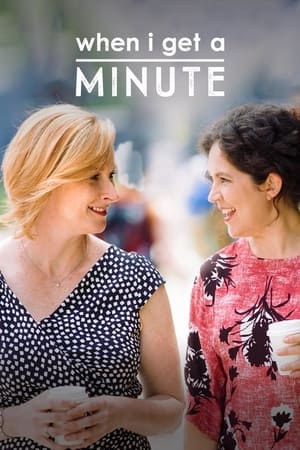
When I Get A Minute is a review series for the very busy hosted by two of Australia's most time-poor media personalities Annabel Crabb & Leigh Sales. Join them as they talk about the best & worst.
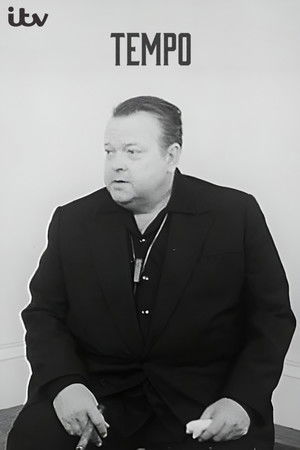
A long-running ITV arts and culture series that aired from 1961 to 1968, Tempo was a landmark British television programme dedicated to the performing and visual arts. With a flexible magazine format and an open editorial remit, the series explored cinema, music, dance, photography, literature, theatre, and contemporary cultural life. Combining intellectual ambition with accessible presentation, Tempo established a model for serious arts broadcasting on commercial television and laid the groundwork for later landmark programmes such as Aquarius and The South Bank Show.
A BBC TV cultural review show featuring celebrity interviews.
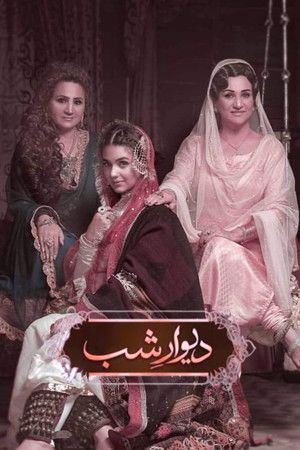
Based on the novel of the same name by Aliya Bukhari, Deewar-e-Shab tells the story of three generations of courtesans' day-to-day struggles in the previously lively Sitara Mahal.
WWII in HD is a 10-part American documentary television miniseries that originally aired from November 15 to November 19, 2009 on the History Channel. The program focuses on the firsthand experiences of twelve American service members during World War II, including an Army nurse, a member of the Tuskegee Airmen, a second generation Japanese American and prisoner of war, and an Austrian Jewish immigrant. The twelve members recorded their time in both theaters and some had later interviews; found footage from the battlefield was paired with the stories of the twelve service members. The episodes premiered on five consecutive days, with two episodes per day. The series is narrated by Gary Sinise and was produced by Lou Reda Productions in Easton, Pennsylvania, United States.
Oregon Field Guide is a weekly television program produced by Oregon Public Broadcasting focusing on recreation, the outdoors, and environmental issues in the state of Oregon. Part of the Oregon zeitgeist, it is produced and hosted by Steve Amen. Named for the field guides used to identify plants, animals, and natural phenomenon, the wide-ranging series covers Oregon natural history, outdoor recreation, conservation, agriculture, rural life, and other local subjects. Produced with deep narratives rather than short segments, 13 half-hour and one full-hour episodes are shown per year.
The Henry Ford’s Innovation Nation is a weekly Saturday morning show on CBS that showcases present-day change-makers from all over the world who are creating solutions to real needs. It is hosted by news correspondent and CBS Sunday Morning regular Mo Rocca. Each episode presents stories related to the process of innovation and also includes one story on The Henry Ford—its Archive of American Innovation, its unique visitor experiences and its unparalleled expertise. The intent is to stimulate curiosity and to inspire audiences with entertaining yet educational stories about yesterday and today’s visionaries and turning points that changed the course of history, as well as innovations and inventions that are changing the world today. The Henry Ford’s Innovation Nation is produced in partnership by The Henry Ford and Litton Entertainment, a leading independent production and distribution company.
Super-sized transport jobs require even bigger trucks to perform them. Lifting the lid on the heavy recovery business, featuring industrial strength trucks capable of towing and lifting the biggest and heaviest machines on the nation's roads.
A boy’s brutal murder and the public trials of his guardians and social workers prompt questions about the system’s protection of vulnerable children.
Based on the BBC factual series of the same name, Ambulance Australia follows NSW Ambulance service, from the NSW Ambulance Triple Zero Control Centre to paramedics on the road in series 1 and 2. Series 3 follows the Queensland Ambulance Service.