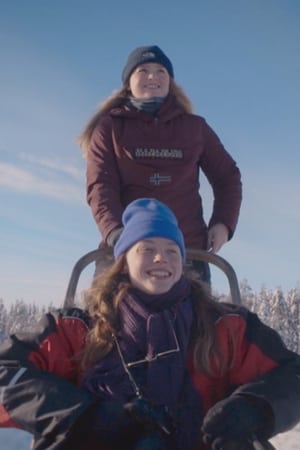
Lotte (18) and Roos (16) are sisters and both have Usher syndrome. That means they will soon become deaf and blind. It is not known how fast that will go, but they already see and hear a lot worse than their peers. How do these two high-spirited girls deal with their development into adulthood, while the time bomb of deafness and blindness ticks inexorably? They are not deterred from getting the most out of life: Lotte is studying to become a photographer and Roos is passing her final exams. At the same time, they also want to do a few things before it is too late, such as seeing the Northern Lights with their own eyes. Director Kim Smeekes followed Lotte and Roos for the film for two years.
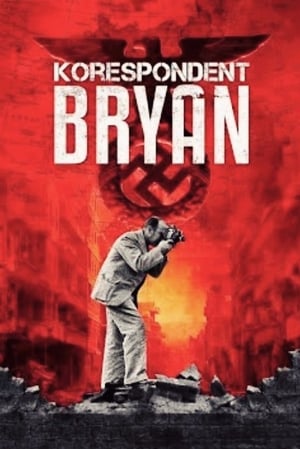
The film is based solely on footage shot in Warsaw in 1939 by Julien Hequembourg Bryan. This American filmmaker and photographer documented life in Poland, the Soviet Union and Nazi Germany between 1935 and 1939. Following the outbreak of the Second World War, he arrived in Warsaw, where he shot a number of films documenting the city under siege, and is said to be the only foreign correspondent in the Polish capital at the time. Bryan also took the first colour photographs of wartime Warsaw.
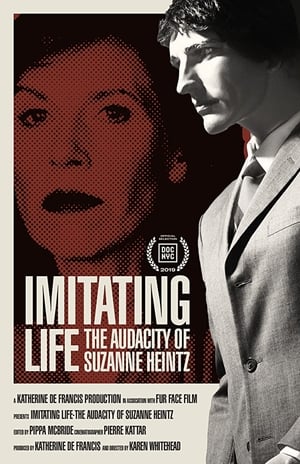
Satirical artist and art director, Suzanne Heintz, adopted her fake family more than 15 years ago to challenge persisting stereotypes about women's lives.
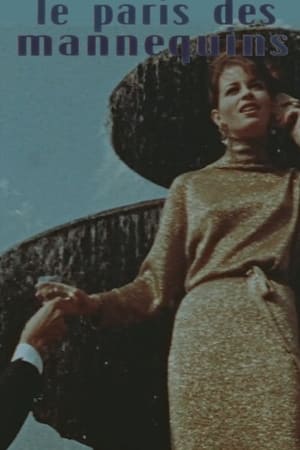
A photoshoot on the roofs and in the streets of Paris, under the astonished eyes of the inhabitants.
A camera crew follows Helmut Newton, the fashion and ad photographer whose images of tall, blond, big-breasted women are part of the iconography of twentieth-century erotic fantasy. He's on the go from L.A., to Paris, to Monte-Carlo, to Berlin, where he was a youth until he escaped from the Nazis in 1936. We see him on shoots, interviewing models, and discussing his work.
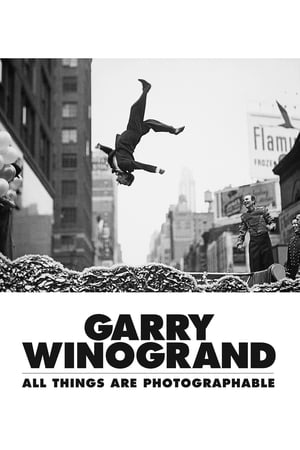
Freyer Artist. Iconoclast. Man of his time. All Things are Photographable is a revealing documentary portrait of the life and work of acclaimed photographer Garry Winogrand – the epic storyteller in pictures of America across three turbulent decades.
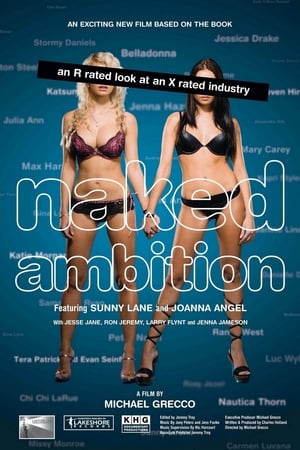
Noted celebrity photographer, Michael Grecco, sets out to capture the essence of the AVN Awards and Convention where the best in American Pornography is displayed, celebrated and honored.
Documentary examines the different paths taken by brothers Edward & Asahel Curtis in their photographs of Northwest Indians and Yukon explorers, as well as their influence on Seattle & Washington state
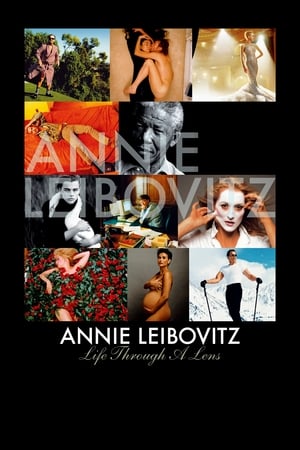
An account of the professional and personal life of renowned American photographer Annie Leibovitz, from her early artistic endeavors to her international success as a photojournalist, war reporter, and pop culture chronicler.
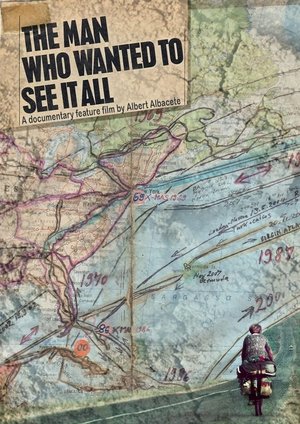
Heinz Stücke left Germany in 1962 with a bike, a tent and a goal: to see everything in the world. Now for the first time in 50 years, he's come home.
A film centering on the life and work of Ron Galella that examines the nature and effect of paparazzi.
Andrzej Różycki's film is not only a portrait of Zofia Rydet, a female artist, and her working methods, but also a capture of maturity and great passion. Rydet lets the viewer into her world, allowing them to observe her and peek in without restrictions. With great calm, she talks about the anxieties that accompany old age, the inevitable processes associated with it, which, however, are unable to stop her enormous desire to capture moments that pass irretrievably. Rydet's mission is endless, just as the roads she photographed are endless. The artist's skills were a way of life for her; thanks to them, she created, got to know people, saw beauty, shared it, loved, observed the changing landscape, and communicated everything that words cannot express.
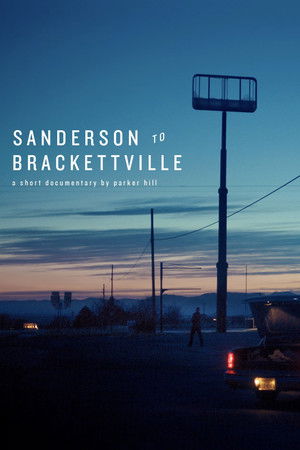
Inspired by films like Wim Wenders' Paris, Texas and David Byrne's True Stories, photographer Jason Lee set out to document residual American landscapes across Texas in early 2017 with large format color films for his recently released book A PLAIN VIEW. This short documentary follows Jason on the road during a four-day stretch in West Texas.
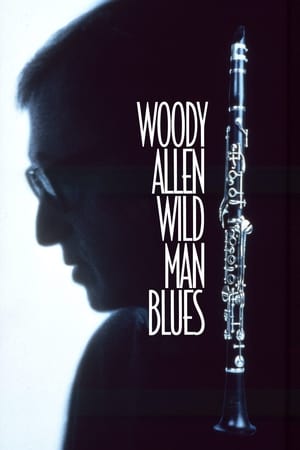
Wild Man Blues is a 1998 documentary film directed by Barbara Kopple, about the musical avocation of actor/director/comic Woody Allen. The film takes its name from a jazz composition sometimes attributed to Jelly Roll Morton and sometimes to Louis Armstrong and recorded by both (among others). Allen's love of early 20th century New Orleans music is depicted through his 1996 tour of Europe with his New Orleans Jazz Band. Allen has played clarinet with this band for over 25 years. Although Allen's European tour is the film's primary focus, it was also notable as the first major public showcase for Allen's relationship with Soon-Yi Previn.
Revisit photographs created by Kentucky school children in the 1970s and the place where their photos were made. Photographer and artist Wendy Ewald, who guided the students in making their visionary photographs, returns to Kentucky and learns how the lives and visions of her former students have changed.
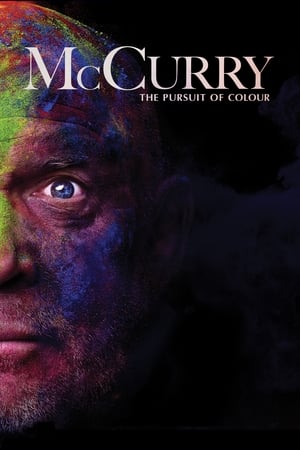
If something of import has taken place in our lifetimes, chances are that Steve McCurry has photographed it, from the wars in the Arab world to the 9/11 attacks. Denis Delestrac’s documentary on the photographer charts McCurry’s journey through a restless life spent on constant move, chronicling our times and living with the intense loneliness and trauma that came along with his work. Today, surrounded by a loving family, McCurry is finally home but never not in the pursuit of color.
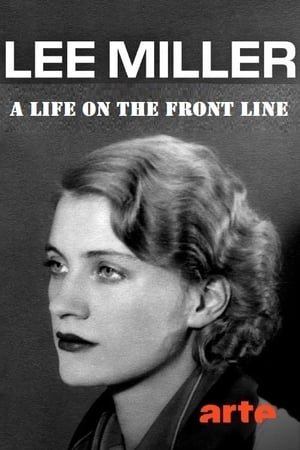
A documentary celebrating Lee Miller, a model-turned-photographer-turned-war reporter who defied anyone who tried to pin her down, put her on a pedestal, or pigeonhole her in any way.
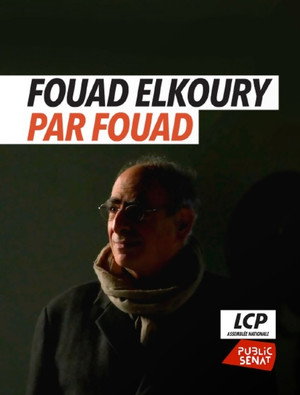
Fouad Elkoury's unique journey, between photojournalism and art photography, from his early days immersed in the complex and tragic history of Lebanon and the Israeli-Palestinian conflict, to his travels from the port of Marseille to Istanbul, from Turkey to Egypt, from the 1970s to the present day, punctuated by the photographs that made him famous. An intimate and privileged encounter with one of the greatest photographers in the Arab world, through his personal archives, his travel stories, and his life stories.
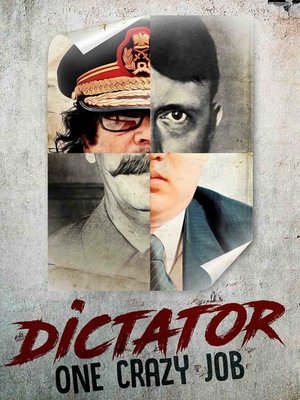
They’ve become the human face of inhuman barbarity. Leaders like Hitler, Idi Amin Dada, Stalin, Kim Jong Il, Saddam Hussein, Nicolae Ceausescu, Bokassa, Muammar Kadhafi, Khomeini, Mussolini and Franco governed their countries completely cut off from reality. These paranoid leaders were driven to abuse their power by the pathology of power itself. Dictators are driven by a relentless, thought-out determination to impose themselves as infallible, all-knowing and all-powerful beings. But they are also men ruled by their caprices, uncontrollable impulses, and reckless fits of frenzy, which paradoxically render them as human as anyone else. The abuses they committed were clearly atrocious, yet some of them were as outlandish as the characters portrayed in the film The Dictator. They sunk to depths worthy of Kafka: so incredibly absurd, they are outrageously funny.
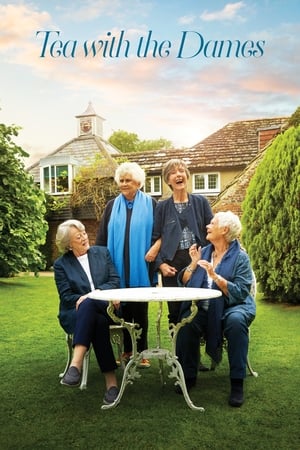
BBC Arena's documentary on the Dames of British Theatre and film featuring Maggie Smith, Eileen Atkins, Judi Dench and Joan Plowright on screen together for the first time as they reminisce over a long summer weekend in a house Joan once shared with Sir Laurence Olivier.