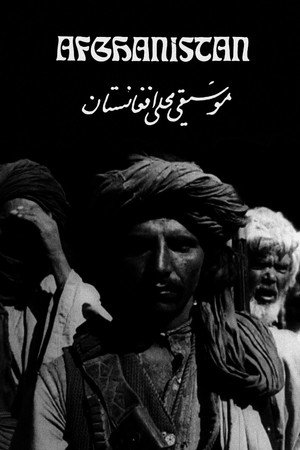
Over 90% of the world's opium now comes from Afghanistan. In this shocking new film, we ride the drugs caravan, from cultivation, to process, to market. On route, we lift the curtain on the hidden world of the drug barons; learn how to process heroin in the crudest of laboratories and encounter deadly gunfights on the Iranian border.
Unfolding over 18 monumental days in August 2021, this deeply immersive and emotional documentary combines never-before-seen archival footage from those on the ground at the airport with exclusive interviews with people who were there throughout the period, including Afghan citizens attempting to flee, U.S. Marines tasked with managing the evacuation, and Taliban commanders and fighters who had recently taken the city.
An in-depth look at the torture practices of the United States in Afghanistan, Iraq and Guantanamo Bay, focusing on an innocent taxi driver in Afghanistan who was tortured and killed in 2002.
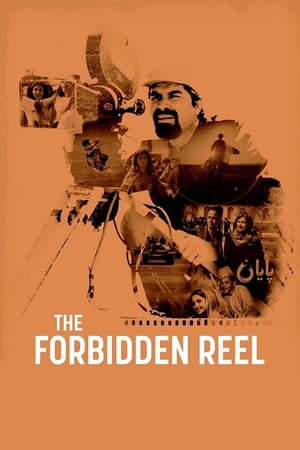
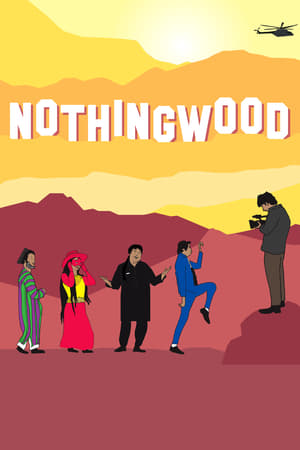
French documentarist Sonia Kronlund follows actor and director Salim Shaheen, an Afghan movie star who produced more than 110 low-budget movies in a country devastated by war.
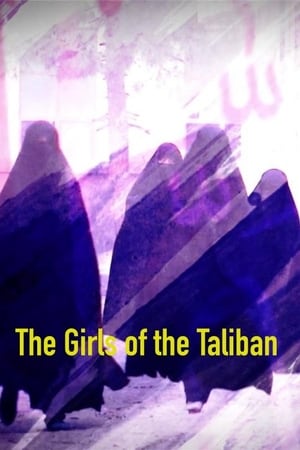
An undercover investigation focuses on the Taliban's crackdown on women in Afghanistan.
In 1960, acclaimed filmmaker James Ivory traveled to Afghanistan to shoot scenes for a documentary that was never completed. In 2022, he decided to revisit this unique footage, which takes him back to his adventurous youth.
10 years of continuous combat operations in Afghanistan. Around half a million of soviet military men went through this war. more than 14,000 soldiers and officers gave their lives fulfilling the international duty. more than 50 thousand were wounded. the wound inflicted by this war on an entire generation has not healed even 30 years later. there have been many attempts to tell the story of this war. but it is quite another thing to see it through the eyes of commanders. there were seven of them in those ten years. the legendary commanders of the 40th army, a magnificent seven who accomplished the impossible.
Afghanistan: From Ground Zero to Ground Zero is the story of Masuda Sultan, a 23-year-old Afghan-American woman who travels back to Kandahar, Afghanistan to see what has become of her country. Masuda is delighted to see the yoke of the Taliban lifted, but horrified to find out what happened to her family. Seeking refuge from the American bombing, a large number of her family escaped to the small village of Chowkar-karez, 60 miles north of Kandahar. On October 22, 2001 Chowkar-Karez was attacked by the American military. 41 civilians were killed. 19 of them were members of Masuda's family. Masuda, who supports America's effort against terrorism, wants to know why her family had to die in the desert.
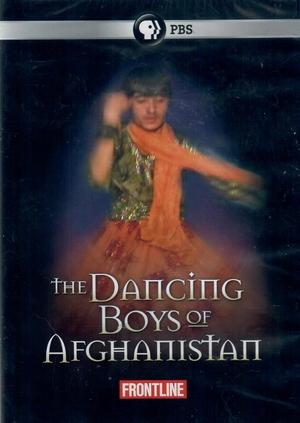
In Afghanistan many hundreds of boys, often as young as ten, are being lured off the streets on the promise of a new life.
Directors Hetherington and Junger spend a year with the 2nd Battalion of the United States Army located in one of Afghanistan's most dangerous valleys. The documentary provides insight and empathy on how to win the battle through hard work, deadly gunfights and mutual friendships while the unit must push back the Taliban.
Fidelis Cloer is a self-confessed war profiteer who found The Perfect War when the US invaded Iraq. It wasn't about selling a dozen cars, or even a hundred, it was a thousand-car war where security would become the ultimate product.
Five Afghan men try to reach Europe. The filmmakers followed them for over six months, filming their clandestine journey and chronicling a migration combining fantasy and stark reality, setbacks and achievements, in the midst of the dangers of such trips.
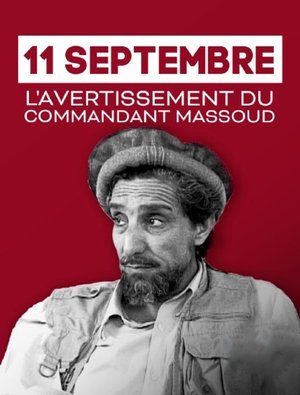
The friendship between Christophe de Ponfilly and Commander Massoud, a legendary figure of the Afghan resistance against the Soviet invader, goes back to the filmmaker's first film, "A Valley Against an Empire", made in 1981. Fifteen years later, weakened, isolated, betrayed by many of his own, the "Lion of Panshir" has not surrendered to his new and implacable enemies, the Taliban. While preparing his next offensive, he evokes his commitment and his fights, and bears witness to a history in which he has been one of the main actors for twenty years. At the same time, the director questions the role and power of the media, as well as his own approach as a filmmaker. Commander Massoud was killed in an attack in September 2001.
16 Days in Afghanistan is a documentary that documents the state of Afghan people after the fall of the Taliban.
Afghanistan le prix de la paix
On August 15, 2021, Afghanistan descends into chaos. In one day, the completion of the withdrawal of Western forces precipitated the debacle of the regime in place: the army vanished, the leaders fled and the Taliban took Kabul without a fight. The great Central Asian country opens a new chapter in its tragic history, twenty years after the "war on terror" launched by George W. Bush in response to the attacks of September 11, 2001. The undisputed masters of 40 million trapped Afghans, the "students of religion" are back and are savoring their revenge by posing as the United States' victors. Their program will surprise no one: to restore the Islamic emirate and set up the "true" sharia, i.e. a perfect world, with divine commandments applied to the letter as in the time of the prophet.
In 1989, Swedish journalist, Khazar Fatemi narrowly fled the war torn country of Afghanistan with her life. Twenty years later, the former refugee returned to the place that has always remained in her heart. Where My Heart Beats follows Khazar's dangerous, painful, and inspirational journey back home to reconnect with the amazing people of this broken nation.
As a young and idealistic war correspondent, Graeme Smith followed the troops into battle in Afghanistan. Now he returns to a place that gave him nightmares to see if there is hope for peace. Smith revisits old friends and acquaintances and sees the deep divisions in the country.
This film creates a real-life epic of boyhood and manhood that follows the same individual over 20 years, living in one of the most dangerous countries in the world. When we first meet Mir, he is a mischievous boy of seven living in a cave in central Afghanistan alongside the Buddhas of Bamiyan, two statues that were recently destroyed. For two decades, the film follows the adventures of his life, until, as an adult with a family of his own, he decides to pursue his own career as a news cameraman in Kabul. More than just a personal journey, My Childhood, My Country is an powerful examination of what has – and has not – been achieved in Afghanistan over the past 20 years.
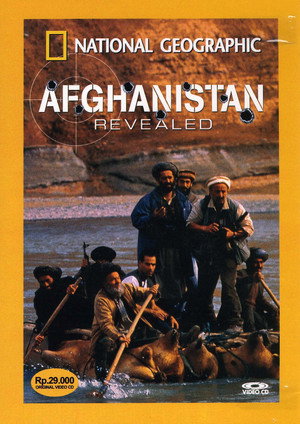
Take a harrowing journey with author Sebastian Junger and photographer Reza deep into Afghanistan for an in-depth interview with the assassinated resistance leader, Ahmed Shah Massoud. With never-before-seen footage, Afghanistan Revealed explores this war-torn country and the lives of its people as they continue their struggle against the Taliban.