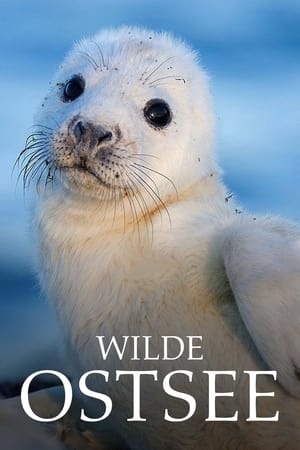
The nature of the Baltic Sea offers many surprises as demonstrated in the three-part series Wild Baltic Sea. From the Northern most tip of Denmark to the Curonian Spit, from the Estonian island world to the Bay of Bothnia. For the first time bottlenose dolphins and a Sowerby's beaked whale could be filmed in the Baltic Sea.
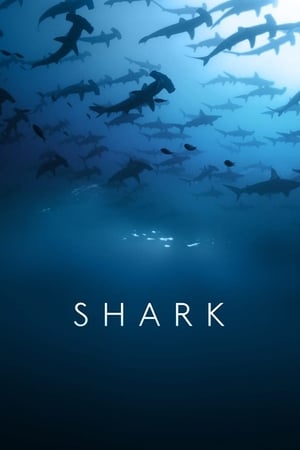
A major wildlife series on the sharks of the world with over thirty species filmed, showing how they hunt, intricate social lives, courtship, growing up and the threats they face.
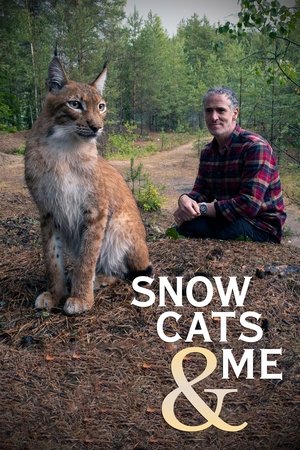
Gordon Buchanan helps cat expert Dr Victor Lukarevsky as he tries - for the first time ever - to rescue and rehabilitate lynx from the lucrative fur and pet trades back to the wild.
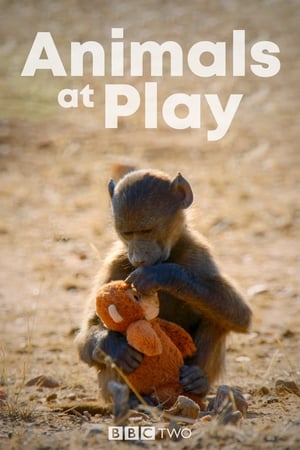
Young animals love nothing more than play. But science is now revealing the astonishing benefits animals gain from it. This series uncovers the secrets behind their games.
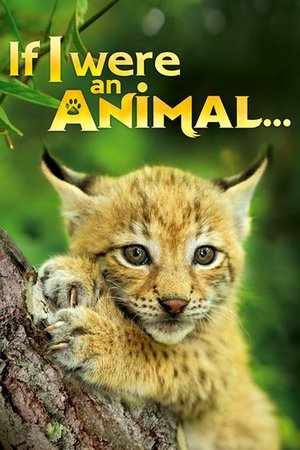
Curious kids Emma and her big brother Tim observe different animals as they make their way through various life milestones, from birth to adulthood.
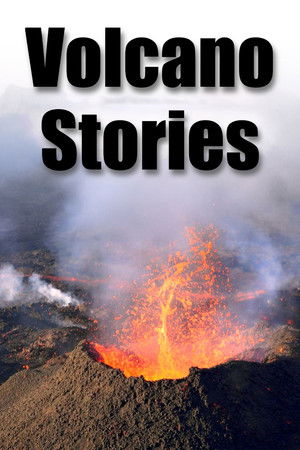
No two volcanoes are alike; each one has its own distinctive landscape, climate, and geological context. Just as unique are the people we meet along the way who help us comprehend how greatly our planet – and our lives – have been shaped by volcanic phenomena. For the scientific aspect of each episode, we explore the very diverse range of questions raised by volcanic phenomena in such varied fields as earth sciences, climatology, biodiversity, oceanography, geography, agronomics, and archaeology. The cultural part of the show delves into mythology, religion, philosophy, folk and artistic traditions, cooking, and ways of life.
The groundbreaking efforts of the team working to save the Scottish wildcat from extinction.
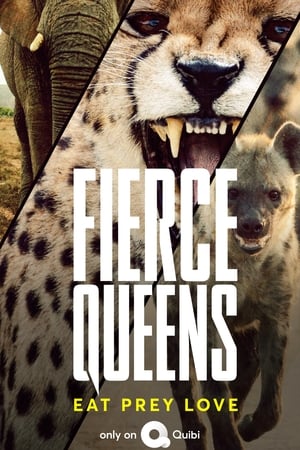
Explore phenomenal female animals: the rebel matriarchs, powerful leaders and dangerous lovers of the natural world.
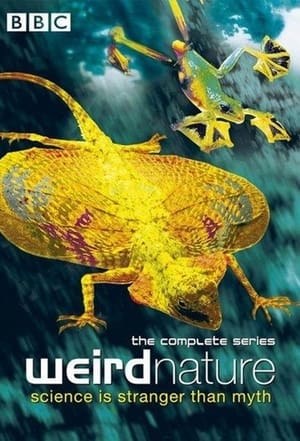
Weird Nature is a 2002 documentary television series produced by John Downer Productions for the BBC and Discovery Channel. The series features strange behavior in nature—specifically, the animal world. The series now airs on the Science Channel. The series took three years to make and a new filming technique was used to show animal movements in 3D. Each episode, however, tended to end with a piece about how humans are probably the oddest species of all. For example, in the end of the episode about locomotion, the narrator states how unusual it is for a mammal to be bipedal. In the episode about defences, the narrator explains that humans have no real natural defences, save for their big brains.
In this series, naturalist Chris Packham reveals the natural world in a way that you’ve never seen it before. For him, what is really beautiful about nature is not the amazing animals and plants that we share the planet with but the hidden relationships between them. These relationships may sound bizarre but without them, no life would be possible. Discover previously unknown relationships, like why a tiger needs a crab; or why a gecko needs a giraffe. Each week Chris visits one of our planet's most vital and spectacular habitats and dissects it, to reveal the secrets of how our living planet works.
Pouring out of Lake Victoria, the Nile bursts into life, growing vast with sandy banks and mighty rapids. Under the scorching sun, elephant herds leave the savannah to drink and bathe in the river. This three-part series explores all the different faces of the world’s most ultimate river.
Pet Rescue was a British daytime TV series broadcast on Channel 4. Launched in January 1997, it chronicled various pets and animals being rescued, cared for, and then either rehoused or returned to the wild. Produced by Bazal Productions/Endemol for Channel 4, and with a theme tune penned by Simon May, it ran to a set format, which developed little over time: ⁕A central presenter ⁕A location, based around an RSPCA office ⁕A couple of 'show' stories which were intertwined, and reached conclusion within that show - i.e.: animal rehoused/released into wild ⁕A longer story about a particular animal, species or animal issue The program closed with an "advert" for a particular animal which had spent a lot of time in a rescue home, which the public could call in to apply to rehouse. This later feature followed normal RSPCA rehousing procedures, and was not a "lottery". Presenters included: ⁕Mark Evans ⁕Tris Payne ⁕Matthew Robertson ⁕Wendy Turner Webster ⁕Helen Page Channel 4 axed the series in November 2002, shortly after it had reached its 1,000th episode. Repeats can now be seen on Animal Planet, National Geographic Wild, and DMAX. In 2005, Wendy Turner Webster re-recorded her voice over of the show, to keep viewers up to date with animals progress due to repeat airings.
Green Storytellers
Les Derniers Mondes Sauvages
Anthony Morgan explores the extraordinary ways that animals hear and produce sound, and the crucial role sound plays in the lives of animals around the globe - from birth to surviving adulthood and finding a mate.
Galapagos : The Edge of the World
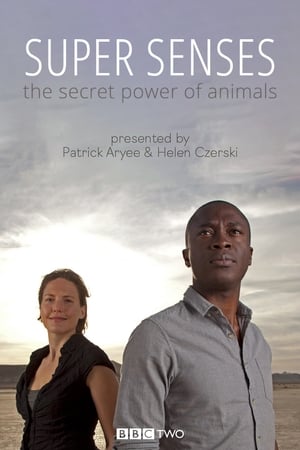
Biologist Patrick Aryee and physicist Helen Czerski go beyond the limits of human perception to explore the extraordinary and surprising world of animal senses.
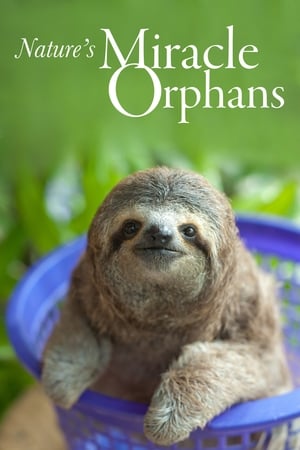
The first months of an animal's life are crucial - if they lose their mothers, they'll need help. Meet the wild orphans getting a second chance, and those devoted to saving them.
Professor Alice Roberts journeys 40,000 years back in time on the trail of the great beasts of the Ice Age. This was the last time that giants like mammoths, woolly rhinos, and sabre-tooth cats ruled the Earth and Alice attempts to reconstruct their lives in incredible detail.
Will Smith whose curiosity and wonder is positively infectious—is guided by National Geographic Explorers traveling to different corners of the world to get up close and personal with the weirdest, most unusual, dangerous and thrilling spectacles of the planet.