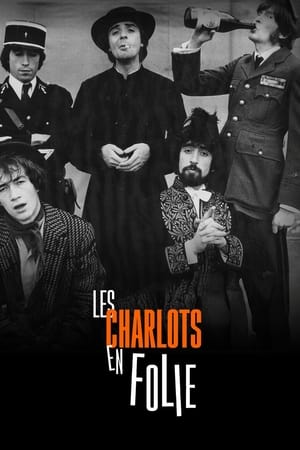
Documentary on Les Charlots, known as The Crazy Boys in the English-speaking world, a group of French musicians, singers, comedians and film actors who were popular in the 1960s, 1970s, and early 1980s.
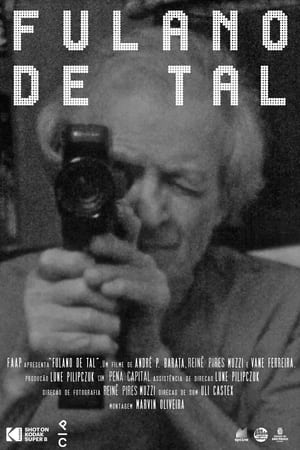
Fulano de Tal
A film-truth document. It presents the life of Luis, a man who wanders the streets of the city, going to and from work, contemplating the windows of a world he can never have and that invite him to consume, to dream.
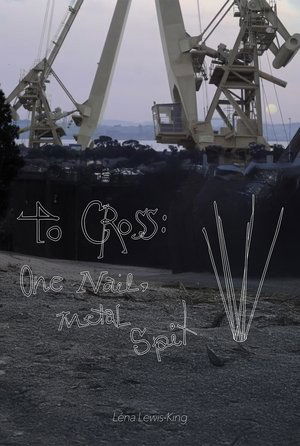
Filmed over a period of 3 years, this video work is a meditation on the borderline of the river Tejo, between Marvila and Barreiro. A psychogeographic piece that seeks out a feeling of doubt, inertia, and waiting. "Two sides, along the boundary line All the weight of the water above Metal arms extended to the heavens As if the sky was tilting to meet them And those giants again; Four by four . . . . all in a line, up against the tide."
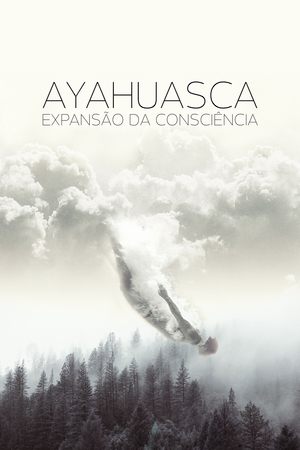
The story of Ayahuasca, from its emergence in the Amazonian Forest, to its popularity with the Santo Daime religion, and on to its arrival in urban centres. Combining scientific, religious and anthropological perspectives on the use of Ayahuasca in modern society, and in parallel with the director own healing process, for the first time, a holistic, yet balanced view of this controversial subject.
A short film made from photos of Boca do Lixo, a bohemian and marginal neighborhood, and its people.
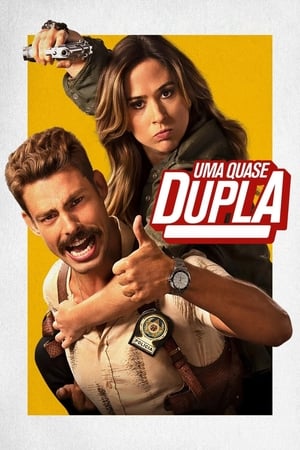
Keyla the police officer and the unprepared detective Claudio could not be more incompatible. However they are forced to form a duo to solve the series of mysterious murders that are happening in the quiet city of Joinlândia.
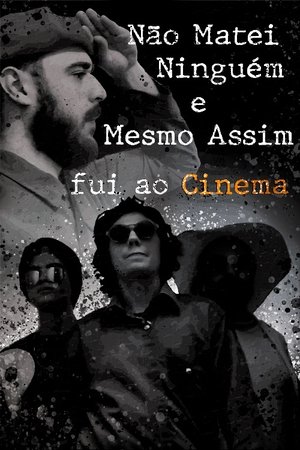
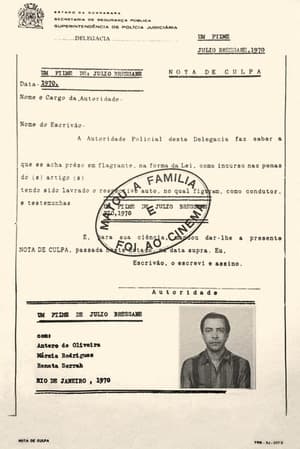
A man living with his parents in a low middle-class apartment in Rio de Janeiro coldly stabs them with a razor and then goes to the movies. Marcia, a rich and dissatisfied young woman, takes advantage of a trip from her husband to go to her home in Petrópolis, where she receives a visit from an old friend, Regina.
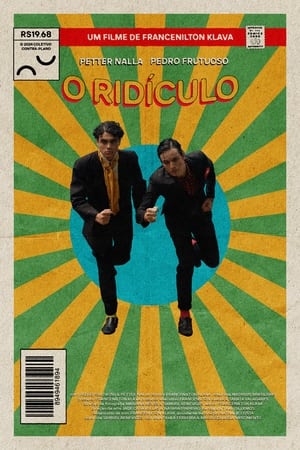
Rebels on the surface, retrogrades in essence. “The Ridiculists”, a duo composed of the eccentric and explosive, “The Ridiculer”, and his faithful squirer, “The Talker”, roam through the Brazilian capital breaking into homes, committing murders, as they create a legion of blind supporters along the way.
After receiving a letter calling for a secret conspiracy meeting, a woman is mistaken for a controversial policy and kidnapped by a pair of revolutionaries with no money for Uber. The three end up living together and witnessing the end of the world, the alien invasion and military intervention together.
MEDÉIA
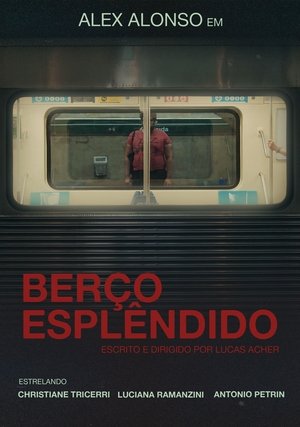
Berço Esplêndido
A lonely journalist lives locked in his apartment, consumed by the fear of being the next victim of a serial killer who targets media professionals. Semi-finalist – Serbest International Film Festival (SIFF), 2025
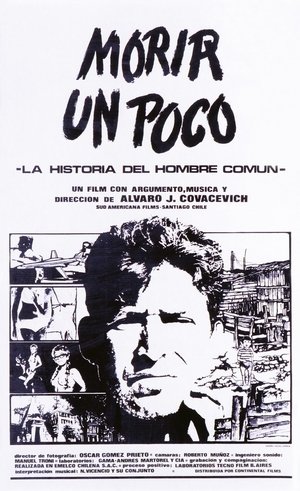
Não matei ninguém e mesmo assim fui ao Cinema
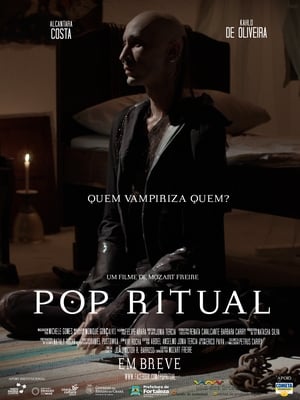
A priest captures and arrests a vampire. He visits him for a regime of scientific experiments and strangeness. Over time the encounters become a hallucinated erotic and supernatural relationship.
In this revised second edition of the ultimate critical guide to the work of Pink Floyd, you'll be privy to an embarrassment of riches from the band in concert, on record and on film, from "Wish You Were Here" to "Pulse." The program features the "last word" regarding reviews of both live and studio performances of songs from every Floyd album from the 21-year period, including "The Wall," "The Final Cut," "A Momentary Lapse of Reason" and more.
The film examines the death of the anarchist Giuseppe Pinelli, who fell from the fourth floor of the police headquarters in Milan December 15, 1969, after being stopped following the Piazza Fontana bombing.
The film documents the trade union battle of the workers of the Apollon printing house in Rome, occupied for a few months after the management decided to fire all the personnel and sell the land on which the factory was standing. In the form of a docu-fiction, the events of the long occupation are reconstructed, which began on June 4, 1967 and ended in December 1968. The workers play themselves and various other roles, but they are also co-authors of the film, which is not a simple chronicle of events, but an analytical reading of the reality of the factory, the story of the conquest of instruments of struggle and democracy, with the indication of strategies of attack on the bosses' power. The narrative voice of Gian Maria Volonté gives continuity to the story and comments on the events.
The film recounts the struggle of the factory workers of five Italian factories, Cagli, Coca Cola, Filodont, Luciani and Metalfer. A montage of interviews in which the workers denounce the hardships and difficulties of living without wages and put forward their proposals for getting out of the crisis and for change. The workers of the occupied factories decide to put up a tent in Piazza di Spagna to propagandise their struggle, but permission is denied by the Commissariat of Public Security. There are clashes with the police, who charge and use batons every time the workers try to set up the tent. Despite being injured and bruised, the workers do not give up until they get what they ask for: 'A tent in the square of Rome to remind the citizens - especially the wealthier classes - that there are workers in Rome without pay during the Christmas holidays'. In the end, the workers get what they ask for and the tent is finally raised amid applause and general satisfaction.
Director Agnès Varda and photographer/muralist JR journey through rural France and form an unlikely friendship.