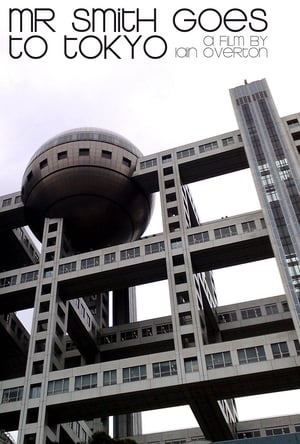
Tokyo, the largest city in the world, wants to create a new urban culture. It is returning to the urban traditions and building techniques of the small town. The aim is to create a new balance between megacity and small-scale garden city. Tokyo's architects are the driving force. They want to create a new urban culture with revolutionary ideas.
"Woodstock - Mais Que Uma Loja" tells the story of the Woodstock Discos store, a stronghold considered ground zero for heavy metal in São Paulo and one of the pioneers of the style in Brazil.
The Favela Pacification Program was launched in 2008 to reduce crime and drug trafficking in Rio de Janeiro, Brazil. In April 2015 however, police shot and killed 10-year old Eduardo in Complexo do Alemão, causing uproar in that community. Alemão and other pacified communities began to realise that the program had become the very thing it was designed to destroy. Taking place in the build to the 2016 Olympic Games, this is the side of Rio that you have never seen before.
Sundance award-winning director Julia Kwan’s documentary Everything Will Be captures the subtle nuances of a culturally diverse neighbourhood—Vancouver’s once thriving Chinatown—in the midst of transformation. The community’s oldest and newest members offer their intimate perspectives on the shifting landscape as they reflect on change, memory and legacy. Night and day, a neon sign that reads "EVERYTHING IS GOING TO BE ALRIGHT" looms over Chinatown. Everything is going to be alright, indeed, but the big question is for whom?
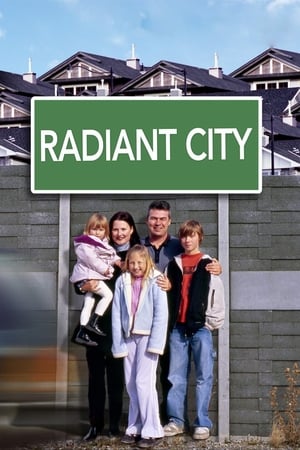
Since the end of World War II, one of kind of urban residential development has dominate how cities in North America have grown, the suburbs. In these artificial neighborhoods, there is a sense of careless sprawl in an car dominated culture that ineffectually tries to create the more organically grown older communities. Interspersed with the comments of various experts about the nature of suburbia
Lacey Schwartz grew up in a typical upper-middle-class Jewish household in Woodstock, NY, with loving parents and a strong sense of her Jewish identity - despite the open questions from those around her about how a white girl could have such dark skin. She believes her family's explanation that her looks were inherited from her dark-skinned Sicilian grandfather. But when her parents abruptly split, her gut starts to tell her something different. At age of 18, she finally confronts her mother and learns the truth: her biological father was not the man who raised her, but a black man named Rodney with whom her mother had had an affair.
The faces, the gestures and speech of beggars, madmen and revelers passing through the streets of São Paulo. The sounds and images are illustrated with Frantz Fanon extracts.
Un printemps de square
Doces Relatos
The story of Ayahuasca, from its emergence in the Amazonian Forest, to its popularity with the Santo Daime religion, and on to its arrival in urban centres. Combining scientific, religious and anthropological perspectives on the use of Ayahuasca in modern society, and in parallel with the director own healing process, for the first time, a holistic, yet balanced view of this controversial subject.
The documentary portrays the collective traumas of the militarization of Rio de Janeiro’s favelas occupied by the Armed Forces during the mega sporting events. Through voices from within the favelas, the film documents the struggle for justice and reparation for victims of human rights violations.
Genuine connections between children and nature can revolutionize our future. But is this discovery still possible in the world's major urban centers? The new chapter of "The Beginning of Life" reveals the transformative power of this concept.
A sophisticated and beautifully constructed account of landscape change in and around Paris in the early 1960s. The film raises complex issues about the meaning and experience of modern landscapes and the enigmatic characteristics of features such as canals, pylons and deserted factories. Rohmer also explores the role of landscape within different traditions of modern art and design and refers to specific architects, artists and engineers.
Before its economic decline, Detroit was a major metropolis. Now, in the 2000s, the young people of the Motor City are making it their own DIY paradise where rules are second to passion and creativity. Johnny Knoxville tours the city to meet some of the people who are creating a new Detroit on their own terms, against real adversity.
Rota ABC is a documentary essay about the desires and perspectives of youth living in the industrial suburb of São Paulo, directed by Francisco Cesar Filho and produced by Anhangabaú Produções, with a soundtrack by the punk rock band Garotos Podres.
A poetic and personal cinematic meditation on displacement and loss, SKIN OF GLASS follows filmmaker Denise Zmekhol’s journey after discovering that her late father's most celebrated work as an architect, a modernist glass skyscraper in the heart of São Paulo, Brazil, has become occupied by hundreds of homeless families.
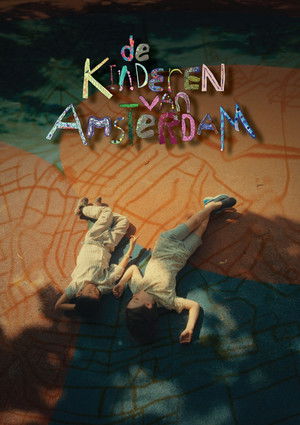
The past collides with the present in this excavation of the Nazi occupation of Amsterdam: a journey from World War II to recent years of pandemic and protest and a provocative, life-affirming reflection on memory, time and what's to come.
A rampant, street level story of mentorship and everyday heroism in tough circumstances. An inner city coach's son, estranged in his youth from his father, spends five years on ball fields in inner city Oakland and Havana, following the lives of two extraordinary youth baseball coaches, Roscoe in Oakland and Nicolas in Havana. The coaches meet on videotape and two years of red tape later, Coach Roscoe and nine Oakland players travel to Havana to play Coach Nicolas' team. For one week, the players and coaches eat, dance, swim, argue and play baseball together. But when the parent of an Oakland player is murdered back home, it brings back the inescapable reality and challenges of life in an American inner city.
This documentary explores the complexities of Los Angeles. Blending a highly structured montage of shots exploring the city with interviews of students, the writer Henry Miller, and residents from all communities, this evocation of Angelenos' city paints a portrait of a living, constantly evolving entity.
Since the fall of Saigon in 1975, Vietnamese refugees have built the largest Vietnamese community outside of Vietnam, in Orange County, California. In 1999, "Little Saigon" burst onto the national stage when a store owner displayed a poster of Ho Chi Minh, triggering protests by Vietnamese Americans struggling to reconcile their past demons with their present lives. Saigon, U.S.A. uses this moment to examine this community's changing identity and growing empowerment.