In 1994, the Zapatista National Liberation Army, made up of impoverished Mayan Indians from the state of Chiapas, took over five towns and 500 ranches in southern Mexico. The government deployed its troops and at least 145 people died in the ensuing battle. Filmmaker Nettie Wild travelled to the country's jungle canyons to film the elusive and fragile life of this uprising.
A 6-year-old Tibetan boy leaves his family and flees to a refugee camp in northern India.
This documentary explores the history of Canada’s first major migration of non-European and non-white refugees who arrived in 1972 when Ugandan President Idi Amin expelled all South Asians from the country. Their story of struggle and hope became part of Canada’s conversations about refugees and cultural pluralism, and informed the Canadian response to future refugee movements.
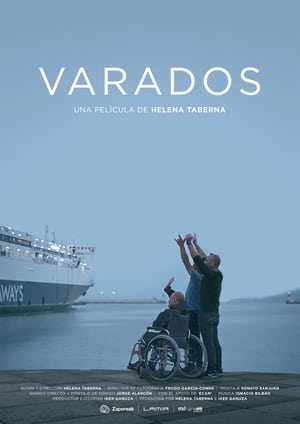
In the Mediterranean, the sea on which our civilization was founded, miles of refugees await Europe to welcome them. "Stranded" approaches the daily life of these long-term refugees, in occupied buildings or in refugee camps At the gates of Europe these people try to keep hope alive while they live.
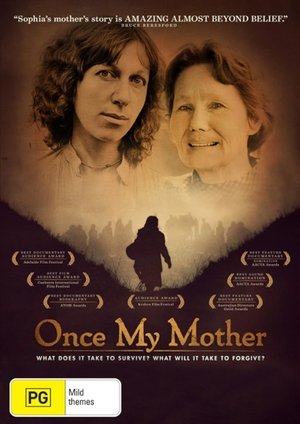
Australian filmmaker Sophia Turkiewicz investigates why her Polish mother abandoned her and uncovers the truth behind her mother's wartime escape from a Siberian gulag, leaving Sophia to confront her own capacity for forgiveness.
As the war wages on, Ukrainians under everyday threat find ways to live. A soldier returns home, a chaplain grapples with the weight of responsibility, and a mother grieves the loss of her family. These stories, amidst others, are a testament of Ukraine’s history, perseverance and plea to be remembered.
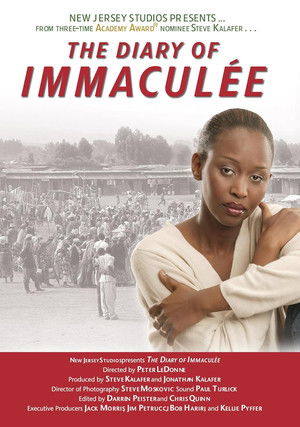
Peter LeDonne and Steve Kalafer chronicle the extraordinary life of Immaculée Ilibagiza, a young African woman who escaped genocide in Rwanda and ultimately found refuge in the United States. Seeking shelter with an Episcopalian minister, Immaculée hid from her attackers inside a bathroom for three long months but stayed centered through prayer and faith.
In focusing his attention on the competitors of Mr Gay Syria, director Ayse Toprak shatters the one-dimensional meaning of “refugee”. Using the pageant as a means of escape from political persecution, the organiser Mahmoud — already given asylum in Berlin — hopes to offer the winner a chance to travel as well as bring international attention to the life-threatening situations faced by LGBT Syrians.
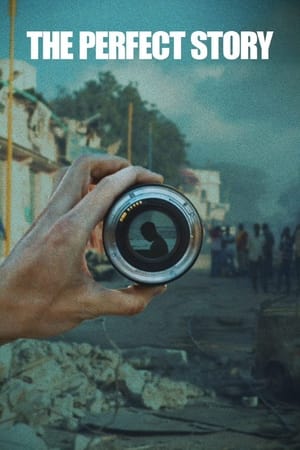
The Perfect Story offers a riveting, intimate look at the ethical and moral challenges sparked by the relationship between a foreign correspondent and a young Somali refugee. By revealing the boundaries of journalism and filmmaking, the film questions what stories are told, why, and who gets to tell them.
To cool the heat on the asylum debate - the biggest 'hot potato' in Australian politics, we took a hot potato food van around the country in the lead up to the 2013 Federal Election. The mission? To see what Australia really thinks asylum seekers. This is an account of this journey.
Drawing inspiration from his personal encounter with the Italian refugee child Giovanna during World War II, Markus Imhoof tells how refugees and migrants are treated today: on the Mediterranean Sea, in Lebanon, in Italy, in Germany and in Switzerland.
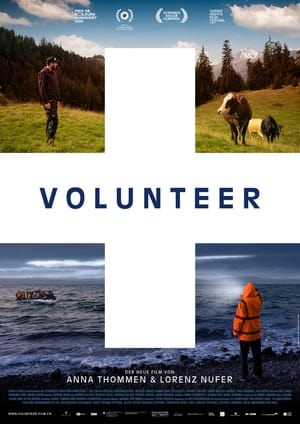
The Kurdish Iraqi poet and actor Zeravan Khalil travels with his dog through an Alpine gorge after fleeing from IS war and genocide. As he remembers the abomination, he writes a poem with the title “You drive me mad” in Kurmanji Kurdish. In his home country, Yazidic Kurds are forbidden to work in his profession. Then he eats his apple and wanders through Europe’s middle with more hope.
A documentary that follows Anya, a woman residing in Ukraine during the early stages of the war, who tells her story and contemplates how countries will treat her fellow Ukrainians who were forced to flee.
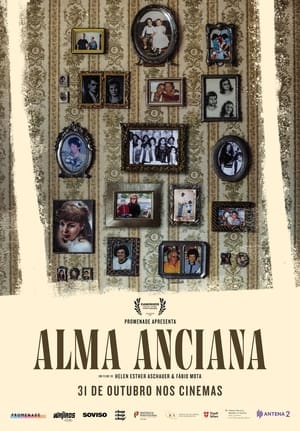
Three juxtaposing stories taking place in Portugal, Austria and Cuba create an intimate and poetic portrait of the daily lives and struggles of the elderly in an unstable world, seen through the eyes of their grandchildren.
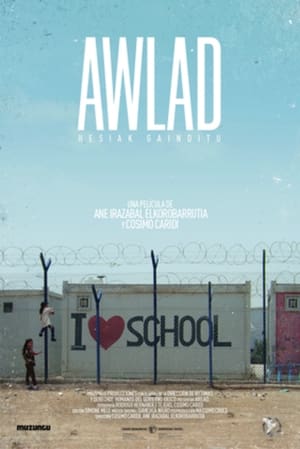
Řecké děti
More than 65 million people around the world have been forced from their homes to escape famine, climate change and war, the greatest displacement since World War II. Filmmaker Ai Weiwei examines the staggering scale of the refugee crisis and its profoundly personal human impact. Over the course of one year in 23 countries, Weiwei follows a chain of urgent human stories that stretch across the globe, including Afghanistan, France, Greece, Germany and Iraq.
In the nine months prior to World War II, 10.000 innocent children left behind their families, their homes, their childhood, and took the journey... to Britain to escape the Nazi Holocaust.
From 1957 to 1961 170.000 Algerians flee to Tunisia because of the war. Most of them walk by feet across the mountains and the desert, carrying only a few of their belongings in their hands or on donkeys. As there is no clay in the desert they cannot build ordinary houses. They have to live in pits in the ground, covered with canvas, but some are offered to stay in American army tents.
The lives of four Syrian families, resettled in Baltimore and under a deadline to become self-sufficient in eight months.
Recounted mostly through animation to protect his identity, Amin looks back over his past as a child refugee from Afghanistan as he grapples with a secret he’s kept hidden for 20 years.