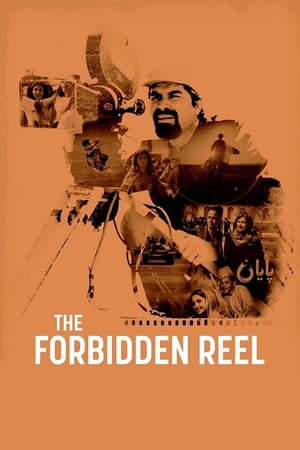
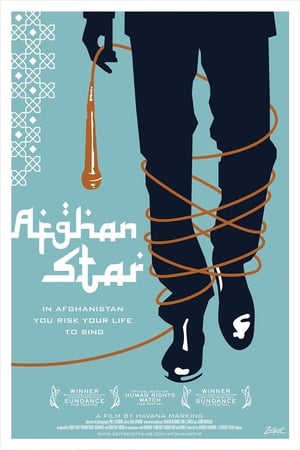
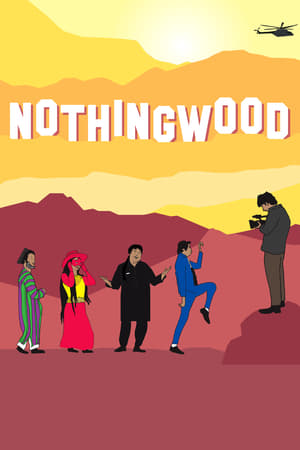
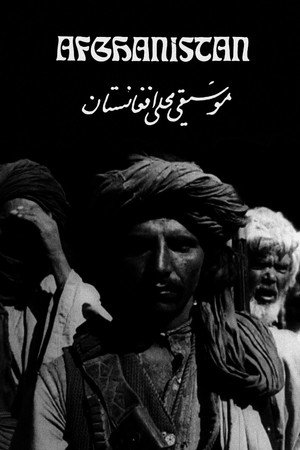
French documentarist Sonia Kronlund follows actor and director Salim Shaheen, an Afghan movie star who produced more than 110 low-budget movies in a country devastated by war.
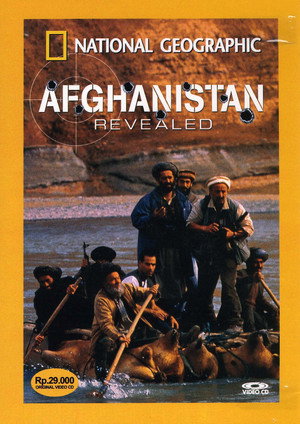
Over 90% of the world's opium now comes from Afghanistan. In this shocking new film, we ride the drugs caravan, from cultivation, to process, to market. On route, we lift the curtain on the hidden world of the drug barons; learn how to process heroin in the crudest of laboratories and encounter deadly gunfights on the Iranian border.
In 1989, Swedish journalist, Khazar Fatemi narrowly fled the war torn country of Afghanistan with her life. Twenty years later, the former refugee returned to the place that has always remained in her heart. Where My Heart Beats follows Khazar's dangerous, painful, and inspirational journey back home to reconnect with the amazing people of this broken nation.
The story of Shaista, a young man who—newly married to Benazir and living in a camp for displaced persons in Kabul—struggles to balance his dreams of being the first from his tribe to join the Afghan National Army with the responsibilities of starting a family. Even as Shaista’s love for Benazir is palpable, the choices he must make to build a life with her have profound consequences.
Afghanistan: From Ground Zero to Ground Zero is the story of Masuda Sultan, a 23-year-old Afghan-American woman who travels back to Kandahar, Afghanistan to see what has become of her country. Masuda is delighted to see the yoke of the Taliban lifted, but horrified to find out what happened to her family. Seeking refuge from the American bombing, a large number of her family escaped to the small village of Chowkar-karez, 60 miles north of Kandahar. On October 22, 2001 Chowkar-Karez was attacked by the American military. 41 civilians were killed. 19 of them were members of Masuda's family. Masuda, who supports America's effort against terrorism, wants to know why her family had to die in the desert.
Former elite Special Forces soldier Jason Fox embarks on a highly personal journey back to Afghanistan, nearly a decade after he last set foot in the country where he endured harrowing combat experiences during multiple tours of duty.
10 years of continuous combat operations in Afghanistan. Around half a million of soviet military men went through this war. more than 14,000 soldiers and officers gave their lives fulfilling the international duty. more than 50 thousand were wounded. the wound inflicted by this war on an entire generation has not healed even 30 years later. there have been many attempts to tell the story of this war. but it is quite another thing to see it through the eyes of commanders. there were seven of them in those ten years. the legendary commanders of the 40th army, a magnificent seven who accomplished the impossible.
Armed only with their cameras, Peabody and Emmy Award-winning conflict Journalist Mike Boettcher, and his son, Carlos, provide unprecedented access into the longest war in U.S. history: they are embed with U.S. troops during nine days of intense combat in Afghanistan.
As a young and idealistic war correspondent, Graeme Smith followed the troops into battle in Afghanistan. Now he returns to a place that gave him nightmares to see if there is hope for peace. Smith revisits old friends and acquaintances and sees the deep divisions in the country.
An insight into a girls' school in Afghanistan which imposes an even stricter interpretation of Islam than the Taliban.
"Inside the Talibans" - What will happen if the Talibans return to power? Swedish journalist Magda Gad travels the Herat and Wardak provinces of Afghanistan to meet with the Taliban fighters.
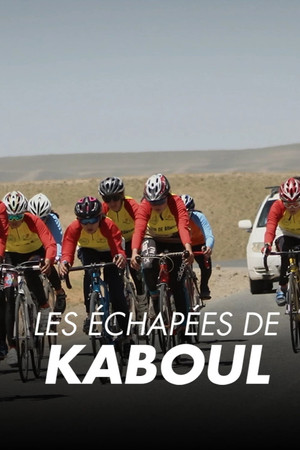
Les échappées de Kaboul
Documentary about the massacre of Bosniak army committed over soldiers of Republika Srpska during 1990s Bosnian wars.
This grisly documentary presents horrifying journalistic footage of suicides, assassinations, bombings, mob hits, decapitations, and more in bloody detail. Not for the faint of heart.
When NATO troops withdrew from Afghanistan, the Afghan National Army (ANA) took over control of Helmand Province, an extremely dangerous region where attacks by Taliban fighters are the order of the day. Security, much less peace, would seem to be unattainable; it is even difficult to find a common language in a country where everyone mistrusts each other. The directors of this film accompanied an ANA company during a year of frontline duty in Helmand. The soldiers are paid irregularly, there are not enough supplies and their equipment is substandard. They cannot fight a war with the equipment left behind by the ISAF.
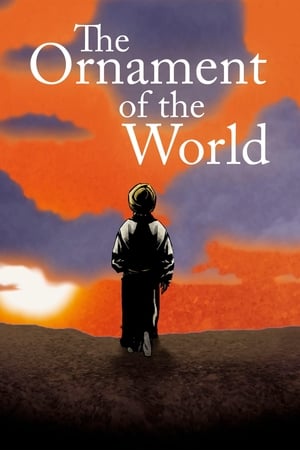
Recounted mostly through animation to protect his identity, Amin looks back over his past as a child refugee from Afghanistan as he grapples with a secret he’s kept hidden for 20 years.
The story of a country that is obliged to give up on its future... The documentary pictures the town of Tor famous for its coal mines located in the north of Afghanistan, which most of us haven’t even heard of, and the tragedy of the children that are obliged to work there.
À ciel ouvert
Fidelis Cloer is a self-confessed war profiteer who found The Perfect War when the US invaded Iraq. It wasn't about selling a dozen cars, or even a hundred, it was a thousand-car war where security would become the ultimate product.
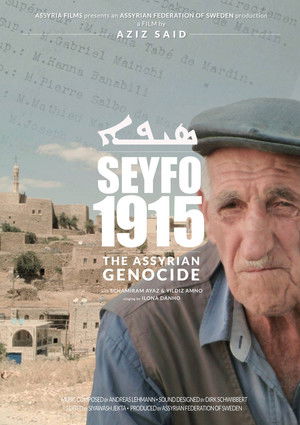
In the shadow of the First World War, the genocide of the Christian Assyrians took place almost unnoticed by the world public. This first systematic genocide of the 20th century was committed by the Young Turks (Ottoman Empire) and would not have been possible without the support of some Kurdish local rulers and their family clans. The Assyrians are the indigenous people of Mesopotamia and have lived in Mesopotamia for thousands of years. The film includes testimony from several European, Turkish and Assyrian historians, as well as genocide researchers, including Professor Taner Akcam, Dr. Gabriele Yonan and Professor David Gaunt. The film includes testimony from survivors of the genocide. Various journalists and publicists also have their say with well-researched information in this documentary. The Assyrians refer to the Genocide as "Seyfo" (ܣܝܦܐ), which translates as "sword".