Raiz e Alma
With this two-part feature documentary, Shlomi Elkabetz shares a poignant love letter to his sister, the late actress and director Ronit Elkabetz, and delivers a rare cinematic experience.
This is Black is a conversation with and for the black community. We aim to dismantle the stereotypes and get rid of the stigmas by telling a few people's stories! Embark on a journey of spoken word and true stories!
The Victorian era is often cited for its lack of sexuality, but as this documentary reveals, the period's artists created a strong tradition surrounding the classical nude figure, which spread from the fine arts to more common forms of expression. The film explains how 19th-century artists were inspired by ancient Greek and Roman works to highlight the naked form, and how that was reflected in the evolving cultural attitudes toward sex.
A four minute audio-visual journey of Athens Greece that has been time/hyper lapsed.
Shot shortly before and after the 2024 presidential election, 15 different people answer one question, "What will the United States be like in 10 years?"
In rocky Newfoundland, renowned French artist Jean Claude Roy gathers his paints and sets off to face the day. Whether it be freezing snow, violent wind, or pouring rain, he commits vibrant colors to canvas and conquers the day by weaving crooked beauty out of difficulties.
During the Vietnam War, the US bombed Laos more heavily than any other country had been bombed before. Today, the Lao people live among, and risk their lives to clear, over 80 million unexploded bombs on their doorsteps. With great beauty and empathy, this documentary reveals the unbelievable stories of the men and women at the forefront of this monumental task.
Documentary about the making of Sam Peckinpah's 1971 film "Straw Dogs."
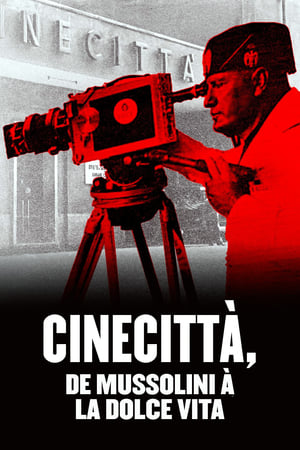
Cinecitta is today known as the center of the Italian film industry. But there is a dark past. The film city was solemnly inaugurated in 1937 by Mussolini. Here, propaganda films would be produced to strengthen the dictator's position.
Following the success of Dude, Where's My Bus? (2024), Gio Petti's new documentary The Train to Nowhere shifts focus from buses to rail, centring on the Line 2 expansion of Ottawa’s Light Rail Transit (LRT), a project that many commuters hoped would mark a turning point for transit in the city. The documentary follows Petti as he documents the circumstances surrounding the expansion, the project's transition to a hot-button political issue, and the broader impact on riders who depend on the various systems every day. It also explores themes of retaining optimism and taking charge for change in the transit system in the face of cynicism.
Portrait of the Italian sculptor Donatello (1386-1466), a precursor of the High Renaissance who considerably influenced sculptural art with his innovative way of conceiving space. Donatello is already a legend in his own lifetime. The sculptor is the forefather of the High Renaissance and pioneer for artists such as Raphael or Michelangelo. His bronze sculpture of the "David" or the "Pazzi Madonna" in marble are icons of art history and testify to his sculptural power of renewal.
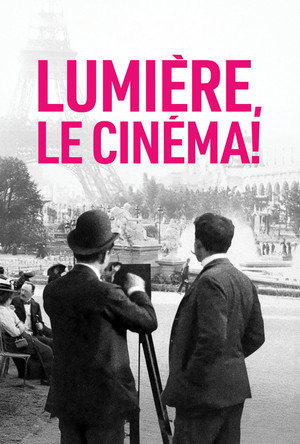
In one of those wonderful coincidences of history, lumière, the French word for “light,” was also the last name of brothers Auguste and Louis, whose brilliant invention, the cinematograph, helped to inaugurate the most beloved art form of the last 130 years. Institute Lumière director Thierry Frémaux uses Lumière, Le Cinema! to guide the viewer through over a hundred shorts—some famous, some forgotten, some never before seen—directed by Lumière and company. In the process, Frémaux illuminates how the brothers employed the camera as a creative instrument as they (and their operators) mastered framing, staging, and subject selection for quotidian and exotic microdocumentaries as well as the first ever fictional motion pictures. The result is not only a glorious re(telling) of the genesis of cinema but a profound meditation on the beautiful world captured—and the mysterious world imagined—by the Lumières.
Gatorville
Between 1968 and 1970, J M Goodger, a lecturer at the University of Salford, made a film record of the living conditions in the slums of Ordsall, Salford, which were then in the process of being demolished. Under the title 'The Changing face of Salford', the film was in two parts: 'Life in the slums' and 'Bloody slums'.
Filmed at the Museum of Fine Arts, Boston and the Tate Britain, London, the exhibition reveals Sargent’s power to express distinctive personalities, power dynamics and gender identities during this fascinating period of cultural reinvention. Alongside 50 paintings by Sargent sit stunning items of clothing and accessories worn by his subjects, drawing the audience into the artist’s studio. Sargent’s sitters were often wealthy, their clothes costly, but what happens when you turn yourself over to the hands of a great artist? The manufacture of public identity is as controversial and contested today as it was at the turn of the 20th century, but somehow Sargent’s work transcends the social noise and captures an alluring truth with each brush stroke.
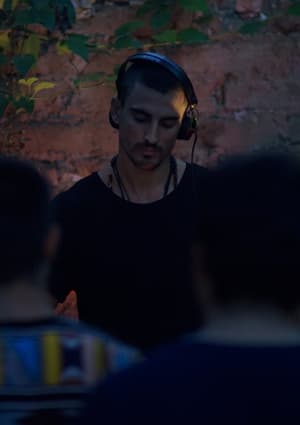
The Tipo Tranquilo parties arose from the initiative of three friends (Gabriel, Erick and Alejandro), who were looking for something different in the Guatemalan electronic scene. He realized several factors that affected deejays and true music lovers, for that reason they started this movement of having various parties in different places. Inviting friends in a hidden way, without much publicity, they can only be reached through a map.
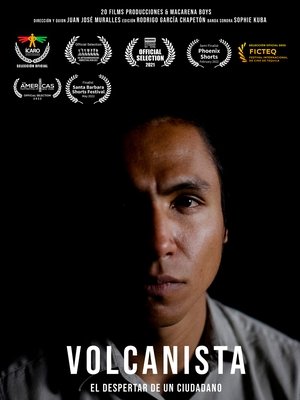
Jorge Luís Altuve is a young Guatemalan, passionate about mountaineering and a lover of his country. After the COVID-19 crisis and the lack of transparency in the execution of funds by the government of Alejandro Giammattei, he raised a wave of indignation that led thousands of Guatemalans to demonstrate. Jorge Luis attended the central square, when PNC agents began to intimidate the peaceful demonstrators. He and other citizens were arrested without having carried out an act of vandalism.
An inside look at the years of effort and craft that went into the final installment of the Duffer Brothers' generation-defining series.
Monte Hellman was born in 1932. By 1986 he made eight features, but had not directed for six years. I had made as many documentaries, but had not turned a foot of film through a camera for two years. I decided to break the silence by spending a day with him. Nine rolls were loaded into the camera. We talked until either we or the camera ran out.