Flubs and bloopers that occurred on the set of some of the major Warner Bros. pictures of 1940.
Flubs and bloopers that occurred on the set of some of the major Warner Bros. pictures of 1942.
Flubs and bloopers that occurred on the set of some of the major Warner Bros. pictures of 1946.
A dark and magical visit to the fabled Parisian address Rue Fontaine 42. This was the residence of André Breton, the mastermind of surrealism, who surrounded himself with an impressive collection of modern, Western art and ethnographic objects from Oceania and North America. The collection was sold and divided up in 2003 at a controversial auction. 'The Trick Brain' is a delirious montage and a trip back in time to Breton's private art collection, where Atkins has been scouring the archives and come up with a possessing interior film of the place that once was, complete with surrealistic paintings, scores of Indian figures and hundreds of other displayed rarities. The film's soundtrack is provided by an observant narrator, who reveals to us that the objects shown are not necessarily what they claim to be - but instead are catalysts for some kind of wonderful linguistic virus which reveals the real identity of things.
This less-than-feature-length documentary chronicles the endless cycle of addiction perpetrated by a mother and son living in a squalid tenement in San Francisco. 22-year-old Ryan and his mother Stephanie are both drug addicts: Although he'll take whatever comes along, her substance of choice is crack cocaine, and she demands that her son provide her with some. As they navigate their respective addictions, each comes close to overdosing just before they're evicted from their apartment.
On the dance floor and from the heart, people with disability and their families share relationship stories, hopes and challenges.
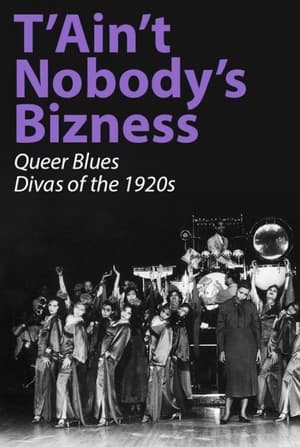
The 1920s saw a revolution in technology, the advent of the recording industry, that created the first class of African-American women to sing their way to fame and fortune. Blues divas such as Bessie Smith, Ma Rainey, and Alberta Hunter created and promoted a working-class vision of blues life that provided an alternative to the Victorian gentility of middle-class manners. In their lives and music, blues women presented themselves as strong, independent women who lived hard lives and were unapologetic about their unconventional choices in clothes, recreational activities, and bed partners. Blues singers disseminated a Black feminism that celebrated emotional resilience and sexual pleasure, no matter the source.
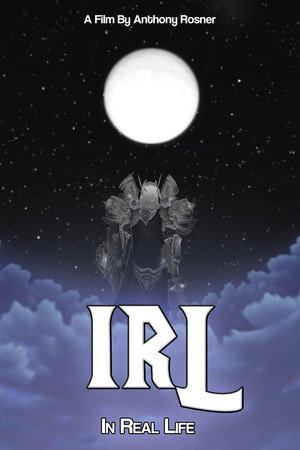
A documentary looking at the effects of World of Warcraft addiction.
On the morning of September 11th, Michael Trinidad called his ex-wife, Monique Ferrer, from the 103rd floor of the World Trade Center's North Tower to say goodbye. In the wake of his death, Monique tells the story of Michael's lasting legacy—the family they built together.
This anti-homosexual social "scare" short film focuses on the dangers of young boys talking to strangers.
The original documentary on the Wigstock festival, back in the day when it was a much smaller affair in Thompkins Square Park. A full day of peace, love, and wigs…
Inspired by a poem by William Blake: a short experimental film about the perception of vision.
“This film is part of a series of films on gay men who survived the Nazi era. I met Walter Schwarze when he was already in his eighties. My camera recorded his first public account of his five-year incarceration as a homosexual at Sachsenhausen concentration camp. He was in his fifties when he met Ali in his hometown of Leipzig; the two men became partners and remained close until his demise. And yet, Walter told me, he felt he had lived in vain because he had not had the good fortune of today's gays, who are able to grow up in freedom. Walter Schwarze died of cancer on May 10, 1998.” Rosa von Praunheim
Szirtes's masterful experimental work is a dazzling composition of several years of filming within an industrial macro/microcosm, an abstract model of revolution and the beauty of daybreak.
A third generation NZ born Niuean Female surfer, visits her Island of heritage for the first time only to discover there is no surf on Niue. But Mella's visit opens her eyes to the island's other beautiful qualities, the magical water, warm people, and clean unpolluted land. However she also discovers the low population has left the countries future hanging by a thread. This documentary is a record of Mella's journey to regaining her identity and first steps at becoming part of the solution in Niue's restoration of itself.
"Africa Light" - as white local citizens call Namibia. The name suggests romance, the beauty of nature and promises a life without any problems in a country where the difference between rich and poor could hardly be greater. Namibia does not give that impression of it. If you look at its surface it seems like Africa in its most innocent and civilized form. It is a country that is so inviting to dream by its spectacular landscape, stunning scenery and fascinating wildlife. It has a very strong tourism structure and the government gets a lot of money with its magical attraction. But despite its grandiose splendor it is an endless gray zone as well. It oscillates between tradition and modernity, between the cattle in the country and the slums in the city. It shuttles from colonial times, land property reform to minimum wage for everyone. It fluctuates between socialism and cold calculated market economy.
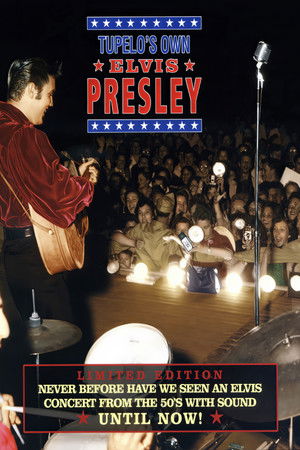
This film features unreleased concert footage of Elvis Presley's afternoon performance at the 'Mississippi-Alabama Fair and Dairy Show' held at the Fairgrounds in Tupelo, Mississippi on September 26, 1956. The professionally filmed black and white newsreel footage was synchronized with an amateur audio recording of the concert that had previously appeared on the 'Elvis Presley: A Golden Celebration' LP/CD box set.
The true story of the meteoric rise and fall of Steve Hershon, Hollywood's go to hand insert model.
An autobiographical journey for filmmaker Lawrence Johnston, who grew up as one of six siblings to his Aboriginal father Colin and non-Indigenous mother, Gloria. Their marriage was a tempestuous one that included physical and emotional abuse. Johnston's unflinching film is a personal and emotional journey that looks at love, marriage, family, and commitment, as he explores the effect his parents' marriage has had on his romantic ideals. His debut feature film Life won the FIPRESCI International Critics Prize at the 1996 Toronto Film Festival and was nominated for four Australian Film Institute Awards and four Australian Film Critics Circle Awards including Best Actor and Best Screenplay.
In Search of Avery Willard iIlluminates the life and work of the groundbreaking, and mostly forgotten, artist Avery Willard — photographer, filmmaker, writer, publisher, leatherman, pornographer.