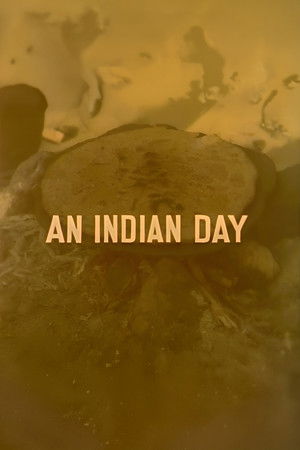
Traveling the length and breadth of the country, S. Sukhdev constructs, a panoramic, non-narrated study of Indian life in the late 1960s. Shot across villages, deserts, countryside, and cities, the film observes daily labor, leisure, and movement without commentary, allowing humor, contradiction, and social texture to emerge organically. The result is a sensory encounter with India poised between inherited tradition and accelerating modernity.
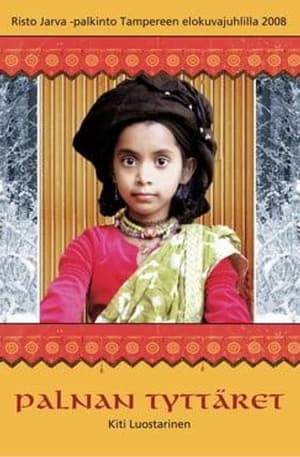
A film about memory, identity and the overwhelming power of love. One-year-old Devi was found starving at a railway station in Delhi. The police took her to Palna, an orphanage, where she lived for a year. When Devi learned to talk she often wanted to talk about Amma, her first mother. In the film, the 6-year-old Devi journeys to her own past, as her family adopts another daughter from Palna, a baby sister for Devi.
Documentary on the construction of Chandigarh, the new capital of the Indian Punjab region, planned by Albert Mayer and Swiss architect Le Corbusier.
A Suitable Girl follows three young women in India struggling to maintain their identities and follow their dreams amid intense pressure to get married. The film examines the women's complex relationship with marriage, family, and society.
Les Pirates du vivant
The story of the Welsh Calvinistic Methodists' Mission (1841-1969) to the Khasi Hills in north-east India, written and presented by Welsh poet Nigel Jenkins.
Documenting the production of kerosene tins and their reuse in rural India, this early short by Bimal Roy observes industrial labor and everyday life with a restrained, humanist perspective.
Wheel of Time is Werner Herzog's photographed look at the largest Buddhist ritual in Bodh Gaya, India.
British filmmaker Beeban Kidron ventures onto the mean streets of the South Bronx and other New York locales to examine the lives of those involved in the city's thriving sex industry.
Herzschlag der Kontinente
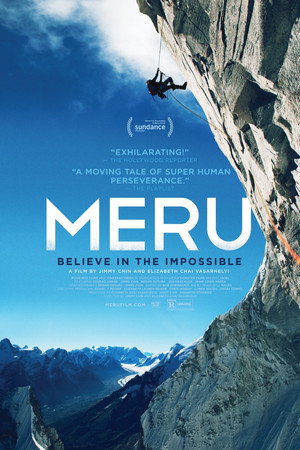
Meru is the electrifying story of three elite American climbers—Conrad Anker, Jimmy Chin, and Renan Ozturk—bent on achieving the impossible.
Since the rise to power of Hindu nationalists in 2014, India has been gradually moving away from democracy towards a regime where ethnic identity prevails. This transition is driven by Hindutva, a Hindu supremacist ideology embodied by Narendra Modi. For the past 10 years, Prime Minister Modi has relentlessly pursued his fascist policy based on Hindu supremacy. This ideology of hatred towards other religions in the country, particularly Islam, has also spread globally. Those who follow this belief want India to be only for Hindus, treating people of other religions, like Muslims or Sikhs as second-class citizens. Attacks against Christians have surged by 400% since Modi's election, accompanied by discriminatory laws targeting Muslims and widespread lynching incidents. Hindutva's influence permeates all levels of Indian society. This documentary thus unveils a darker side of India, far from its portrayal as the world's largest democracy and Gandhi's dream of peace among communities.
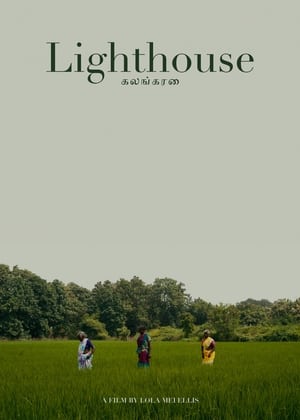
After the Indian Ocean Tsunami of 2004, widowed women struggled to receive aid due to their social status. Following the story of Mrs. Manjula along with many other women from Tamil Nadu, the challenges faced by millions of widows across the country are illuminated. From being ostracized to denied basic rights and economic opportunities, widows in India endure a cycle of discrimination and marginalization. “Kalangarai” meaning "lighthouse" in Tamil, is an organization dedicated to empowering women through initiatives such as self-help groups and educational programs. Throughout the film, "Lighthouse" illustrates the emotional journeys and resilience of these women, as well as the active change that Kalangarai strives to achieve. This documentary urges global awareness and support for widowed women’s rights, as the women’s struggles depict the intersectionality of gender, poverty, and social injustice.
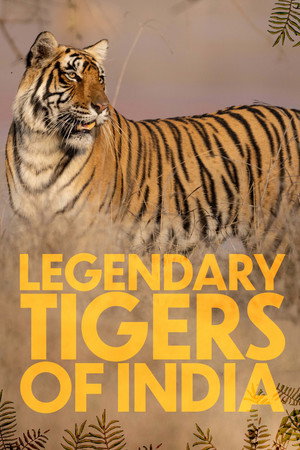
Tiger expert Valmik Thapar uncovers 50 years of archival footage, chronicling the legendary tiger clan of Ranthambore National Park and their remarkable revival in northwestern India.
In the heyday of the jute industry, millions of people in Bengal made their living doing this laborious work, which has hardly changed since the industrial revolution. The 100-year-old machinery has been endlessly repaired. State aid kept this sustainable alternative to plastic going, but its future looks bleak.
In India, young people must marry someone approved by the family. Those who fall in love with someone else risk being killed for dishonour. But now they have someone to turn to for help: the Love Commandos.
Australia's first national sudoku team The Numbats - four ex-rugby mates - travel into the unknown of competitive puzzling as they enter the World Sudoku Championships in Goa, India.
After 25 years of the Project Tiger Scheme operating in the Madhya Pradesh, these magnificent animals have become more trusting, permitting an extraordinary intimate film which follows them from sunrise to sunset, in monsoon rains and in shimmering heat
A young woman researches the hidden story of Indian soldiers who came to fight in France and Belgium during the World War I. The presence of these 140,000 soldiers in Europe is a virtually unknown fact of history.
Sue Perkins immerses herself in the complex life of Kolkata and sees how it is reinventing itself as a megacity with a reputation for eccentricity, culture and tolerance.