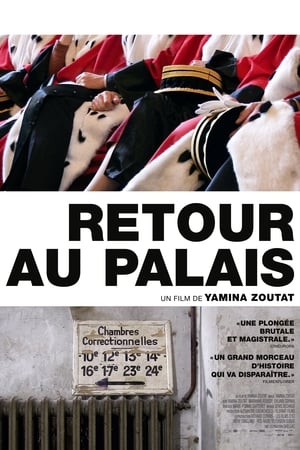
Located on the île de la Cité, in the middle of the Seine, the Paris Law Court looks like an impenetrable fortress. Like Kafka’s castle, it guards its secrets well. It is the place of power. The filmmaker, who worked there for several years as a crime reporter, is extremely familiar with its labyrinthine spaces, its practices, its ceremonies. She comes back to it now, while the Courthouse, such as she knows it, is about to disappear: its relocation is planned in 2017. So, she explores it, camera in hand, on the traces of her experience.
Director helmut Dietls and Patric Susskinds illustrate a legendary story of two lovers who cant keep themselves away from death.
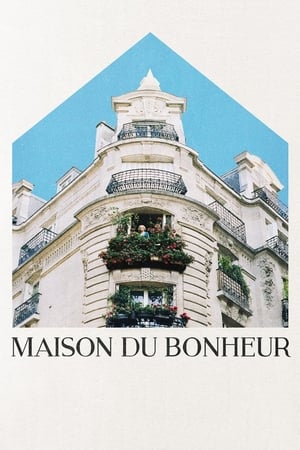
When asked to make a documentary about her friend’s mother—a Parisian astrologer named Juliane—the filmmaker sets off for Montmartre with a Bolex to craft a portrait of an infectiously exuberant personality and the pre-war apartment she’s called home for 50 years.
Rahul Seth is a dashing young millionaire who believes he is "western" enough to rebel against his mother and grandmother. They are not too keen about his Caucasian girlfriend Kimberly who, to make matters worse, is a pop star. Before you can say "karmic intervention," Kimberly dies in a freak accident and Rahul is devastated. Instead of allowing him to mourn in peace, Rahul's mother sees the opportunity she's been waiting for. She threatens to call off his sister's wedding unless he finds himself a "nice Indian girl." Rahul enlists the services of Sue, a fiercely independent escort whom he believes to be Hispanic, and therefore not "married" to the conventions taught to young Indian women. With a wink in her eye, Sue accepts the deal to pose as his Indian bride-to-be. She needs the money and having never been a fan of the typical Indian male, she feels her heart is safe. The charade begins....
Jazz in Love tells the story of Jazz, a young man from Davao whose dream wedding is within reach: his boyfriend of 11 months has proposed. Because no law allows him to get married in the Philippines, he must fly to Germany, his boyfriend's home country, and tie the knot there. One of the things that stand in his way is his inability to speak Deutsch, and to address that he must temporarily relocate to Manila for language lessons. Meanwhile, his parents remain completely unaware of the radical changes that his life is about to undergo.
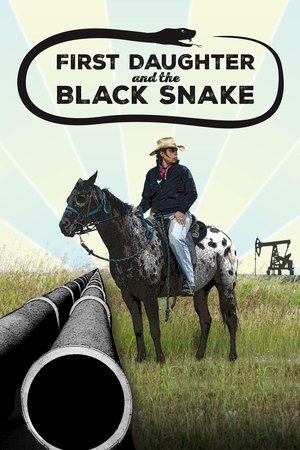
The “Prophecy of the 7th Fire” says a “black snake” will bring destruction to the earth. For Winona LaDuke, the “black snake” is oil trains and pipelines. When she learns that Canadian-owned Enbridge plans to route a new pipeline through her tribe’s 1855 Treaty land, she and her community spring into action to save the sacred wild rice lakes and preserve their traditional indigenous way of life. Launching an annual spiritual horse ride along the proposed pipeline route, speaking at community meetings and regulatory hearings. Winona testifies that the pipeline route follows one of historical and present-day trauma. The tribe participates in the pipeline permitting process, asserting their treaty rights to protect their natural resources. LaDuke joins with her tribe and others to demand that the pipelines’ impact on tribal people’s resources be considered in the permitting process.
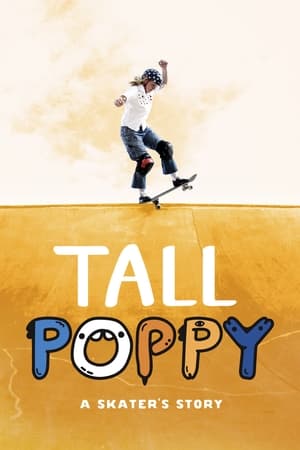
A child who just loved to skate from the age of eight, Poppy Starr Olsen became the number one female bowl skater in Australia at 14 and went on to take out bronze at the XGames at 17 - the ultimate competition in the world of skateboarding. The same year, skateboarding was announced as an official additional sport category at the Tokyo 2020 Olympics. Now faced with the opportunity to represent Australia on the world stage Poppy grapples with the transition from skater to athlete and the pressure of competition mounts in a way it has never done before.
Blind Light is filmed in the artist’s London loft. The presence of camera, studio and artist/performer are registered through image and sound, the loss of the former filling out the presence of the latter. In this way the physicality of object, space and subject as well as their inferiority is fleshed out, mapping out a space that is at once material and psychical. Controlling the light she allows into the frame, the artist lifts the blinds or pulls them shut, applies or removes lens filters, opens wide the aperture or closes it. Each performance or action threatens the image as it shifts in and out of ‘proper’ exposure until it disappears completely. Focusing either on the window or the sky, the artist narrates her camera operation whilst also describing what she sees; intermixing receptive and projective vision.
Magic Mirror combines a re-staging of the French Surrealist artist Claude Cahun’s black and white photographs with selected extracts from her book Aveux Non Avenus (Confessions Denied). In Surrealist kaleidoscopic fashion the film creates a weave between image and word, exploring the links between Cahun’s photographs and writing as well as between those of the films of Sarah Pucill, as both artists share similar iconography and concerns.
Journalist Shiori Ito embarks on a courageous investigation of her own sexual assault in an improbable attempt to prosecute her high-profile offender. Her quest becomes a landmark case in Japan, exposing the country's outdated judicial and societal systems.
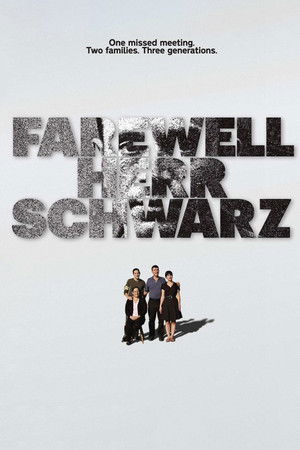
A documentary about the outcome of a decision made by a brother and sister in 1945. One missed meeting, two families, and three generations.
A compilation of found footage from musicals, home movies, animated shorts, educational films, commercials, and propaganda set against pop music from the Third Reich, Hitler's Hitparade presents audiences with an unprecedented experiential collage of Nazi Germany.
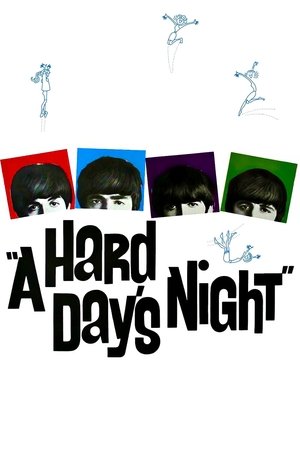
Capturing John Lennon, Paul McCartney, George Harrison and Ringo Starr in their electrifying element, 'A Hard Day's Night' is a wildly irreverent journey through this pastiche of a day in the life of The Beatles during 1964. The band have to use all their guile and wit to avoid the pursuing fans and press to reach their scheduled television performance, in spite of Paul's troublemaking grandfather and Ringo's arrest.
An in-depth portrait of British composer, pianist and singer Elton John, pop star and myth of modern culture.
Short directed by Agnès Varda in 1986 on the occasion of the 50th anniversary of the French Cinematheque, presenting a contrast between the famous stairs from the place along with classic film images also revolving around stairs.
Gloria never imagined that an audition for the music producer Sergio Andrade was going to change her life so drastically. King Midas not only brought her to stardom, but also to a dramatic story of love, heartbreak and betrayal. Based on the life story of pop/rock singer Gloria Trevi.
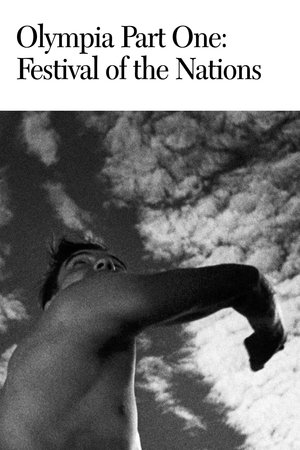
Starting with a long and lyrical overture, evoking the origins of the Olympic Games in ancient Greece, Riefenstahl covers twenty-one athletic events in the first half of this two-part love letter to the human body and spirit, culminating with the marathon, where Jesse Owens became the first track and field athlete to win four gold medals in a single Olympics.
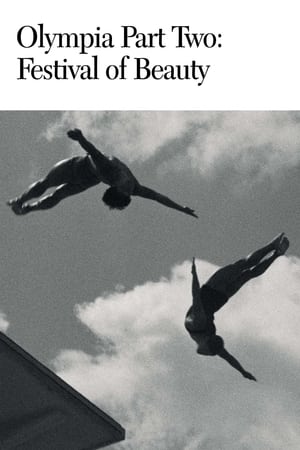
Part two of Leni Riefenstahl's monumental examination of the 1938 Olympic Games, the cameras leave the main stadium and venture into the many halls and fields deployed for such sports as fencing, polo, cycling, and the modern pentathlon, which was won by American Glenn Morris.
In the course of Alaide Foppa's life, she became a precursor of feminism in Mexico. She was an immigrant who, in her own way, tried to break the molds established by her upper-class upbringing. Her sensitivity and intellectual development made her question matters of social injustice, educational and gender inequalities, the importance of socially-committed art forms and the vindication of democracy throughout Latin America. Her tragic end reveals much about the history of Guatemala.
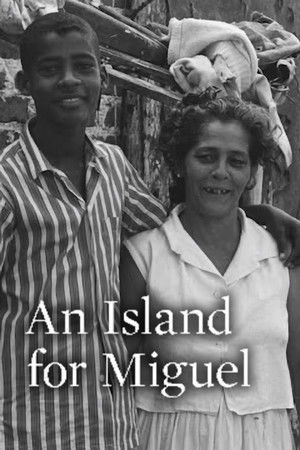
In this film, Sara Gómez documents the everyday life of the Isla de Pinos, the discussions about the problems of construction, the school and the leisure activities of the youth in 1968 and contextualizes these images with Frantz Fanon's thoughts about the construction of a nation through decolonization.