A cellar-dwelling woman talks about her life to a camera during the devastating war in Bosnia.
The carnage in Sarajevo provides the focus of this French documentary which seeks to call attention to the terrible conflict in the hopes of finally ending it. The film is divided into five parts. Each part covers a time frame ranging from April 4, 1992, the beginning of the war, to the present. The major issues that occur are three-fold. It depicts the systematic genocide of Bosnians, the silence of Western countries, and the determination of the Bosnians to resist. They refuse to be seen as victims, even though the filmmakers portray them so. Also included are the origins and political aspects of the war. It offers interviews with participants. It also reveals how the U.S. State Department censored reports about Serbian death camps.
This two-part documentary reveals how al-Qaeda used Bosnia as a training-ground, money-laundering centre and forward operating base during the brutal civil war of 1992-95. The veterans went on to attack New York, Washington DC, London, Madrid, Mombasa and Bali. The story also reveals how the people of Srebrenica were betrayed by the Sarajevo government in advance of the massacres of July 1995.
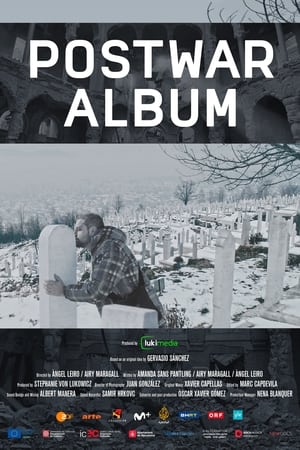
Winter 2019. Spanish war photographer Gervasio Sánchez, who documented with his camera the long and tragic siege of Sarajevo during the Bosnian War (1992-95), returns to the city in search of the children he met among the ruins, those who survived to grow up, live and remember.
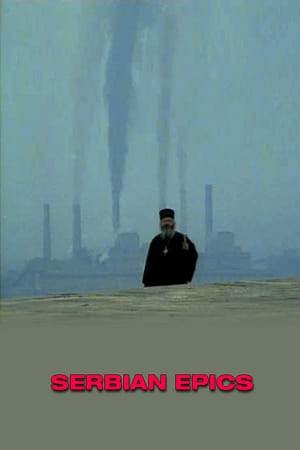
Paul Pawlikowski's award-winning documentary on life behind Serbian lines in Bosnia. The film observes the roots of the extreme nationalism which has torn apart a country and provides a chilling examination of the dangerous power of ancient nationalist myths.
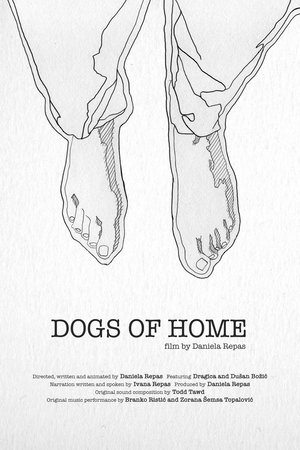
A hotel in the centre of town is a war-time home and refuge for many of Sarajevo's homeless people. Every morning they leave the hotel and wander around the destroyed city gathering again at the defunct hotel in the afternoon. This film follows their separate fates through the bitter comparing of images of the bums with those of dogs abandoned by their owners and now left et the mercy of the war ravaged streets of Sarajevo.
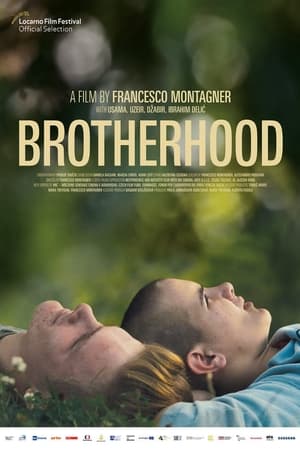
Jabir, Usama and Uzeir are three young brothers in a Sunni family of shepherds. Since childhood, their father Ibrahim has rigidly trained them in the principles of the Quran and has filled their minds with stories of the Bosnian War.
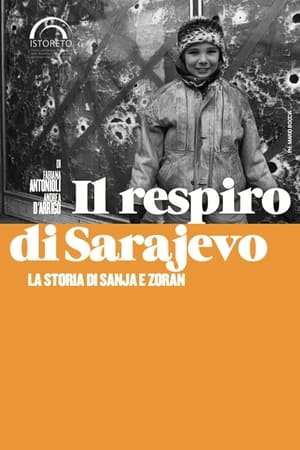
The extraordinary story of Sanja and Zoran, a couple who in 1993 fled and survived the siege of Sarajevo, the longest war in 20th century history, to find refuge in Italy, in Turin. In their life experience, past and present come together to give voice to friendship and hope, reflecting on war, prejudice, tolerance and acceptance.
Documentary which tells the story of a group of men and women who risked their lives to rescue a library - and preserve a nation's history - in the midst of the Bosnian war. Amid bullets and bombs and under fire from shells and snipers, this handful of passionate book-lovers safeguarded more than 10,000 unique, hand-written Islamic books and manuscripts - the most important texts held by Sarajevo's last surviving library.
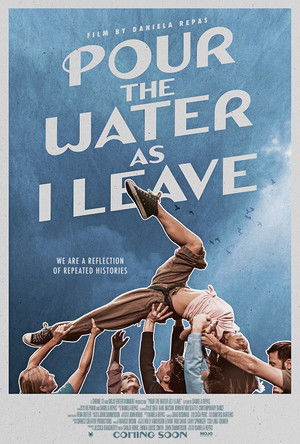
A surreal exploration of the war in Bosnia told through the unbreakable spirit of seven of her people whose strength to leave was as powerful as the fight to stay. Through the lens of diaspora, the film captures not just the weight of displacement, but the defiant act of survival and the unwavering pursuit of home, no matter where the journey leads.
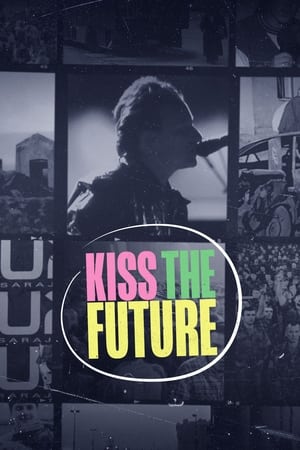
An exploration of the perils of nationalism and art’s role as a weapon of resistance and activism throughout the 1990s Siege of Sarajevo during the Bosnian War. Explore how art and music sustained hope, thanks in part to humanitarians and the band U2.
Summer 1994, Mostar, Bosnia and Herzegovina. Two civil wars in only three years has torn the city apart and destroyed it. The town is split into a Croatian majority in the west and a Muslim majority locked in the east. An invisible wall divides the two areas. The EU appoints German social democrat Hans Koschnick as municipal administrator of the town in the hope of rekindling a sense of community there.
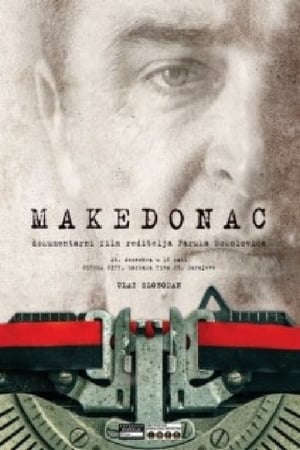
A tale of victory of humanism over revenge motif. Amir Reko (nicknamed "Macedonian", but actually Bosnian Muslim by ethnicity), the ex-captain of Yugoslav People's Army, saved lives of 44 Serb civilians during the siege of Gorazde in 1992. He went through personal and professional temptation during the war, while plenty of other officers ended up in Hague or other international criminal courts across Europe.
In September 2004, Himzo Muratovic returned from the dead. Himzo turned up in a taxi in his Bosnian Muslim village, 12 years after he disappeared at the height of the Serb terror. His mother fell unconscious when neighbors told her that her missing son had returned. For several days the village celebrated the return of the long-dead Himzo Muratovic.
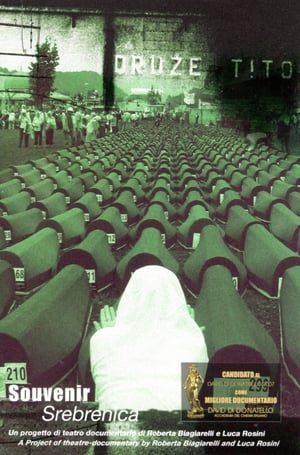
The war crimes trial of Ratko Mladic, accused of masterminding the murder of over 7000 Muslim men and boys in Srebrenica in the 90s Bosnian war, the worst crime in Europe since WW2.
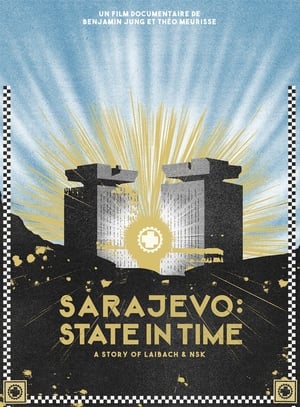
Shot in six European countries, it tells the story of the concerts given by cult underground band Laibach during the siege of Sarajevo back in 1995.
At the end of WWI, the treaty of Versailles established the conditions for peace in Europe. The aim for the victorious powers was to make Germany pay reparations, and to guarantee a future without war. Yet a decade later, the denunciation of 'Versailles' became a powerful lever for the nazis to obtain power as these reparations would mark the beginning of the humiliation of the German people, and nurture a feeling of having been bestowed a hopeless future. In the 20 years that follow the end of WWI, the issue of reparations and responsibility will effectively poison international relationship. The treaty negative impact goes well beyond WWII as the new European borders it implemented led to many conflicts during the twentieth century. This documentary shines a light on the causality between the decisions taken with the treaty of Versailles, and the ensuing events of the century.
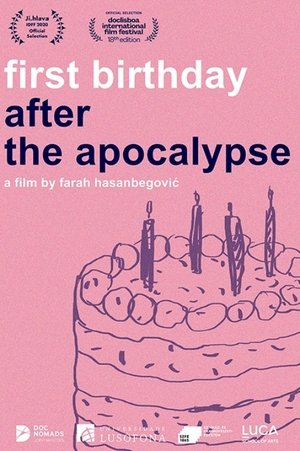
In her autobiographical documentary, the young director uses cartoon impressions, photographic memories, and the various stages of baking a cake to draw the viewer into her own stream of consciousness, and using images full of kindness, tenderness, and playfulness, she deals with the sadness that began during a children's birthday party many years ago.
Totally Personal creates a historical document both droll and touching out of Begovic and his family's memories, meditations, and observations. The history begins in the communist era, continues through the war that ravaged the former Yugoslavia and into today's post-war period.
An attempt to erect a virtual memorial for the victims of the Bosnian war, using archive material, videos and statements from survivors in a 3D animation.