Semences : les gardiens de la biodiversité
For decades, migrant workers have worked the fields of Immokalee, harvesting tomatoes, peppers, eggplants, oranges and other produce that is then shipped across the United States of America. Many of the workers are undocumented, and attempting to keep their jobs even as federal migration crackdowns hover over the town. The Fields of Immokalee film follows the daily lives of tomato workers, from the 5:00am trips to the parking lot in hopes of finding day labor, to work sessions in the scorching mid-day heat, to child detention centers for migrant youth that have been separated from their families. Via these vignettes, the film offers insight into the most volatile political issue of our time.
Ricardo, Natalia's father, suffers from Parkinson's disease; in that condition he stopped producing Dopamine. Surviving a very strong family crisis, Natalia told them her sexual orientation. She does not understand why after being left-wing militants and fighting for equality and freedom, they could not accept her choice.
Enter the captivating world of scientific exploration through the lens of Kiana Frank who is a proud Native Hawaiian and microbiologist. Her unique journey intertwines traditional wisdom with the latest molecular techniques, casting light on the intricate interactions between microorganisms and the environment they inhabit. It is within the ancient oral narrative of Meheanu, a revered goddess, that Kiana finds a clue about nitrogen cycling in fish ponds—a pivotal ecological process orchestrating the relationship between microorganisms, plants, and fish.
Adam Pearson - who has neurofibromatosis type 1 - is on a mission to explore disability hate crime: to find out why it goes under-reported, under-recorded and under people's radar.
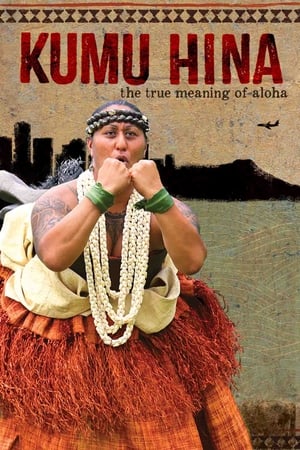
A transgender Native Hawaiian teacher inspires a young girl to fulfill her destiny of leading the school's male hula troupe, even as she struggles to find love and a committed relationship in her own life.
"A Home On The Range" tells the little-known story of Jews who fled the pogroms and hardships of Eastern Europe and traveled to California to become chicken ranchers. Even in the sweatshops of New York they heard about Petaluma where the Jews were not the shopkeepers and the professionals, they were the farmers. Meet this fractious, idealistic, intrepid group of Eastern European Jews and their descendants as they confront obstacles of language and culture on their journey towards becoming Americans. Jack London, California vigilantes, McCarthyism, the Cold War and agribusiness all come to life in this quintessentially American story of how a group of immigrants found their new home, a home on the range.
The Hawaiian Islands, located 2,000 miles from the U.S. West Coast, primarily rely on agriculture for their economy, as they lack significant minerals and manufacturing. Sugar cane and pineapple are the two main crops. Sugar cane, first cultivated in Hawaii over a century ago, is harvested after 1.5 to 2 years of growth, with fires used to clear leaves before gathering. Pineapples are planted using a paper mulch technique, and the ripe fruit is quickly processed for canning. Shipping plays a crucial role in transporting these products to the mainland U.S. and bringing necessary goods to Hawaii, making it vital for the islands' prosperity.
Since World War II North Americans have invested much of their newfound wealth in suburbia. It has promised a sense of space, affordability, family life and upward mobility. As the population of suburban sprawl has exploded in the past 50 years Suburbia, and all it promises, has become the American Dream. But as we enter the 21st century, serious questions are beginning to emerge...
Documentary filmmaker Robert Kenner examines how mammoth corporations have taken over all aspects of the food chain in the United States, from the farms where our food is grown to the chain restaurants and supermarkets where it's sold. Narrated by author and activist Eric Schlosser, the film features interviews with average Americans about their dietary habits, commentary from food experts like Michael Pollan and unsettling footage shot inside large-scale animal processing plants.
Paul and Phyllis van Amburgh, believing that a small, family farm is the best place to raise their children, take their life savings and buy a defunct dairy. With three children and a fourth on the way and armed only with their principles and determination, they fight to defy the odds as they become full time farmers. THE FIRST SEASON, through an intimate, cinema verite style, bears witness to the Van Amburgh's struggle as they fight against relentless toil, financial ruin and the harsh reality of diary farming to achieve their version of the American dream.
Surfing at Waikiki Beach, Hawaii, on the island of Oahu. Most surfers are human, one is a dog. The educational documentary is part of the Bruce Scenic Novelties series.
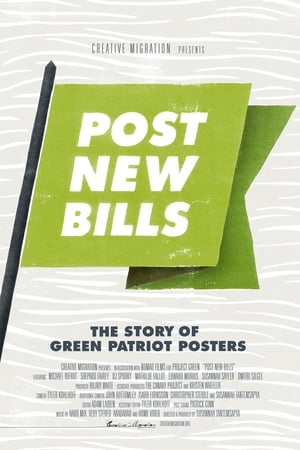
A short documentary illustrating how art can influence public perception towards environmental issues. Green Patriot Posters is a highly acclaimed multimedia design campaign that challenges artists to deepen public understanding and ignite collective action in the fight against climate change. So far, it has reached five million people through print media, public space and digital culture. The film features interviews with key Green Patriot Posters contributors (Shepard Fairey, Michael Bierut, DJ Spooky, Mathilde Fallot) and its founders (The Canary Project, Dmitri Siegel).
The cod fishery off the east coast of Newfoundland was a way of life, the backbone of society -- until it collapsed. A review of the history leading up to the crisis and the subsequent call for a moratorium of the northwest Atlantic cod fishery.
Hawaii, with its tropical rainforests and diverse coral reef is a spectacular natural paradise for travellers, surfers and all fans of breathtaking sandy beaches and lush green mountains. But life on the American island chain also has a dangerous side: permanently active volcanoes, lava caves, and even burning lava pours into the sea! Here you can see black smoke rise up, spray the red-hot magma into the sky and feel how the earth trembles. Located on the Pacific plate is unusual for volcanoes, Hawaii is thus researchers a fascinating destination. At Kilauea, the most active volcano on earth, the inhabitants have to live in constant danger found over the centuries cope. Lava Land - Glowing Hawaii takes you into the world of researchers and residents on the Big Iceland, the largest island of Hawaii.
Maël is a passionate gardener and an environmental activist. Away from big cities, sharing is time between his agricultural college, his contract of apprenticeship, and his beloved vegetable garden, Maël grows up with deep-rooted alter-globalist beliefs.
Takes viewers inside the homes of people seriously affected by increasingly ferocious floods hitting the UK. With one in six British homes now at risk of flooding, residents across the country count the cost, both financial and mental, to their communities affected by flooding over the last decade.
Riding Giants is story about big wave surfers who have become heroes and legends in their sport. Directed by the skateboard guru Stacy Peralta.
Ester Hernandez, winner of the San Francisco Foundation 2004 Community Leadership Awards (Helen Crocker Russell Award) - for fostering community and raising social consciousness through her groundbreaking art, for her work with Creativity Explored, and for inspiring and mentoring the next generation of artists.
Alice Waters, winner of the San Francisco Foundation 2006 Community Leadership Awards (The John R. May Award) - for transforming our relationship with food. Through her promotion of sustainable agriculture and the slow food movement, she fights obesity and fosters a clearer understanding of how the natural world sustains us. Alice and the Chez Panisse Foundation's Edible Schoolyard educates public school children on the importance of growing and cooking fresh, nutritional food.