A portrait of a family living in a village in Masuria.
Takes us to locations all around the US and shows us the heavy toll that modern technology is having on humans and the earth. The visual tone poem contains neither dialogue nor a vocalized narration: its tone is set by the juxtaposition of images and the exceptional music by Philip Glass.
The documentary tells the story of Uschi, a farmer living free and recluded in the bavarian alps. Shot in epic black and white pictures, Still follows Uschi's life over a ten year period. From an untroubled summer of making cheese through pregnancy and the uncertain future of the parental farm, Matti Bauer portrays Uschi's struggle to keep alive the dream of a way of life that has become rather untypical in this day and age.
This documentary film follows farmers and activists fighting together to stop the Indiana Enterprise Center, a mega-sized industrial park planned west of South Bend, Indiana
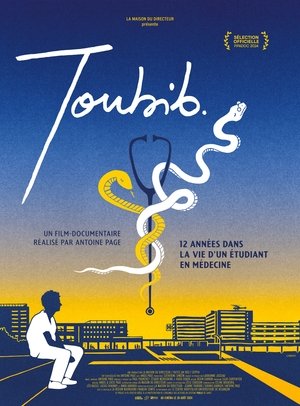
Toubib
El viaje inverso
A group of educators led by Fernand Deligny are working to create contact with autistic children in a hamlet of the Cevennes.
Director Hannah Livingston spends 6 months tracking two of America's most radical Christian hate groups - a notorious pastor from Arizona and a network of extremist preachers.
Routine Pleasures, Slow Cinema.
The story of community in the Deep South that is forced to deal with the struggles of ignorance, hypocrisy and oppression.
Dans la forêt de Borek
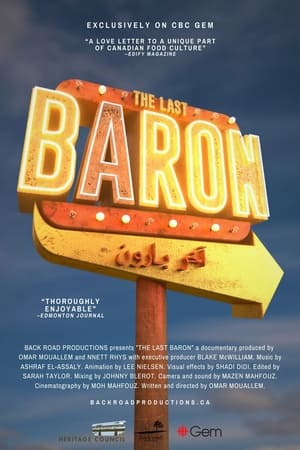
The meaty saga of Burger Baron, a rogue fast-food chain with mysterious origins and a cult following, run by a loose network of fiercely independent Arab Canadian immigrants.
A coming-of-age story about a filmmaker and his family as they struggle to adapt to both a changing world and a traditional one. Can the filmmaker's family accept that he is more interested choosing to document a famine that happened 50 years ago than choosing a wife? Will the family continue to farm their land and grow rice as they always have or sell it to developers? How can they adapt to life in modern China when the country itself is in the midst of identity crisis? The film explores these topics and more in a refreshingly original style that bridges the gap between documentary and narrative feature while providing a delightfully intimate portal into family life in modern China.
This film is a story, testimony and documentation of the forced disappearance of 43 student teachers, which exposes the criminal complicity between the police and military authorities, between the political and economic elites and criminal organizations in Mexico, which appear to be different forces, but respond to similar interests.
A partnership between the Government of Mali and an American agricultural investor may see 200-square kilometers of Malian land transformed into a large-scale sugar cane plantation. Land Rush documents the hopes, fears, wishes, and demands of small-scale subsistence farmers in the region who look to benefit, or lose out, from the deal.
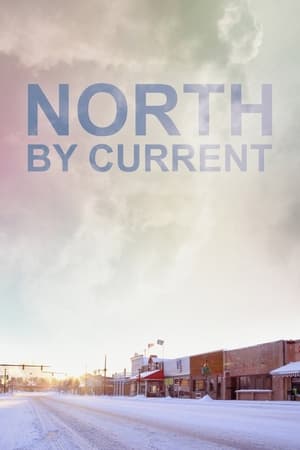
Filmmaker Angelo Madsen Minax returns to his rural Michigan hometown following the death of his infant niece and the subsequent arrest of his brother-in-law as the culprit. Using the audio-visual approaches of essay film, first-person cinema vérité, staged actions, and decades of home movies, Madsen navigates a town steeped in opioid addiction, economic depression, and religious fervor, while using the act of filmmaking to rebuild familial bonds and reimagine justice. Posing empathy as a tool for creating a more just world, North By Current does not seek to investigate a crime, but creates a relentless portrait of an enduring pastoral family, poised to reframe and reimagine narratives about incarceration, addiction, trans embodiment, and ruralness.
A cinematic portrait of farmer and writer Wendell Berry. Through his eyes, we see both the changing landscapes of rural America in the era of industrial agriculture and the redemptive beauty in taking the unworn path.
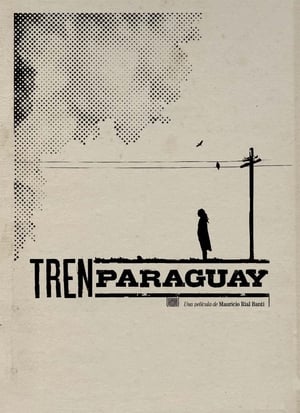
The Paraguayan railroad, created in 1861, fell in the late twentieth century in decline. Operated for decades by foreign companies and later by the Paraguayan State has been in a growing abandonment since the late 90s. Since then there have been projects of recovery, but the stations are empty and the main terminal was demolished late last year.
The film chronicles everyday struggle of a Russian woman for “ordinary” happiness of her family.
The film is not constructed as a lineal story, instead, each scene works as a painter’s brush freely tracing a distinctive shape; the lifestyle of the Raramuri people, the particular way in which they relate within the family, the community and their surrounding nature. Nararachi’s warm, intimate and profoundly human insight of the indigenous lifestyle and culture is so powerful that it enables the viewer to expand her horizon.