A short film documentary about the reconstruction of Lac-Mégantic following the 2013 railway tragedy.
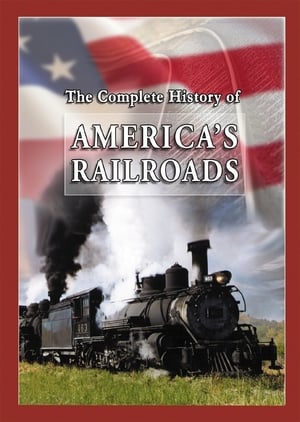
No matter what your age you'll love watching this impressive and comprehensive story of the development of railroading in America. Rail enthusiasts as well as history buffs, teachers and home schoolers, plus kids of all ages will appreciate this magnificent rail adventure covering live action historic operating railroads, rare photos of drawings and valuable memorabilia, and live action re-enactments. Featuring spectacular cinematography and an inspiring musical score, this Award-Winning four part DVD covers over one-hundred years of railroading evolution.
Úton lenni boldogság
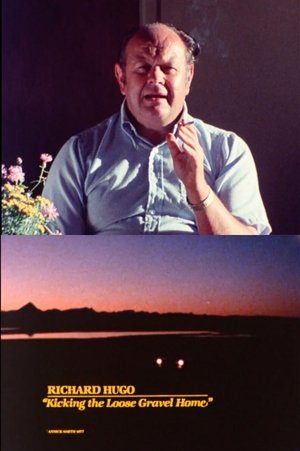
Filmed on location in Montana and Washington State, this 1976 biography of poet and teacher Richard Hugo features readings of some of his most famous poems as well as interviews with his family and friends.
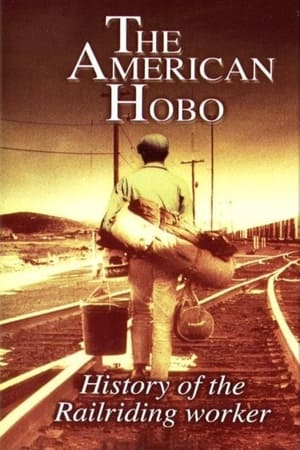
Ernest Borgnine, star of the classic train movie Emperor of the North, hosts and narrates this remarkable examination of the uniquely American Hobo.
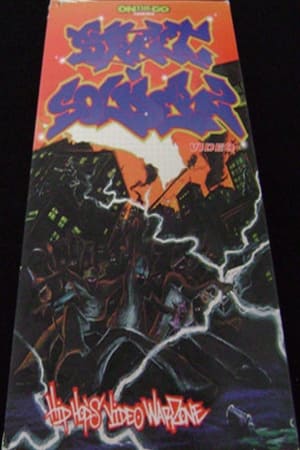
On The Go Magazine Hip-Hop Graffiti Video
Hip-Hop Culture and Graffiti Video Magazine
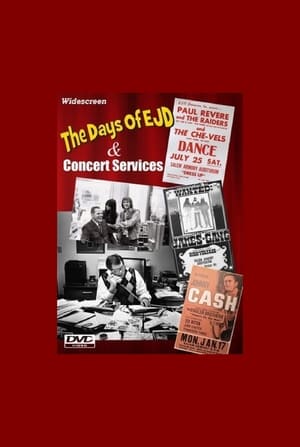
EJD's Teen Dances - a northwest rock n' roll story" is an amazing tale about a middle school math teacher answering the pleas of his young students, "there's nothing to do on the weekend". A northwest entertainment phenomenon was born when Ed Dougherty began organizing teen dances at the local armory auditorium in Salem Oregon. EJD Enterprises was soon formed and brought to town most of the biggest groups of the 1960's and 70's including The Dave Clark Five, Sonny & Cher, Paul Revere & The Raiders, Steppenwolf, Three Dog Night, The Doors and countless others. Ed Dougherty's method of operation which provided a safe place for teens to go and have fun made these dance/shows a huge success during this very special time in music history. His reputation of providing a safe, secure environment attracted artists in the entertainment world. His work as a respected concert promoter continued to grow into the next three decades to encompass the entire northwest region and beyond.
An experimental look at the origin of the death myth of the Chinookan people in the Pacific Northwest, following two people as they navigate their own relationships to the spirit world and a place in between life and death.
Film on the movement of material from the Chicago and Northwestern System.
Several films have been made about the lives of train hobos, but Aleksi Pohjavirta's A Good Day to Die is probably the first Finnish documentary on the subject. The film follows Billy, who travels in a pump on freight trains. In the way of life, the feeling of freedom and letting yourself be carried away by chance are attractive and they make the train bomb strive for a windy ride again and again.
During the Klondike Gold Rush, a misanthropic cattle driver and his talkative elderly partner run afoul of the law in Alaska and are forced to work for a saloon owner to take her supplies into a newly booming but lawless Canadian town.
Best friends Michael and Christian navigate through the pacific northwest searching for beauty and miracles in unexpected places.
Tracing the eastern banks of the upper Mississippi River is BNSF’s St. Croix Subdivision, a mostly double-tracked route providing access for a nonstop parade of traffic from La Crosse, Wisconsin to Minneapolis/St. Paul, Minnesota. Pentrex takes you across the entire sub in the late 1990s, filming throughout the seasons to bring you a unique perspective on this important, busy line. Starting at the Grand Crossing diamond in La Crosse, where BNSF crosses Canadian Pacific trackage, we follow intermodal, coal, grain, taconite, manifest, and other trains along the shores of the Mississippi. Bald Eagles are seen circling overhead, boats ply the waters, and train whistles echo off the surrounding bluffs.
With just six days remaining before Santa Fe was to be merged with the Burlington Northern, Pentrex set out to do something special to mark the occasion. It was decided to document these last few days of Santa Fe's independence by capturing the action along the Marceline Subdivision. Starting at Fort Madison, Iowa, we began a trek that took us across the isolated Missouri hills and river valleys toward Kansas City. Experiencing all types of weather, we had our share of both sunshine and rain as we relentlessly sought out photo locations along the double-tracked line. Step by step, and day by day, we made our way toward Kansas City, arriving there on the afternoon of Santa Fe's last full day, September 21, 1995.
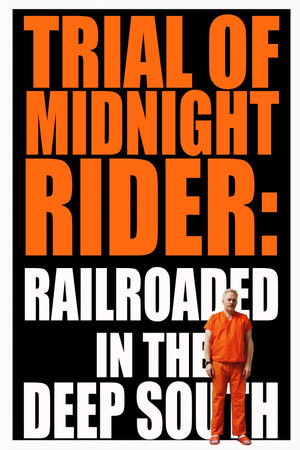
An unexpected speeding freight train ploughs into the film crew, a camera assistant is struck and killed by the locomotive. The film's director is subsequently charged with criminal trespass and involuntary manslaughter. An Australian crime author starts to dig and an exhaustive three-year investigation ensues, uncovering shocking new evidence of cover up, collusion and corruption.
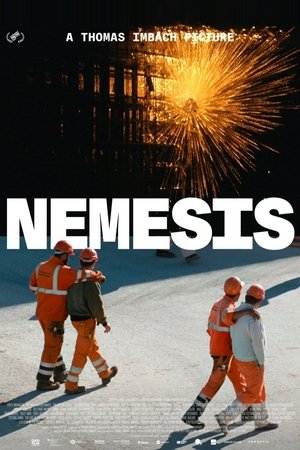
The film explores the destruction of a unique train station in Zurich and the construction of the new prison and police centre in its place. From the perspective of the filmmaker’s window, and with testimony from prisoners awaiting deportation, the film probes how we deal with the extinction of history and its replacement with total security.
In the decade they were operated, Union Pacific's 8500-series Gas Turbine Electric Locomotives earned two nicknames: UP dubbed them the "Super Fleet" for obvious reasons as they were the largest, most powerful locomotives ever employed by the railroad. More often the Turbines were referred to as "Big Blows" due to the deafening roar of their engines. Thirty of these GE-built giants were delivered to the UP between 1958 and 1961. Used primarily between Ogden, Utah and Green River, Wyoming, where the tough grades of the Wasatch Mountains required UP's sturdiest power, these monsters could log up to 10,000 miles a month hauling heavy mixed freight and coal trains. The 8500 series were permanently coupled six-axle units running on C-C trucks, and their prime mover was the most powerful ever used in a locomotive. The operating weight for the A and B units combined was close to 850,000 pounds, yet they could attain speeds of up to 70 mph!
Have you ever passed a track gang and wondered what all those machines actually do? Here's your answer and more. You'll visit a tie replacement and surfacing gang to witness the amazing parade of equipment as it progresses down the track. Closeup shots explain what each machine does. Then you'll tour a major shop to see in detail how coal hoppers are built. Next you're off to view undercutting machines cleaning ballast on BNSF. Did you ever wonder what it's like to work as a dispatcher? You'll visit a Norfolk Southern facility where the chief dispatcher explains the operation. Returning to BNSF, you'll see one of the most awesome pieces of railroad equipment: the P-811 concrete tie layer.
When moist Pacific Ocean air collides with cold mountain temperatures, it creates an opportunity to see mother nature in her finest white dress. Railroads traverse these mountains by way of scenic routes and steep grades. Put winter and railroads together, and the result is something special: mile long freight trains braving white flurries, passenger coaches on mountain excursions, and small operators battling the elements. This is a Western Winter Wonderland. Featuring: Stevens Pass, Marias Pass, Mullan Pass, Deer Lodge Pass, Canadian Rockies, Donner Pass, Shasta, McCloud, Pengra Pass, and Port of Tillamook Bay Railroad.