The two lesbian sisters once again feel the irrepressible desire to properly tie up and beat young girls. The victims must be young and have a tight plump chest. The two are by no means lacking in new ideas. This time they place an ad in a daily newspaper.
Clouds 1969 by the British filmmaker Peter Gidal is a film comprised of ten minutes of looped footage of the sky, shot with a handheld camera using a zoom to achieve close-up images. Aside from the amorphous shapes of the clouds, the only forms to appear in the film are an aeroplane flying overhead and the side of a building, and these only as fleeting glimpses. The formless image of the sky and the repetition of the footage on a loop prevent any clear narrative development within the film. The minimal soundtrack consists of a sustained oscillating sine wave, consistently audible throughout the film without progression or climax. The work is shown as a projection and was not produced in an edition. The subject of the film can be said to be the material qualities of film itself: the grain, the light, the shadow and inconsistencies in the print.
On the eve of a significant birthday, a woman facing an existential crisis convinces her partner that a threesome might change everything.
An amateur stand-up comedian seeks company online after the bar closes on a winter's night, but fails to connect with her surroundings and herself.
When night dawns on the farm a little bat wakes up. The little bat wants somebody to keep its company. It doesn't want to be alone. It is looking for a friend.
Kontrol-Eskape
On June 14, 1977, the eve of the first democratic elections after Franco's regime, Llorenç Soler and his crew go out into the street and ask passers-by which party they are going to vote for.
White Sands is a 3 screen projection 16mm film installation which reflects on the visible and invisible manifestations of the nuclear fuel chain on the land, air, water and people of New Mexico.
When snow comes, winter sports are back and all the animals rush to the frozen lake.
If Not is a meditation on love, inspired by If Not, Winter by Sappho, translated by Anne Carson. Filmed in Ephesus and Brooklyn.
A meditation on My Lai.
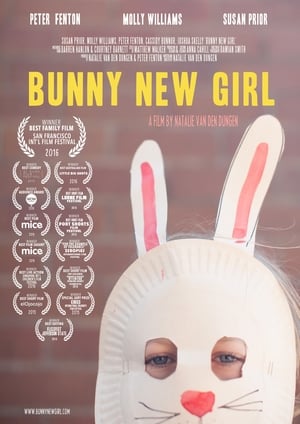
On her first day at a new school, a self conscious young girl learns that friendship can overcome difference.
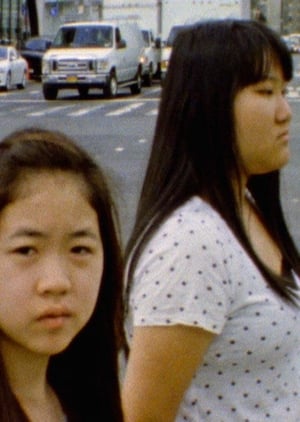
Dear features the interior world of two teenage Chinese girls in New York City, whose diary entries reveal their concerns related to growing up as immigrants amidst the ever-gentrifying landscape of Chinatown.
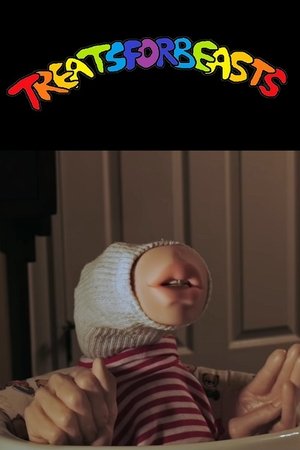
This short film begins with the character Chauncey (a puppet made of sex toys resembling a mouth and hands with a sock for a body) rolling around in a babies’ rolling chair and watching obscure cartoons and shows on TV. They have satirical, comedic, religious, and disturbing overtones... but to Chauncey and his Dad, this is normal. After a while of the cartoons and Chauncey eating a sausage and then throwing it up, the cartoons inspire Chauncey to ask a series of philosophical questions to his Dad. The questions involve what happens after death, the meaning of life, and Chances asking about his identity and why he’s different.
A trippy pop-art collage of phallic objects, naked women and American icons, most notably Elvis Presley.
Abstract video art created in 1979. Video and audio by Dean Winkler, Glenn Van Alstyne, Tom Lucke, Elaine Lewis, and Brian Aitchison. Chirp-1 / Quantel was created in two separate effects passes: At the RPI Video Synthesizer Lab an old porno tape (on stock that was donated to us) was processed using an analog Serge modular music synthesizer to sequence the sounds and control the colorization of an analog Hern video synthesizer. The sounds are also inserted into the video, which are the stripes you see, changing with frequency. The tape from the first pass was taken to EUE Video and used to seed an analog feedback loop around a Quantel 5000 digital effects device.
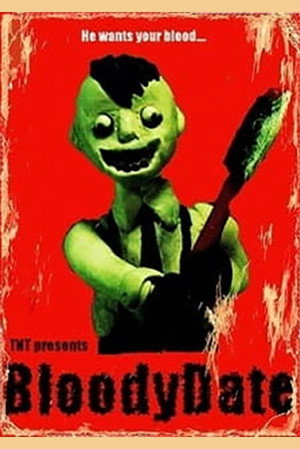
Your first date becomes your worst nightmare...
"I don't love you either, but we can be friends... Since you've killed me... at least stay with me a few more days." A story of reincarnation.
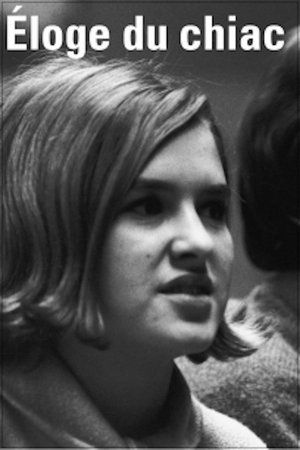
Set in New Brunswick, "Éloge du chiac" takes the form of an open discussion between a young French-language teacher and her students in Moncton. Through their exchanges, Michel Brault examines the challenges of preserving French in a bilingual region where English predominates, and explores the contested status of Chiac, a local French dialect shaped by centuries of linguistic contact.
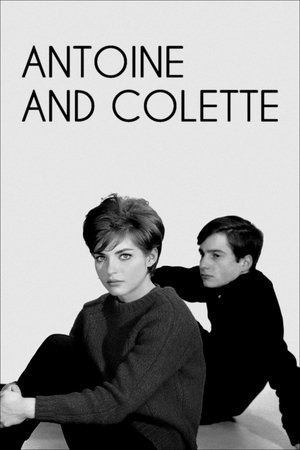
Now aged 17, Antoine Doinel works in a factory which makes records. At a music concert, he meets a girl his own age, Colette, and falls in love with her. Later, Antoine goes to extraordinary lengths to please his new girlfriend and her parents, but Colette still only regards him as a casual friend. First segment of “Love at Twenty” (1962).