Three former victims of incest relationships with their fathers speak openly about their experiences, their feelings and their psychological adjustment.
Ed Kimble, a structural ironworker, is followed during his workday building a skyscraper.
The comparative quality of workmanship in American car factories compared to foreign car manufacturers is examined.
A critique of several aesthetically unpleasant architectural elements in American cities and suburbs of the 20th century.
A day in the life of the truck driver Tom.
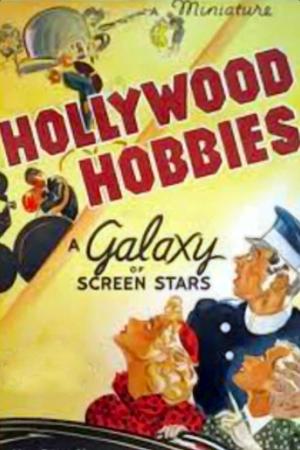
In this short film, two starstruck movie fans hire a tour guide and see a plethora of Hollywood stars.
An American family visits a concentration camp in Germany. At the museum, the father makes the acquaintance of an older man who questions his prejudices.
Unemployment at an early age and the problems that arise from it.
Kunst in Stein
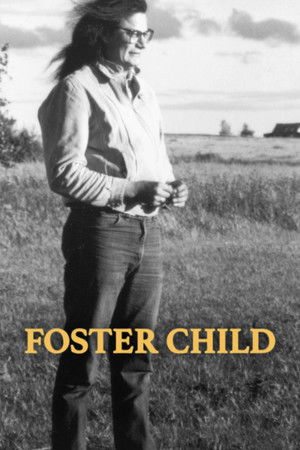
Gil Cardinal searches for his natural family and an understanding of the circumstances that led to his becoming a foster child. An important figure in the history of Canadian Indigenous filmmaking, Gil Cardinal was born to a Métis mother but raised by a non-Indigenous foster family, and with this auto-biographical documentary he charts his efforts to find his biological mother and to understand why he was removed from her. Considered a milestone in documentary cinema, it addressed the country’s internal colonialism in a profoundly personal manner, winning a Special Jury Prize at Banff and multiple international awards.
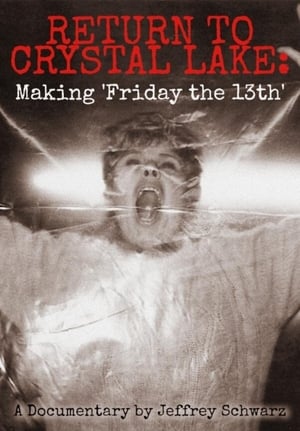
Cast and crew discuss how a no-budget slasher movie became an international sensation. Produced for the "Friday the 13th" DVD.
A portrait of the German city of Passau.
A look at the Hals Castle ruins near Passau.
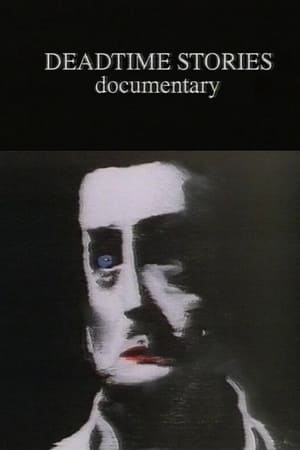
A documentary on the work of experimental British animator David Anderson.
The hairstyles of four Afro-descendant people from Mexican - Senegalese families, represent the starting point to reflect, through memories that emerge from their past and present, what it is like to live in México wearing a Black Crown and the consequences that implies.
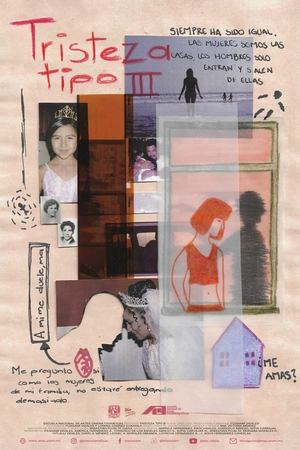
Itzanamí, a young woman, is facing stormy relationships. In his attempt to discover himself, he creates a documentary, wondering why he associates love with violence. Revisiting her family's past, and the relationships her grandmother and mother have gone through, she discovers the true face of love: the love between the women in her family.
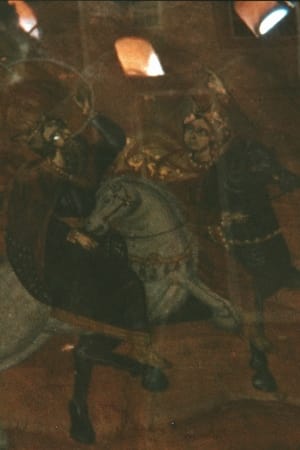
The first film made by Markopoulos after moving to Europe, Bliss was shot over the course of two days using only available light to create a lyrical study of the interior of the Church of St. John on the island of Hydra.
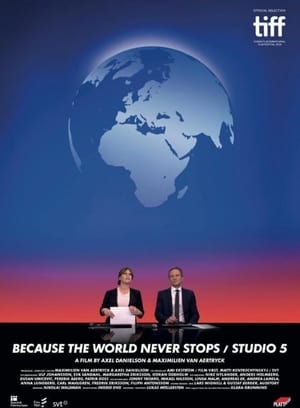
Shot live in the studio during the evening broadcast on Swedish public television, the film shows the news like you've never seen them before.
The history and importance of radio astronomy is examined.
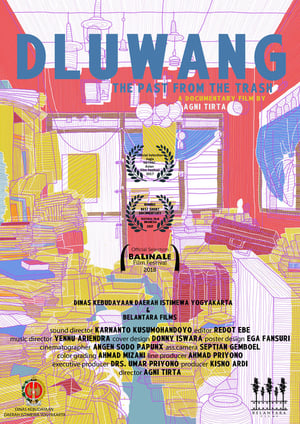
Toni is one of the figures who works in Klithikan flea market every day, either as a merchant or customer. His secondhand goods are those that are closely related to old papers. He often found historical documents or evidence out of the market. The klithikan’s goods are known as abandoned goods or trash. And the film talks about historical goods from trashes.