Flubs and bloopers that occurred on the set of some of the major Warner Bros. pictures of 1940.
Flubs and bloopers that occurred on the set of some of the major Warner Bros. pictures of 1942.
Flubs and bloopers that occurred on the set of some of the major Warner Bros. pictures of 1946.
On the morning of September 11th, Michael Trinidad called his ex-wife, Monique Ferrer, from the 103rd floor of the World Trade Center's North Tower to say goodbye. In the wake of his death, Monique tells the story of Michael's lasting legacy—the family they built together.
A documentary looking at the effects of World of Warcraft addiction.
Jia Zhangke’s short for Modern Weekly’s special tenth anniversary issue.
Shot in various villages throughout Yugoslavia, this is a disturbing document of a time when people were stabbing each other with knives without any real reason. Murderers, people who witness these murders and the families of victims all talk about the senseless violence and the human condition.
A third generation NZ born Niuean Female surfer, visits her Island of heritage for the first time only to discover there is no surf on Niue. But Mella's visit opens her eyes to the island's other beautiful qualities, the magical water, warm people, and clean unpolluted land. However she also discovers the low population has left the countries future hanging by a thread. This documentary is a record of Mella's journey to regaining her identity and first steps at becoming part of the solution in Niue's restoration of itself.
Szirtes's masterful experimental work is a dazzling composition of several years of filming within an industrial macro/microcosm, an abstract model of revolution and the beauty of daybreak.
Commissioned by the journal Présence Africaine, this short documentary examines how African art is devalued and alienated through colonial and museum contexts. Beginning with the question of why African works are confined to ethnographic displays while Greek or Egyptian art is celebrated, the film became a landmark of anti-colonial cinema and was banned in France for eight years.
The 1920s saw a revolution in technology, the advent of the recording industry, that created the first class of African-American women to sing their way to fame and fortune. Blues divas such as Bessie Smith, Ma Rainey, and Alberta Hunter created and promoted a working-class vision of blues life that provided an alternative to the Victorian gentility of middle-class manners. In their lives and music, blues women presented themselves as strong, independent women who lived hard lives and were unapologetic about their unconventional choices in clothes, recreational activities, and bed partners. Blues singers disseminated a Black feminism that celebrated emotional resilience and sexual pleasure, no matter the source.
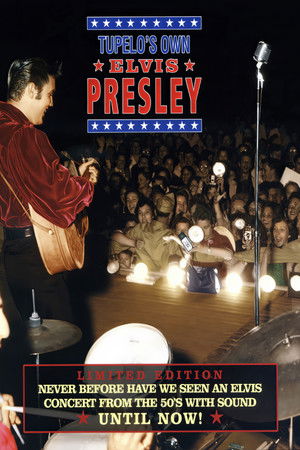
This film features unreleased concert footage of Elvis Presley's afternoon performance at the 'Mississippi-Alabama Fair and Dairy Show' held at the Fairgrounds in Tupelo, Mississippi on September 26, 1956. The professionally filmed black and white newsreel footage was synchronized with an amateur audio recording of the concert that had previously appeared on the 'Elvis Presley: A Golden Celebration' LP/CD box set.
An autobiographical journey for filmmaker Lawrence Johnston, who grew up as one of six siblings to his Aboriginal father Colin and non-Indigenous mother, Gloria. Their marriage was a tempestuous one that included physical and emotional abuse. Johnston's unflinching film is a personal and emotional journey that looks at love, marriage, family, and commitment, as he explores the effect his parents' marriage has had on his romantic ideals. His debut feature film Life won the FIPRESCI International Critics Prize at the 1996 Toronto Film Festival and was nominated for four Australian Film Institute Awards and four Australian Film Critics Circle Awards including Best Actor and Best Screenplay.
Robert Mapplethorpe gets his nipple pierced while his boyfriend lends his support in person. Patti Smith lends her support via voice over as she rambles on about her childhood, her transvestite brother, her breasts and Bob Dylan?
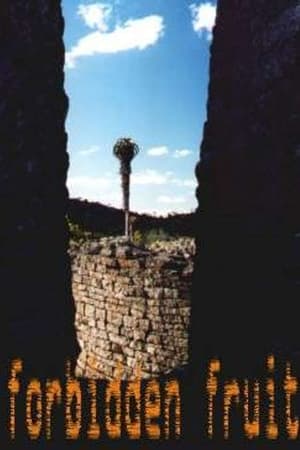
Filmed in Zimbabwe, the film depicts the romantic relationship between two women, and the aftermath of the discovery of their relationship
The original documentary on the Wigstock festival, back in the day when it was a much smaller affair in Thompkins Square Park. A full day of peace, love, and wigs…
Inspired by a poem by William Blake: a short experimental film about the perception of vision.
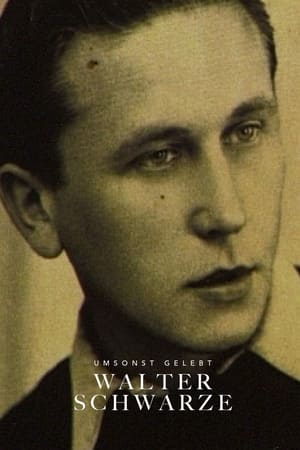
“This film is part of a series of films on gay men who survived the Nazi era. I met Walter Schwarze when he was already in his eighties. My camera recorded his first public account of his five-year incarceration as a homosexual at Sachsenhausen concentration camp. He was in his fifties when he met Ali in his hometown of Leipzig; the two men became partners and remained close until his demise. And yet, Walter told me, he felt he had lived in vain because he had not had the good fortune of today's gays, who are able to grow up in freedom. Walter Schwarze died of cancer on May 10, 1998.” Rosa von Praunheim
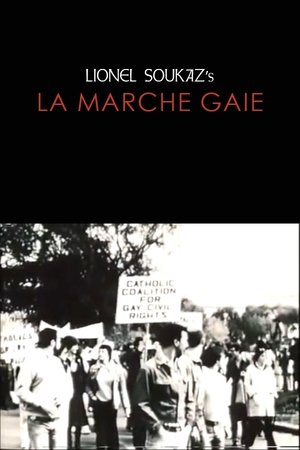
A short documentary about the October 14 1979 March For Lesbian And Gay Rights in Washington D.C.
Documentary about the ten days the director spent in Moscow, during the 1986 Moscow Youth Festival, as kind of a gay delegate.