The remarkable story of one woman raising an army of over 10,000 people to help save one of the rarest birds on Earth from the depths of extinction.
Phoolan is a documentary film about the extraordinary life of a village girl, gang-rape survivor, bandit leader, and finally parliamentarian. This is the story of one woman’s fight against incredible odds for justice and dignity. Known as India’s Bandit Queen, Phoolan Devi is considered by many to be one of the most extraordinary and controversial women of our time.
The story of Nisar Ahmed Khan, told through his children and the people he served, a spiritual guide whose followers still visit his tomb on his birth and death anniversaries. And alongside how his family spends a few days at the village keeping his traditions alive.
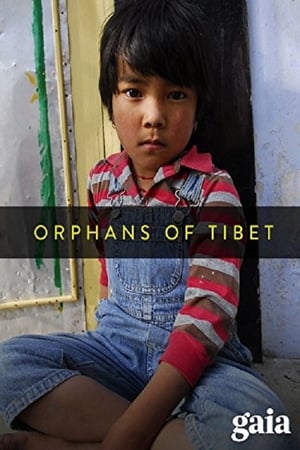
Each year, groups of Tibetan children secretly flee their homeland over the Himalayas to reach schools in India founded by the government in exile. Entrusted to smugglers, they are risking their lives by illegally crossing the great Himalayan range, a towering rampart between Tibet and India. The director will take us in the Mussorie school, in North India, where two thousand four hundred children have been rescued. They have left behind their family childhood and are now considered as orphans. We will discover the itineraries of Sonam, aged nine, and Dholma, the little new girl of the school. Here in India, they are taught about Tibetan culture and will find out about the history of their country and their ancestors. Sonam and Dholma's story is that of thousands of Tibetan children. Are they orphans of a lost country or bearers of hope who will save an endangered culture?
Jugaad is a Hindi word that can be translated as "innovative or effective solution that bends the rules". It refers to the extreme capacity developed by Mumbai's inhabitants to adapt and get around any type of constraint or obstacle posed by the city's urban structure. In a relatively small piece of land where 21 million people live today, the inhabitants of Mumbai demonstrate great creativity when it comes to managing the spaces (for sale, for prayer, for traffic) and the flows that cross them every day. Without using language, Hong Kong artist Chak Hin Leung brings together in this video a dozen unique situations in which people, animals, vehicles and natural elements intermingle and brush up against each other, without ever colliding.
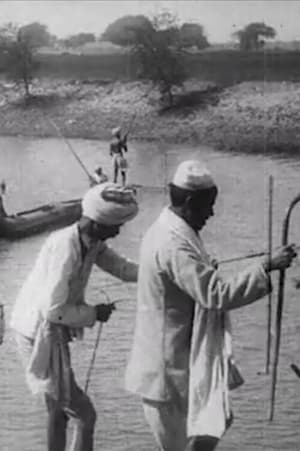
As part of the 2017 UK-India Year of Culture, the British Council and British Film Institute share a unique collection of films documenting the sights and culture of a bygone India. Filmed between 1899-1947, and preserved in the BFI National Archive since then, these rare films capture many glimpses of life in India, from dances and markets, to hunts and pageantry.
Documentary on the construction of Chandigarh, the new capital of the Indian Punjab region, planned by Albert Mayer and Swiss architect Le Corbusier.
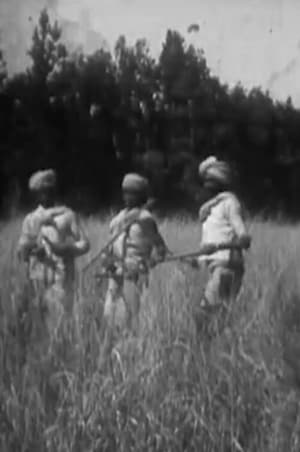
Military occasions around India and Pakistan, featuring the Khyber Pass, Srinagar, Rawalpindi and Peshawar.
A Suitable Girl follows three young women in India struggling to maintain their identities and follow their dreams amid intense pressure to get married. The film examines the women's complex relationship with marriage, family, and society.
Amateur shots of pilgrims and temples at Haridwar, followed by rural scenes and the Gorrie family at home.
Documentary detailing a farmer’s visit to the market in Rawalpindi.
Amateur footage of the devastation caused by one of South Asia's worst earthquakes.
From the arrival of a new viceroy to street markets, this amateur film captures the diversity of life in colonial India.
Extraordinary footage of prayers in the Punjabi capital.
A new scientific expedition follows the King Cobra into the wild for the first time.
The Little Ballet Troupe of Bombay performs a "puppet ballet" of the Hindu epic, the Ramayana.
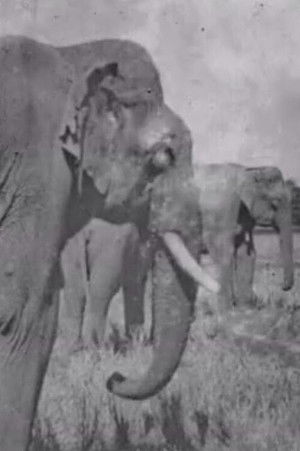
Indian elephants in action as working animals and in hunting.
Rare stencil-coloured images of early 20th century Delhi during a Muslim festival.
A film produced to celebrate the coronation of George V as King-Emperor at the Imperial Durbar of 1911.
A demonstration of sport and fitness by members of the Indian Army.