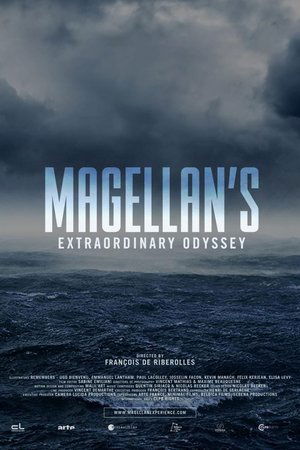
L'Incroyable Périple de Magellan
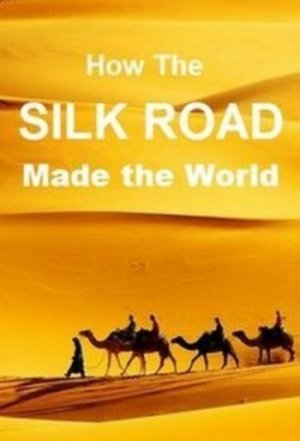
How the Silk Road Made the World 3 x 60' NHNZ/CCTV (China Central Television) The Silk Road is one of humanity’s greatest enterprises. For thousands of years across the vastness of Eurasia, a trade route linking east and west has deeply influenced history. Silk Road trade has helped to build and break empires, fed revolutions and profoundly affected civilisations. Humanity as we know it, and all we have created, owes much to the legendary Silk Road. This is true of objects as basic yet revolutionary as a piece of paper, to the complex metropolis of New York City. Travel through time to witness the evolution of ancient warfare, experience the horror of the Black Death, see the explosive impacts of innovations and live through radical social change. Embark on a dramatic historical journey throughout Eurasia and delve into the captivating tales of this world-famous trade route. Discover How the Silk Road Made the World.
Aux frontières de l'Histoire - La France
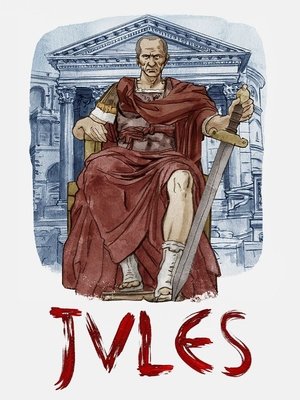
Jules
Vikings is a 2012 BBC television documentary series written and presented by Neil Oliver charting the rise of the Vikings from prehistoric times to the empire of Canute.
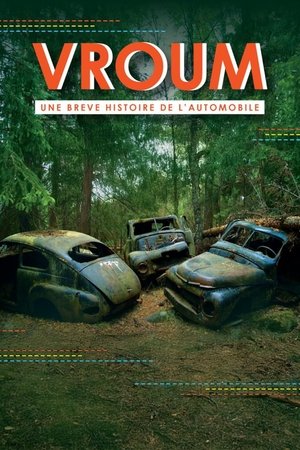
Our cities, transformed a mere century ago to accommodate cars, now want to rid their streets of them. Countries go to war over fuel shortages, and automobiles are at the core of a global ecological crisis. Today, the history of automobile has hit its climax. How did we get here? How did the invention of a single machine reorganize how we work, revolutionize our lifestyles, transform our landscapes, trigger global crises and wreak havoc with the equilibrium of our planet? This documentary series explores the creation and meteoric development of an unprecedented object - the automobile - and its role in mankind’s wild race toward progress.
A documentary which explores the remarkable parallels between the careers of Adolf Hitler and Winston Churchill, as well as their personal rivalry and animosity.
The story of how women have fought their way into the world of sport, an arena jealously guarded by men.
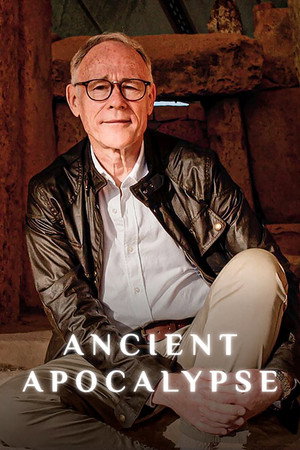
Journalist and writer Graham Hancock travels the globe hunting for evidence of mysterious, lost civilizations dating back to the last Ice Age. He attempts to prove that a climatic event 12,000 years ago wiped out an entire civilization far more sophisticated than the simple hunter-gatherers some archaeologists believe lived at that time.
The Blues (2003) is a seven-part documentary series produced by Martin Scorsese that explores the history and influence of blues music. Each episode, directed by a different filmmaker, traces a unique aspect of the genre’s evolution—from its African roots to its global impact. Originally airing on PBS, the series includes Scorsese’s Feel Like Going Home, Wim Wenders’ The Soul of a Man, Richard Pearce’s The Road to Memphis, Charles Burnett’s Warming by the Devil’s Fire, Marc Levin’s Godfathers and Sons, Mike Figgis’ Red, White and Blues, and Clint Eastwood’s Piano Blues.
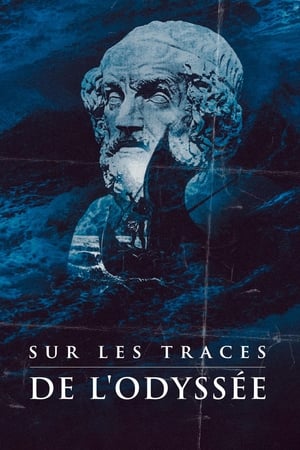
Who was Homer, and what is the meaning of The Odyssey? In this documentary we follow the footsteps of Ulysses, also known by his Greek name Odysseus—a hero as relevant today as he was nearly three thousand years ago, on a journey across some of the most fascinating landscapes and seascapes of the Mediterranean region. With the help of prominent international scholars, we seek to resolve the questions that still surround one of humanity’s greatest literary works and its enigmatic author.
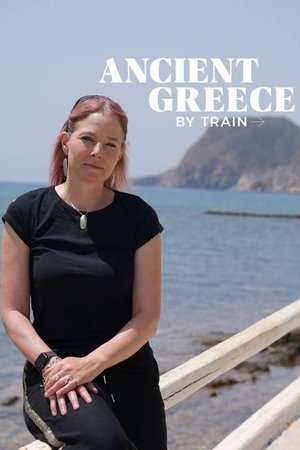
Professor Alice Roberts travels across Greece and thousands of years back to our collective past, tracing how the Ancient Greeks developed philosophy, art, theatre and democracy.
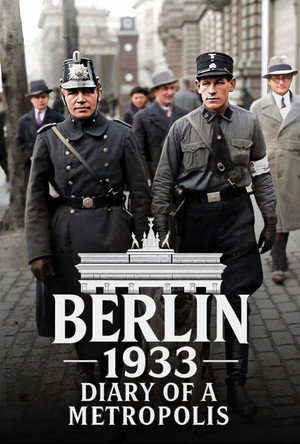
Berlin 1933 – Diary Of A Metropolis tells the story of how Berlin, the vibrant hub of modernity, became Germany's staunch capital city in step with the Third Reich. Contemporary journals, letters and documents, photographs and film material, form a dense collage of the dynamics of this collectively organised disaster.
Les gangsters et la république
Jonathan Roberge dives into the world of Montréal crime during the 1957-1977 period, when the city saw a prolonged war between the police and bank robbers.
1942, un monde en guerre
Nearly 1,000 years ago, the Vikings left Scandinavia and settled across Europe - giving their name to Normandy along the way - before their Norman descendants seized the English throne at the Battle of Hastings in 1066. But what do we really know about them? By combining expert analysis with compelling drama, 'The Last Journey of the Vikings' (Swedish title: 'Vikingarnas sista resa') tells a new and often surprising story about this complex people.
Dan Snow goes on an epic historical journey through Egypt - from glorious Luxor to a luxury steamer on the Nile, and the ancient pyramids to the packed streets of Cairo.
L’or : luxe, épopées et légendes
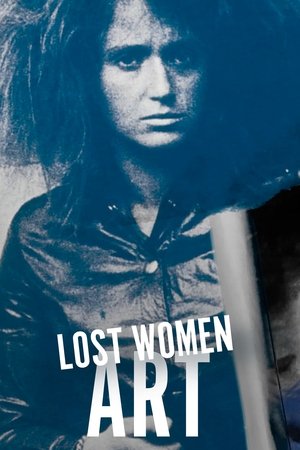
Women write art history – but in turn are systematically ignored by it. LOST WOMEN ART tells the story of the suppressed female avant-garde and by doing so introduces a new art history.