A seagull, a dog, a child, a call to prayer; Looking through a window, the corridor of a train, the wall of a medina; Everyday life is momentarily paused through the eyes of a stranger in an unknown land.
In one of those wonderful coincidences of history, lumière, the French word for “light,” was also the last name of brothers Auguste and Louis, whose brilliant invention, the cinematograph, helped to inaugurate the most beloved art form of the last 130 years. Institute Lumière director Thierry Frémaux uses Lumière, Le Cinema! to guide the viewer through over a hundred shorts—some famous, some forgotten, some never before seen—directed by Lumière and company. In the process, Frémaux illuminates how the brothers employed the camera as a creative instrument as they (and their operators) mastered framing, staging, and subject selection for quotidian and exotic microdocumentaries as well as the first ever fictional motion pictures. The result is not only a glorious re(telling) of the genesis of cinema but a profound meditation on the beautiful world captured—and the mysterious world imagined—by the Lumières.
A coming of age celebration about the year of 2023 through the eyes of a young filmmaker.
Martin Greenfield learned to sew while mending shirts for the Gestapo in Auschwitz and went on to make suits for U.S. presidents and stars. Now, at 95, America’s greatest tailor is grappling with his legacy.
Women, landscapes and manifestations of color meet experimentally with the possibilities of the artisanal copying technique on 16mm.
Starting from frame by frame in-camera editing, the film translates a nursery garden from Chillán into a filmic landscape, with a rhythm and structure coming from a personal relationship with color, light and occurrences that took place near the end of the summer at the Olaxis garden. This is the first part of a work which takes reference from Violeta Parra's poetry, created from flowers, plants and certain places of the Ñuble area.
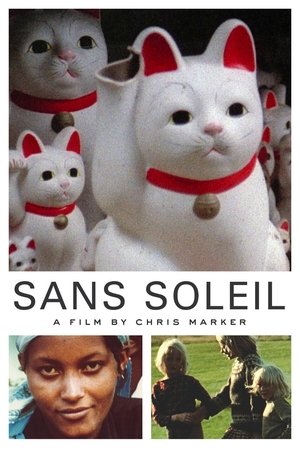
A woman narrates the thoughts of a world traveler, meditations on time and memory expressed in words and images from places as far-flung as Japan, Guinea-Bissau, Iceland, and San Francisco.
College students confront sexual violence on their campus through a transformative theater process. This urgent coming of age story follows young adults grappling with sex, consent, identity, and power on their paths to adulthood.
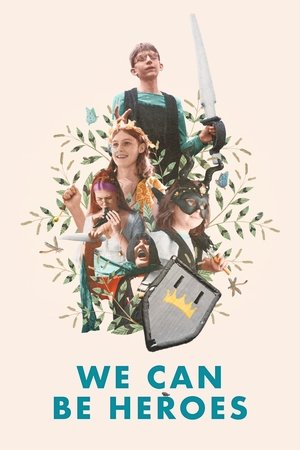
Sometimes, finding your tribe requires a bit of magic. For attendees of a live action role-playing (LARP) camp in upstate New York, the deeply accepting environment has given neurodivergent, queer, and self-proclaimed "nerdy" teenagers the space and community for self-discovery that they have never found anywhere else. As the campers immerse themselves in this imaginative world, they discover inner strength, heal from past traumas, and emerge as the heroes they are meant to be, both in the fantasy realm and in real life.
Corée du Sud, de la K-pop au bouddhisme
Jo; or The Act of Riding a Bike is Zefier's third film.
A group of young filmmakers enjoy their last summer together, before they leave Latvia for universities in vastly different countries.
Outtakes, commentary from Zefier's third film: Jo; or The Act of Riding a Bike.
A movie including footages of nature talking about the journey of life
Two gay men in Japan discuss the end of their respective relationships.
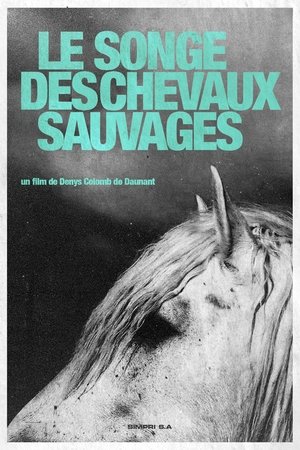
The horses in Denys Colomb Daunant’s dream poem are the white beasts of the marshlands of the Camargue in South West France. Daunant was haunted by these creatures. His obsession was first visualized when he wrote the autobiographical script for Albert Lamorisse’s award-winning 1953 film White Mane. In this short the beauty of the horses is captured with a variety of film techniques and by Jacques Lasry’s beautiful electronic score.
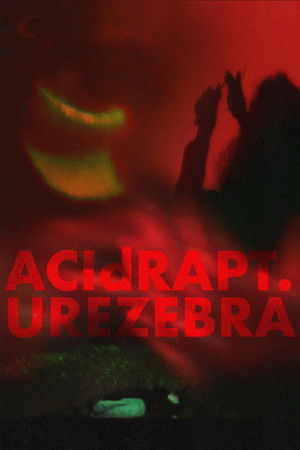
ACIdRAPTURE ZEBRA
A look at the growing epidemic of suicide in the America. It looks at those effected by suicide and talks to people who have attempted suicide. It also talks to service professionals (EMT crews, workers at suicide hot-lines, and psychologists) who are attempting to confront this problem.
Filmmaker Tobias Hermansen has battled depression for years, facing moments of darkness that shaped his perspective on life. Through his struggles, he discovered the power of storytelling as both an escape and a means of self-expression. Now, he channels his personal experiences into powerful, deeply emotional films that illuminate mental health and human resilience, inspiring others through storytelling.
When a school with a less-than-average track record enters a local basketball league, a road of opportunity, growth and heart awaits.