Through the testimonies of some Italian women, the documentary evokes the day of 2 June 1946, when they were called upon to cast their vote for the first time. The battles conducted by Italian women in the years leading up to 1946 to demand recognition of the right to vote. The approval of the right to vote for women by the Italian Parliament on 1 February 1945, at the proposal of the Italian Communist Party Secretary Palmiro Togliatti and statesman and founder of the Christian Democratic Party De Gasperi. The role of the first 21 women elected to the Constituent Assembly on 2 June 1946, and their contribution to the writing of the Italian Constitution.
This early, influential propaganda film blends documentary and studio footage to show the valiant efforts of the Royal Air Force to defend the British people against the Nazis.
FIAT EMPIRE was one of the first films to come out on the Federal Reserve System providing a valuable primer on a complex subject. This 60-minute documentary explores why some feel the "Fed" is a "bunch of organized crooks" (as John Adams put it) and others feel some of its practices "are in violation of the U.S. Constitution." Discover why experts agree the Fed is a banking cartel that benefits mainly bankers, their clients in need of "easy money" and bailouts, and a Congress that would rather go deeper in debt than seek funding from its constituents. Long-term studies indicate the Federal Reserve System encourages war, destabilizes the economy (by causing boom and bust cycles), generates inflation (a hidden tax) and is the supreme instrument of unjust enrichment for a select group of insiders. If you are fed up with an ever-expanding state and corporations that are "too-big-to-fail," look no farther than the fiat currency printed by the Federal Reserve System.
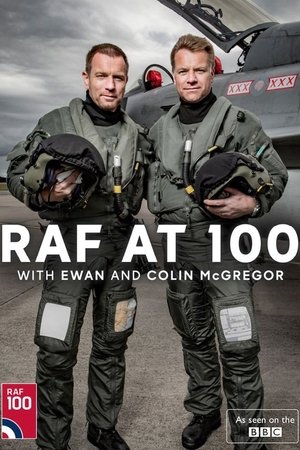
To celebrate the centenary of the Royal Air Force, Ewan and Colin McGregor take to the skies in some of the world's most iconic planes. These are the planes that were involved in aerial combat at every stage of the RAF's story, from the biplanes used in the early days of dogfighting in World War I to the beautiful Spitfire of the Battle of Britain, the plucky Lysander and on to mighty Vulcan nuclear bomber, as well as the Chinook helicopter and supersonic Typhoon that are still in service today. It is a story of amazing machines and epic battles, but above all it is the story of the men and women whose courage and ingenuity have been at the heart of the RAF for 100 years. On their journey Ewan and Colin meet an amazing cast of characters.
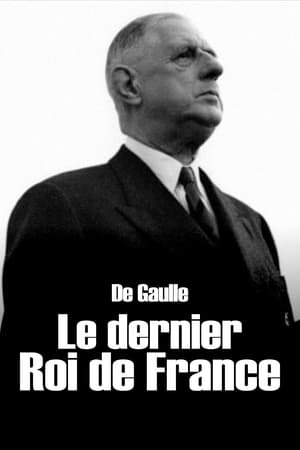
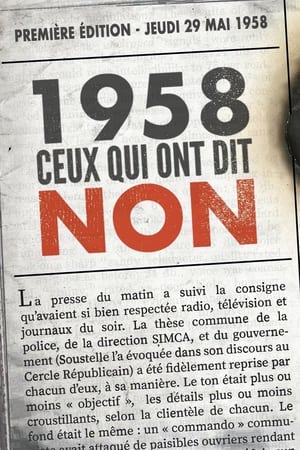
On October 4, 2018, France celebrated the 60th anniversary of the Fifth Republic. It is a republic born in the throes of the Algerian War and one which—from the day it was founded by General de Gaulle until the presidency of a very Jupiterian Emmanuel Macron—has been assailed as a “Republican monarchy” by partisans of a more assertive parliamentarian state. By revisiting the struggle of those who dared oppose the new regime — only to suffer a crushing defeat on September 28, 1958, when they were barely able to garner 20% of the vote against the constitutional text — this film shines a powerful new light on the origins of the Fifth Republic and its consequences for the next 60 years. It is a constitutional debate that planted the seeds for a complete upheaval of the French political landscape, on the left in particular, and set the country in motion toward what would be called the Union of the Left.
The 1905 law proclaiming the separation of church and state is 120 years old. This law affirms freedom of conscience and religious freedom. It is considered the founding text of secularism. Secularism is the subject of endless controversy and debate.
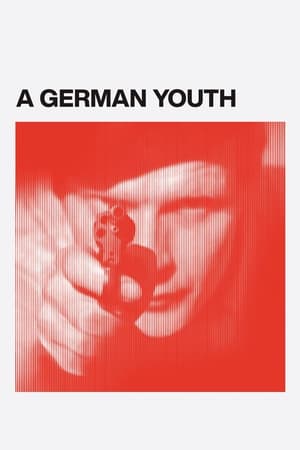
At the end of the 1960s the post-war generation began to revolt against their parents. This was a generation disillusioned by anti-communist capitalism and a state apparatus in which they believed they saw fascist tendencies. This generation included journalist Ulrike Meinhof, lawyer Horst Mahler, filmmaker Holger Meins as well as students Gudrun Ensslin and Andreas Baader.
This is the story of a living legend and his part in one of the greatest exploits in British military history: Operation Chastise was the code name given to one of the most audacious air raids of World War II - on the night of 16/17 May 1943, nineteen Lancasters with 133 men of the specially formed 617 Squadron took off from RAF Scampton to attack the Mohne, Sorpe, Ennepe and Eder dams at the heart of the Ruhr. Squadron Leader Johnny Johnson DFM is one of the Last of the Dambusters and hero of the most daring air raid of World War Two.
Dancing Around the Table: Part One provides a fascinating look at the crucial role Indigenous people played in shaping the Canadian Constitution. The 1984 Federal Provincial Conference of First Ministers on Aboriginal Constitutional Matters was a tumultuous and antagonistic process that pitted Prime Minister Pierre Elliot Trudeau and the First Ministers—who refused to include Indigenous inherent rights to self-government in the Constitution—against First Nations, Inuit and Métis leaders, who would not back down from this historic opportunity to enshrine Indigenous rights. The conference was Pierre Elliott Trudeau’s last constitutional meeting before he resigned and the process was handed over to his successor, Brian Mulroney.
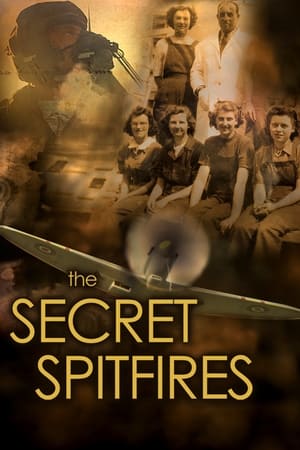
Spitfires were the nemesis of the Luftwaffe and the instrument which halted Hitler’s plans for invasion. After relentless bombing of the Spitfire factories in Southampton, the Germans were convinced they had halted the production of the Spitfires for good. But across the South of England, hidden in sheds, garages, back gardens, bedrooms, a bus depot, and even a hotel, a workforce of unskilled young girls, boys, women, elderly men, and a handful of engineers secretly built thousands of Spitfires to help win the war. Witnesses recount this never-before-told story of amazing achievement.
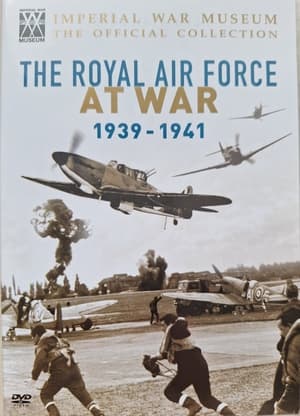
Compiled from the Imperial War Museum Official Collection, this film collects rare and previously unseen film material shot by official cameramen on behalf of the RAF before the formation of the RAF Film Production Unit in September 1941. It tells the story of the RAF in the early years of the Second World War through the "phoney war", the Blitzkfreig and the Battle of Britain, capturing everyday life for those who served as wel as the RAF's frontline aircraft of the period. Other highlights include a fillmed account of a Blenheim raid on Northern France, a Sunderland flying boat sortie over Norway and Winston Churchill inspecting the new American aircraft for the RADF including the B-17, Douglas Boston and P-40.
This documentary traces the history of the Short Sunderland Flying Boat, from its introduction to service in the RAF in 1938 it was to become one of the longest serving careers of any front-line aircraft. The Sunderland was one of the very few types to remain in operational service through the Second World War and the only RAF aircraft to perform front-line duties for the whole of the Korean War. When it finally retired in 1959, it had served for a total of twenty one years and had built up a reputation as a tough and reliable workhorse.
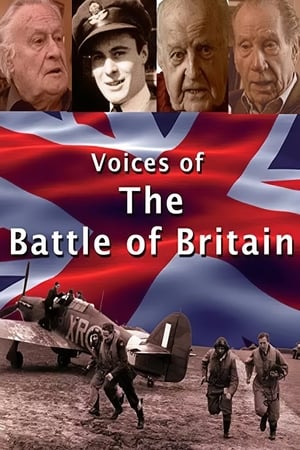
Three part documentary of the history of the Royal Air Force during World War Two. They combine actual Air Ministry films and period newsreel footage with interviews of surviving members of the air force. The first part covers the period from the 'phoney war', the invasion of Poland and the early bombing raids on enemy shipping, through to the attacks on France. Aircraft featured include the Blenheim and Wellington bombers, the Sunderland flying boat, Spitfires and Hurricanes and the opposing ME109.
Three part documentary of the history of the Royal Air Force during World War Two. They combine actual Air Ministry films and period newsreel footage with interviews of surviving members of the air force. This final part covers the the years 1941-1945 from the campaigns to attack German military targets to mass night bombing, primarily from the viewpont of Bomber Command, and associated Air-Sea rescue. It ends with the food aid flights to the Netherlands immediatly prior to Victory in Europe. Featured aircraft include the Bristol Blenheim, the Vickers Wellington, and the heavy bombers Short Stirling, Handley Page Halifax and Avro Lancaster.
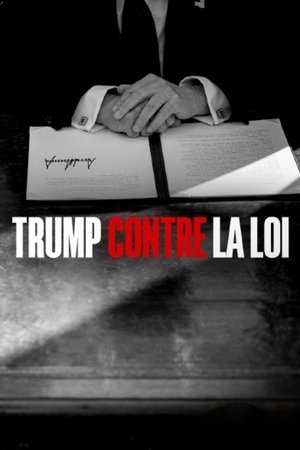
FRONTLINE goes inside the high-stakes showdown between President Donald Trump and the courts over presidential power. Trump allies, opponents and experts talk about how he is testing the extent of his power; the legal pushback; and the impact on the rule of law.
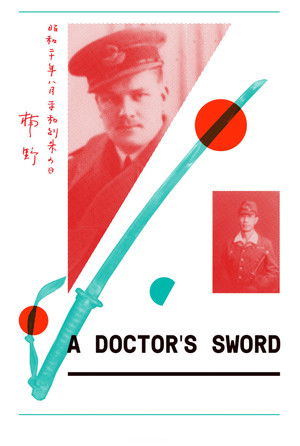
An Irish doctor survived the atomic bomb attack on Nagasaki and was given a Samurai sword for the lives he saved. 70 years later his family searches for the origin of their father's sword.
The Stammheim trial against the leadership of the first generation of the RAF was one of the most elaborate in the Federal Republic of Germany. Through this trial, Stammheim also became a place of identity for the RAF. The docudrama uses the perspective of Horst Bubeck, who as a prison officer in the cell wing had the most intensive contact with the prisoners, to shed new light on the history.
From an archived interview originally recorded in 1982, this 1990 production reveals the findings of chief congressional investigator, Director of Research, Norman Dodd, and exposes the scope and purpose of various organizations in the findings of the 1953 Reece Special Committee on Tax Exempt Foundations.
Giscard, l'impossible retour
An all-star cast lead by Richard Dreyfus perform sketches celebrating the bicentennial of the U.S. Constitution, including new animation done by Disney.