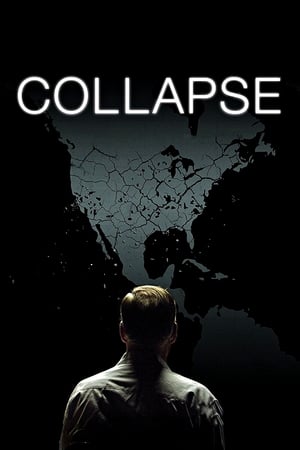
From the acclaimed director of American Movie, the documentary follows former Los Angeles police officer turned independent reporter Michael Ruppert. He recounts his career as a radical thinker and spells out his apocalyptic vision of the future, spanning the crises in economics, energy, environment and more.
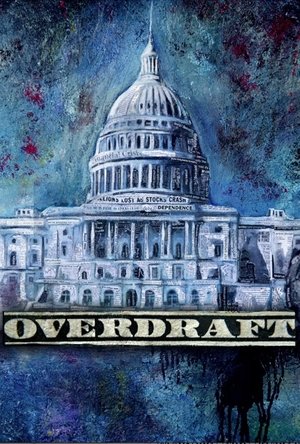
Overdraft is an award-winning film featuring leading thinkers and policymakers from across the aisle exploring major topics such as entitlement programs, defense spending, tax reform and the choices that America’s debt forces on individuals and businesses. Independently produced, Overdraft was launched in August 2012, and made available for broadcast on public television for two years through the National Educational Telecommunications Association (NETA).
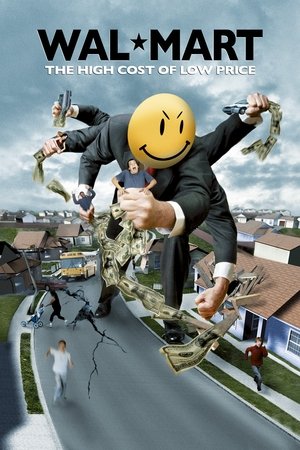
This documentary takes the viewer on a deeply personal journey into the everyday lives of families struggling to fight Goliath. From a family business owner in the Midwest to a preacher in California, from workers in Florida to a poet in Mexico, dozens of film crews on three continents bring the intensely personal stories of an assault on families and American values.
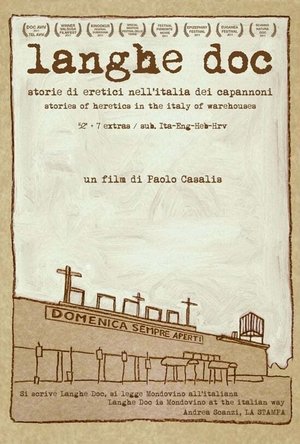
Three characters, three stories of "heretics", three food producers who think in a different way to describe the transformation of our Country in what in “Langhe Doc” Giorgio Bocca calls the Italy of warehouses. We're in Langhe, a unique territory, universally recognized as one of the most beautiful places in Italy, fresh candidate for Unesco World Heritage but afflicted by uncontrolled economic development, urbanization, overbuilding, abandonment of the less profitable areas. Those of Maria Theresa, Silvio and Mauro are stories of people who have insight into a future they do not like and have chosen to refuse it. Their challenges are still open, they're not yet fully met and perhaps they never will: these heretics move in one direction, while the world moves in another, quite the opposite one.
The reality of life before, during, and after the signing of the North American Free Trade Agreement (NAFTA), and the profound effects the economic agreements between big business and government can have on human lives. Filmed over a three year period in Canada, the United States, and Mexico, this documentary poses a sobering question: In this global war of cut-rate economies, are people on the losing side?
When, in 2014, the charismatic German-Bulgarian Ruja Ignatova introduced OneCoin, a new cryptocurrency, she claimed that it was destined to become the world's most important digital currency and would change the course of history.
Michael Moore comes home to the issue he's been examining throughout his career: the disastrous impact of corporate dominance on the everyday lives of Americans (and by default, the rest of the world).
Let’s Make Money is an Austrian documentary by Erwin Wagenhofer released in the year 2008. It is about aspects of the development of the world wide financial system.
A documentary on the history and present-day reality of big-business tax avoidance, which has seen multinationals depriving governments of trillions of dollars in tax revenues by harboring profits in offshore havens.
Directors Twila Raftu and Shaun Cronin explore the controversial issue of free data exchange and the growing impact of copyright legislation, intellectual property laws and digital rights management from the viewpoint of those dedicated to the unregulated flow of creative products and information. Advocates of "free culture," including Xbox hacker Andrew "Bunnie" Huang and underground rapper Adam "Doseone" Drucker, offer opinions and commentary.
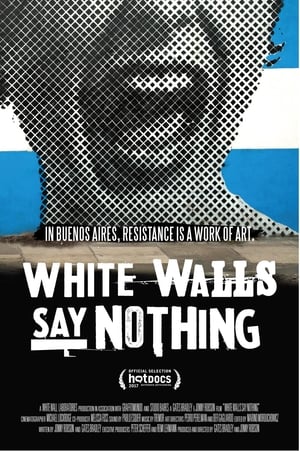
Buenos Aires is a complex, chaotic city. It has European style and a Latin American heart. It has oscillated between dictatorship and democracy for over a century, and its citizens have faced brutal oppression and economic disaster. Throughout all this, successive generations of activists and artists have taken to the streets of this city to express themselves through art. This has given the walls a powerful and symbolic role: they have become the city’s voice. This tradition of expression in public space, of art and activism interweaving, has made the streets of Buenos Aires into a riot of colour and communication, giving the world a lesson in how to make resistance beautiful.
Based on Thomas Ferguson's book Golden Rule: The Investment Theory of Party Competition and the Logic of Money-Driven Political Systems this film offers an in depth look at the influence of money in politics--analyzing social forces and events that the mainstream media and scholarship have largely distorted or kept hidden. It also analyzes the meaning of democracy.
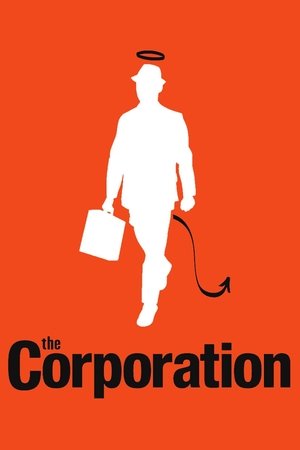
Since the late 18th century American legal decision that the business corporation organizational model is legally a person, it has become a dominant economic, political and social force around the globe. This film takes an in-depth psychological examination of the organization model through various case studies. What the study illustrates is that in the its behaviour, this type of "person" typically acts like a dangerously destructive psychopath without conscience. Furthermore, we see the profound threat this psychopath has for our world and our future, but also how the people with courage, intelligence and determination can do to stop it.
This documentary from 1987 looks at the serious malaise that plagued the US manufacturing sector at the time. No longer competitive in the world market, and forced to buy more than it could sell, the US nevertheless continued to bask in the glow of past glory rather than face its immediate predicament. Meanwhile, Japan and other Pacific Rim countries were gaining economic ground, perhaps permanently. This film was part one of the series, Reckoning: The Political Economy of Canada.
This feature documentary is an inquiry into Canada's economic troubles of the 1970 and '80s. The film summarizes the facts at hand, including some pre-NAFTA speculation about economic dependency on the United States. At roughly thirty percent, the Canada of a few decades ago was more foreign-owned than any other country in the world. Still, however, a great and stubborn national pride in our cultural and social idiosyncrasies persists, resulting in the confidence to look elsewhere besides the United States for economic alliances and models. This episode is the fifth and last part of the series Reckoning: The Political Economy of Canada.
This documentary focuses on boom-and-bust economic cycles, most notably that of Alberta oil during the '70s and early '80s. When the bust hit after a drop in world oil prices, those business people who knew how to "ride a tornado" cut their losses and moved on, while others were left devastated. When Newfoundland was faced with a possible oil boom of its own in the mid-'80s, it took the lessons of Alberta to heart. Part 3 of the series, Reckoning: The Political Economy of Canada.
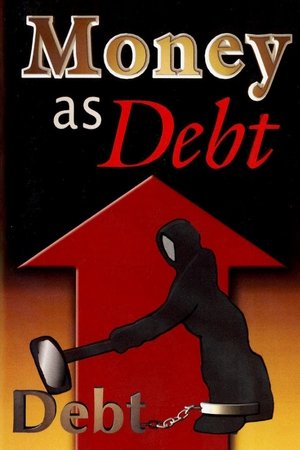
Paul Grignon's 47-minute animated presentation of "Money as Debt" tells in very simple and effective graphic terms what money is and how it is being created
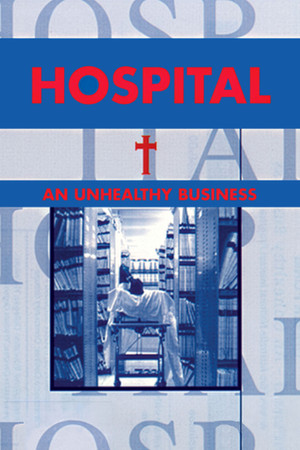
St. Vincent's Hospital, Melbourne, faces the challenge of treating patients with limited finance. Administrators, doctors and nurses plan how to cut costs by reducing the number of operations, closing wards and justifying every expenditure.
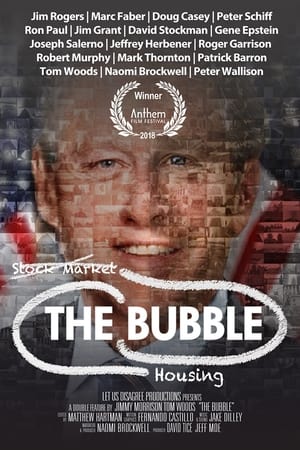
Diving deep into the true causes of the Great Recession, the financial crisis of the 2010s, renowned economists, investors and business leaders explain what America is facing if we don't learn from our past mistakes. Is the economy really improving or are we just blowing up another Bubble?
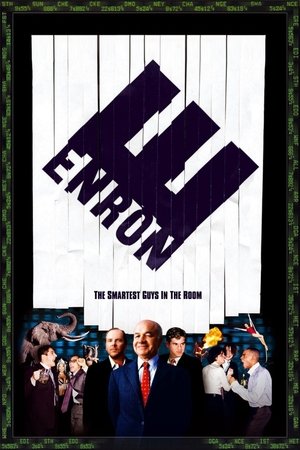
A documentary about the Enron corporation, its faulty and corrupt business practices, and how they led to its fall.