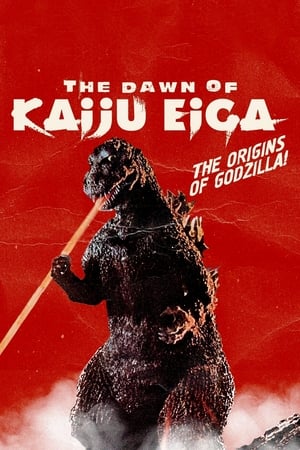
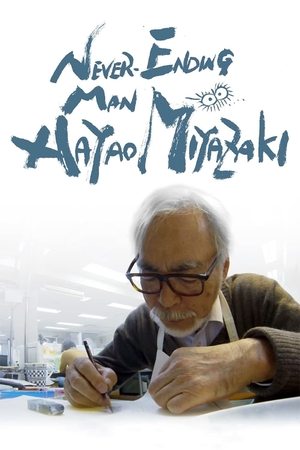
A documentary about the legendary Japanese filmmaker.
Omnibus: François Truffaut
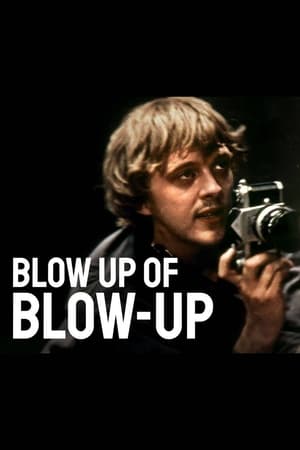
Documentary about Michelangelo Antonioni's 1966 film.
The love story of pop icon Jennifer Lopez and movie star Ben Affleck began with a movie set meeting in 2002, then weaved to a Las Vegas altar 20 years later.
For three years, Vincent Lindon recorded himself on his iPhone to document his insecurities, fears and fits of rage as if in a diary. Thierry Demaizière and Alban Teurlai use these unique recordings to paint an unusual portrait of the actor, who openly addresses personal questions about his profession, his age and his emotions.
Four lives that could not be more different and a single passion that unites them: the unconditional love for their cinemas, somewhere at the end of the world. Comrades in Dreams brings together six cinema makers from North Korea, America, India and Africa and follows their efforts to make their audiences dream every night.
Documentary about a lost sequence from Pier Paolo Pasolini's 1971 film "The Decameron".
Documentary featuring a candid interview with Kieślowski and rare behind-the-scenes footage from the set of The Double Life of Véronique
Documentary about the making of Pier Paolo Pasolini's The Canterbury Tales (1972), and particularly focusing on the many edits and cut scenes that were made before the film's release.
For the first time one of Hollywood's greatest stars tells his own story, in his own words. From a childhood of poverty to global fame, Cary Grant, the ultimate self-made star, explores his own screen image and what it took to create it.
France, le plus beau décor de cinéma
The story of the shooting of Satan's Blood (Escalofrío), a film directed by Carlos Puerto in 1978.
Documentary on Ciby 2000, the French film production company founded by Francis Bouygues in 1990.
The life and career of the hailed Hollywood movie star and underappreciated genius inventor, Hedy Lamarr.
A portrait of the British writer Thomas Hardy (1840-1928), who, although he had radical instincts, hated hypocrisy, was of great poetic brilliance, had a tragic perception of life and a calm outward appearance, was at heart a man of seething and somber darkness.
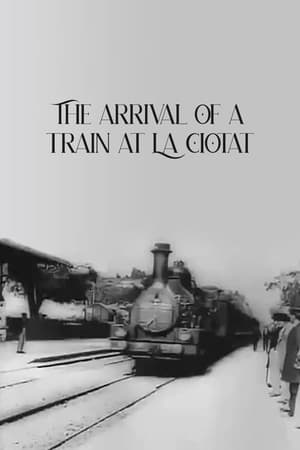
A group of people are standing along the platform of a railway station in La Ciotat, waiting for a train. One is seen coming, at some distance, and eventually stops at the platform. Doors of the railway-cars open and attendants help passengers off and on. Popular legend has it that, when this film was shown, the first-night audience fled the café in terror, fearing being run over by the "approaching" train. This legend has since been identified as promotional embellishment, though there is evidence to suggest that people were astounded at the capabilities of the Lumières' cinématographe.
Six elderly retired women, two from Buenos Aires, Argentina; two from Montevideo, Uruguay; and two from Madrid, Spain, have something in common, despite their different interests and lives: they go to the movies almost every day.
The brilliant Czech writer Milan Kundera has not given an interview in thirty years; nor does he appear in public. How did he become a legendary author? What is so unique about his books?
From her precocious status as a sex symbol to her consecration as a filmmaker, Jodie Foster's story is about a feminist struggle, albeit atypical, fought on and off the screen. This film sets out to retrace her remarkable journey within the Hollywood industry.
Cinecitta is today known as the center of the Italian film industry. But there is a dark past. The film city was solemnly inaugurated in 1937 by Mussolini. Here, propaganda films would be produced to strengthen the dictator's position.