Doctors of the Dark Side is the first feature length documentary about the pivotal role of physicians and psychologists in detainee torture. The stories of four detainees and the doctors involved in their abuse demonstrate how US Army and CIA doctors implemented the Enhanced Interrogation Techniques and covered up signs of torture at Guantanamo and Abu Ghraib. Interviews with medical, legal and intelligence experts and evidence from declassified government memos document what has been called the greatest scandal in American medical ethics. Based on four years of research by Producer/Director Martha Davis, written by Oscar winning Mark Jonathan Harris, and filmed in HD by Emmy winning DP Lisa Rinzler, the film shows how the torture of detainees could not continue without the assistance of the doctors.
Japan, 1954. A legend emerges from the ashes of Hiroshima and Nagasaki, devastated by atomic bombs in 1945. The creature's name is Godzilla. The film that tells its story is the first of kaiju eiga, the giant monster movies.
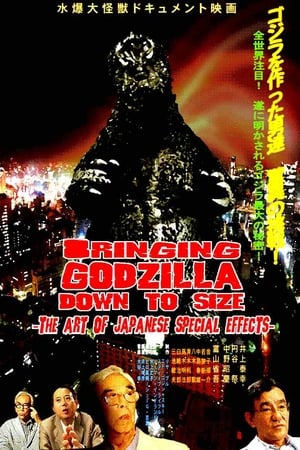
A look at the unrecognized work of the talented artists and craftsmen who've maintained the tradition of Japanese special-effects. Highlighted is Yasuyuki Inoue along with various crew members who crafted meticulously detailed miniatures and risked life and limb as suit actors. All done to bring to life some of film's most iconic monsters through a distinct Japanese artform.
A group of people are standing along the platform of a railway station in La Ciotat, waiting for a train. One is seen coming, at some distance, and eventually stops at the platform. Doors of the railway-cars open and attendants help passengers off and on. Popular legend has it that, when this film was shown, the first-night audience fled the café in terror, fearing being run over by the "approaching" train. This legend has since been identified as promotional embellishment, though there is evidence to suggest that people were astounded at the capabilities of the Lumières' cinématographe.
With loans from across the world, this major retrospective will bring together Vermeer’s most famous masterpieces including Girl with a Pearl Earring, The Geographer, The Milkmaid, The Little Street, Lady Writing a Letter with her Maid, and Woman Holding a Balance. This film invites audiences to a private view of the exhibition, accompanied by the director of the Rijksmuseum and the curator of the show.
Actress Suzanne Cloutier is interviewed about "Othello", Orson Welles' masterpiece, in which she played Desdemona.
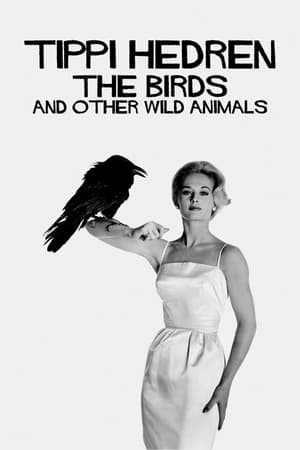
A woman in her twenties has just admitted herself to a psychiatric hospital in California. A staff doctor characterizes her behavior as antisocial and impulsive.
A thirty-three-minute documentary featuring interviews with director Pier Paolo Pasolini, actor-filmmaker Jean-Claude Biette, and Pasolini friend Ninetto Davoli.
A comic, biting and revelatory documentary following a small group of prankster activists as they gain worldwide notoriety for impersonating the World Trade Organization (WTO) on television and at business conferences around the world.
Director Dan Farah got 34 senior members of the U.S. Government, military, and intelligence community to come on camera. He says they reveal an 80 year cover-up of the existence of non-human intelligent life and a secret war amongst major nations to reverse engineer technology of non-human origin. The film explores the profound impact the situation has on the future of humanity, while providing a look behind-the-scenes with those at the forefront of the bi-partisan disclosure effort.
Documentary about the making of Pier Paolo Pasolini's The Canterbury Tales (1972), and particularly focusing on the many edits and cut scenes that were made before the film's release.
Documentary about a lost sequence from Pier Paolo Pasolini's 1971 film "The Decameron".
Documentary featuring a candid interview with Kieślowski and rare behind-the-scenes footage from the set of The Double Life of Véronique
A chronicle of the production problems — including bad weather, actors' health, war near the filming locations, and more — which plagued the filming of Apocalypse Now, increasing costs and nearly destroying the life and career of Francis Ford Coppola.
A look at the state of the global environment including visionary and practical solutions for restoring the planet's ecosystems. Featuring ongoing dialogues of experts from all over the world, including former Soviet Prime Minister Mikhail Gorbachev, renowned scientist Stephen Hawking, former head of the CIA R. James Woolse
Documentary about the work of film director Michael Curtiz.
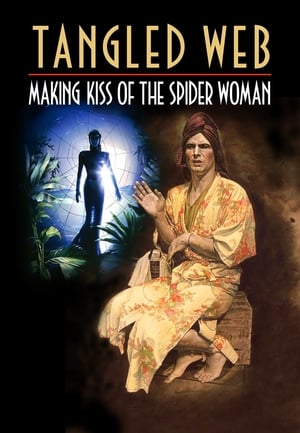
Rare documents and details of the film's story. From its initial option to its critical reception and legacy. Director David Weisman, who also produced "Kiss of the Spider Woman", comes off as rightful creative force behind the production, as it was his true passion. Very detailed comments from all the participants, from the author of the book to the lawyer for the production company, the actors, director, writers, producer, and crew members.
When looking at Pedro Almodóvar’s filmography, it becomes evident that women are everywhere; in fact, his work revolves around them. His divas are the best to create a real portrait of Almodóvar and evoke the emotional power of his films. These women are the ideal observers of a cinematic career that, from La Mancha to Hollywood, has changed the image of Spain in the world.
Six elderly retired women, two from Buenos Aires, Argentina; two from Montevideo, Uruguay; and two from Madrid, Spain, have something in common, despite their different interests and lives: they go to the movies almost every day.
Death and the devil, nudity and eroticism, horror in blazing colours, Gothic art cast a spell over people 500 years ago. In these image-poor times, art deliberately and skilfully played with the emotions of the viewer, triggering fear, devotion, but also rapture. Art documentary on German gothic art of the late-middle ages.