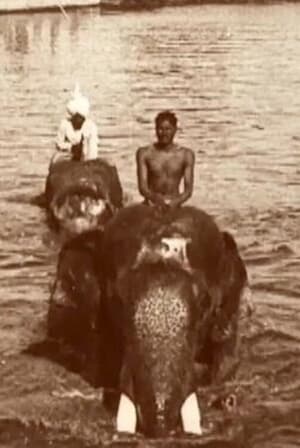
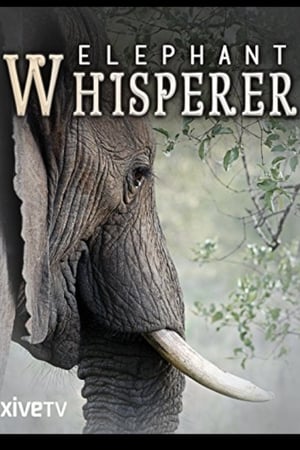
Sangduen Chailert, or Lek, as she is generally known, has already rescued over 200 elephants. She has dedicated her life to saving the Asian elephant and founded a special camp, The Elephant Nature Park to protect them. We follow this winner of Time Magazine’s “Asian Hero of the Year” Award in her work. Lek is on a mission to save the Asian elephant in her native Thailand. This film looks at the plight of the Asian elephant, as it goes from being a widely used domestic animal, to becoming a burden on modernizing communities. With experts predicting its extinction within four decades, Lek’s work is needed now more than ever and she has gathered a large group of supporters and volunteers in her quest for a better future for the Asian elephant. This moving film demonstrates Lek’s natural understanding of and rapport with these huge animals and will stir the viewers emotions as it highlights the often desperate state some elephants are kept in.
A look at global sex tourism, focusing on the situation in Venezuela and Thailand.
Tsunami 2004 : ils ont filmé la catastrophe du siècle
Are tourists destroying the planet-or saving it? How do travelers change the remote places they visit, and how are they changed? From the Bolivian jungle to the party beaches of Thailand, and from the deserts of Timbuktu, Mali to the breathtaking beauty of Bhutan, GRINGO TRAILS traces stories over 30 years to show the dramatic long-term impact of tourism on cultures, economies, and the environment.
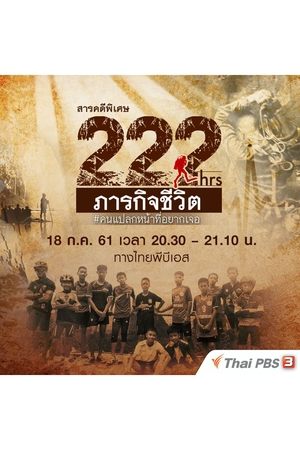
The enthralling, against-all-odds story that transfixed the world in 2018: the daring rescue of twelve boys and their coach from deep inside a flooded cave in Northern Thailand.
Juan “Accidentes” Dominguez is on his biggest case ever. On behalf of twelve Nicaraguan banana workers he is tackling Dole Food in a ground-breaking legal battle for their use of a banned pesticide that was known by the company to cause sterility. Can he beat the giant, or will the corporation get away with it?
The personal story of a young woman in her early 20's who escapes societies expectations and becomes a sheepherder for a summer season.
It is quickly becoming the most populated country in the world, but India holds a dark secret. Men and women who make their homes in the poor villages throughout the central region of the country are forced to make decisions that no parents should ever have to make. Sell a child into slavery or watch your children starve to death.
Japan is a country of steep mountains surrounding wide flat plains where people have lived for thousands of years. On the largest plain lies the country's largest freshwater lake, Lake Biwa, which is not at all far from Japan's ancient, capital city of Kyoto. The slopes that stretch down towards the lake have been terraced. Here rice seedlings need shallow water in which to grow, and the neat, meticulously constructed paddy fields provide just this. Some of them have been cultivated continuously for thousands of years. Alongside them stand patches of woodland where, for centuries, the people have found their fuel and their food. This is a land that has been touched by people, yet the people tread lightly upon it. It's a land that has been ruled for centuries by the demands of the rice, yet it's still dominated by the rhythmic cycle of the seasons. Here is a landscape that the Japanese people hold so close to their hearts that they have a special word for it: Satoyama.
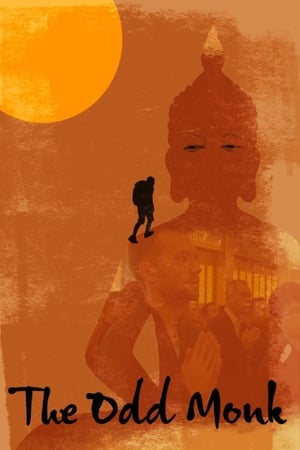
The Odd Monk is a personal journey through modern day Buddhism. German first time Filmmaker Jesco Puluj travels around the world, meeting a variety of monks and nuns to discover the essence of Buddhism.
Ashley Bell and a team of elephant rescuers led by world renowned Asian elephant conservationist Lek Chailert, embark on a daring 48-hour mission across Thailand to rescue a 70-year old captive blind Asian elephant and bring her to freedom.
The camera floats quietly to capture the beauty that emerges from the mundane. Accompanied by Ryuichi Sakamoto's composition, Arseny Tarkovsky's poem celebrates life.
From love pride parade to the strain hunters of Thailand. A vlogger makes its journey from the side hustle streets of Bangkok, covering the lost gems of Pattaya beaches and the mystical wonders of valuable antiques, amulets and significant temple paintings.
This expository documentary is shedding some light on the southeast Asian elephant industry. What is this dark secret? And why is it harmful for the elephants? What is behind the latest trend “no riding”? What are the ethical elephant parks, and are they really in favor with their beloved animals?
Tenei village is located in Fukushima prefecture's beautiful surrounds. It is 70 kilometers away from the Fukushima Daiichi Nuclear Power Plant. When the Fukushima Nuclear Power Plant failed in March 2011, radioactive particles fell and contaminated the rice fields. But the farmers couldn't just abandon their land as they live on the land and wanted to protect it for future generations. The farmers decided to pursue scientific methods to secure food safety. They were on their own without Government assistance. This film documents their determination and efforts in overcoming an environmental crisis that had never been experienced before.
Women workers stand up to the toxic flower industry in Colombia.
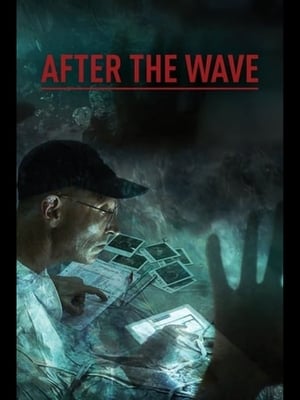
The Boxing Day Tsunami in 2004 was the most devastating natural disaster in modern times, killing 228,000 people across 13 countries in just a few hours. AFTER THE WAVE tells the untold story of this epic forensic operation in Thailand to identify and return home the bodies of over 5,000 victims, both locals and holidaymakers from around the world. Led by a crack Australian team, the best forensic specialists from around the world were in a race against time to give back every victim their identity. Creating forensic history, the international team’s mantra from the outset was ‘we will take them home’, a seemingly impossible ambition but one that almost succeeded. In this film forensic science intersects with powerful stories of survival and loss, attempting to make some sense out of a tragedy so bewilderingly complete that nearly a decade out it still seems far-fetched to most of us.
A film about rice cultivation that depicts the most beautiful rice field landscape in Japanese cinema history and the most realistic depiction of modern rice farmers.
There are only 320 Mlabri people left on this planet. They came out of the jungle in Northern Thailand on the border to Laos one generation ago. The Mlabri people used to be hunters and gatherers. Today they scrape out a meagre existence at the bottom of society working as day labourers for the Hmong farmers, and living in shacks on the outskirts of larger Hmong villages. The Mlabri people are currently going through a transformation process, which has taken many other people thousands of years. Now the young people are faced with the choice of staying with their families in the village or adapting to the Thai society. How do they experience the meeting between their own culture and the local, regional and national majority cultures? In this film young Mlabri tell about their past, present and future as they see it; all expressed in their unique and expressive Mlabri language.
A documentary film tells the true story of the locals in southern of Thailand through the life of 4 families that live in different provinces, but hand and share their kindness to one another. The reality of their life is arranged into the story disclosing beautiful sides of the southern of Thailand and changing the point of view about the violence that's been happened in the area.