In this visual essay John Bengtson, author of Silent Echoes: Discovering Early Hollywood Through the Films of Buster Keaton, provides a tour of where Seven Chances was filmed, comparing archival images with contemporary photos, and sharing stories of Mrs. Eleanor Keaton's visit to the Seven Chances church.
Four visual essays by Silent Echoes author John Bengtson identifying Buster Keaton's shooting locations for his many short films produced between 1920-1923, many in the streets surrounding his former Hollywood studio, the same studio where, a few years earlier, Charlie Chaplin had made his brilliant series of Mutual shorts.
Prestonburg, KY is a small blue-collar town with hunting, fishing, coal mining, and two of the biggest names in online horror talk radio: Wes Vance and Aaron Frye (aka "The Creepy Kentuckian" and "Uncle Bill") The two self-proclaimed "redneck geeks" bonded at a young age while their weekends devouring horror films. They now use their extensive horror knowledge to record a weekly podcast on DEADPIT.com and have found a worldwide audience through their candid conversation, quick wit, and lots of swearing. What started as an outlet to express their love for horror films has evolved into an online industry with millions of followers and the ability to talk to their childhood heroes. But what happens when your childhood pursuits start to collide with your adult aspirations? Can Deadpit survive it's own success?
Remarkable life story of Henri Diamant-Berger, a director and screenwriter whose devotion to cinema led him to collaborate with some of the greatest actors and filmmakers of his time.
This visual essay by John Bengtson, author of Silent Echoes: Discovering Early Hollywood Through the Films of Buster Keaton, reveals the locations where Keaton's 1923 comedy feature Three Ages was filmed in Hollywood, USC, and Los Angeles.
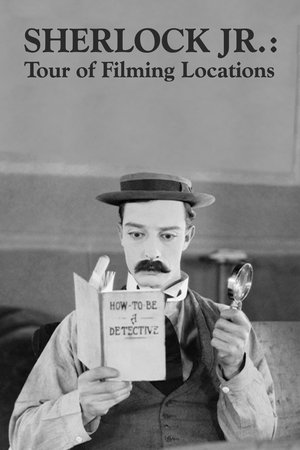
This visual essay by John Bengtson, author of Silent Echoes: Discovering Early Hollywood Through the Films of Buster Keaton, reveals the locations where Keaton's 1924 comedy feature Sherlock Jr. was filmed in Hollywood and Orange County.
In this visual essay John Bengtson, author of Silent Echoes: Discovering Early Hollywood Through the Films of Buster Keaton, pinpoints the locations used in the filming of The General and offers glimpses of how they look today.
*The Tale of Texas Pool* is a captivating documentary that delves into the rich history of billiards in Texas, uncovering its deep ties to the state's culture and identity. The film explores the close connection between the game and gambling, focusing on the hustlers who use inventive and high-stakes bets to lure in challengers. Through colorful anecdotes of bizarre wagers—like roller-skate pool matches and golf balls hurled over vast distances—the documentary showcases the sport's unpredictable and fiercely competitive spirit. More than just a look at a game, *The Tale of Texas Pool* paints a vivid portrait of the people and places that have shaped Texas culture. By weaving together personal stories with historical insights, it offers a compelling exploration of how billiards became a cornerstone of the state's identity, while celebrating the resilience, character, and passion that define both the sport and its players.
Documentary about the making of Chaplin (1992).
Short documentary exploring the fame and talent of Charlie Chaplin.
Behind The Monsters - Les coulisses d'Halloween
A personal meditation on Rumble Fish, the legendary film directed by Francis Ford Coppola in 1983; the city of Tulsa, Oklahoma, USA, where it was shot; and its impact on the life of several people from Chile, Argentina and Uruguay related to film industry.
A documentary about Buster Keaton's "Italian" villa in Beverly Hills.
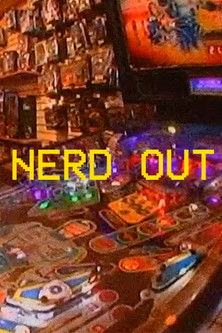
A documentary about three different physical media shop owners "nerding out" about the media that their store specializes in and their thoughts on how one day physical media may become obsolete.
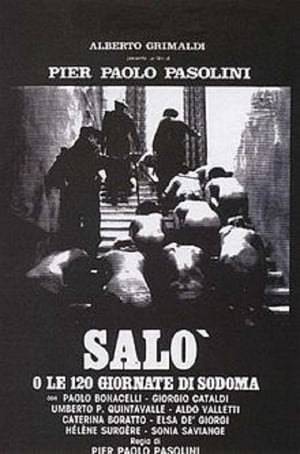
Documentary about the making of the film Salò by Pier Paolo Pasolini
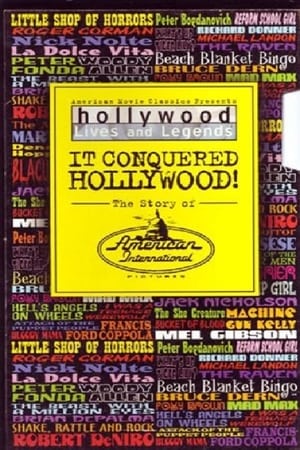
A 60-minute salute to American International Pictures. Entertainment lawyer Samuel Z. Arkoff founded AIP (then called American Releasing Corporation) on a $3000 loan in 1954 with his partner, James H. Nicholson, a former West Coast exhibitor and distributor. The company made its mark by targeting teenagers with quickly produced films that exploited subjects mainstream films were reluctant to tackle.
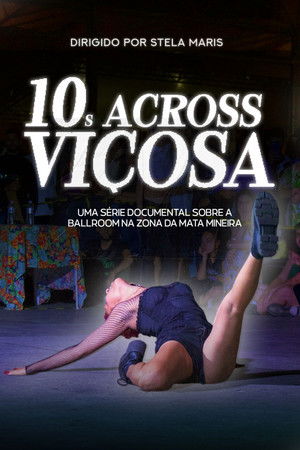
A documentary exploring the vibrant ballroom scene in Viçosa, Minas Gerais. Through the lives of local performers, it highlights how queer, trans, and non-binary communities create spaces of self-expression, creativity, and resilience. The film captures the energy of balls, the art of voguing, and the deep sense of community, while also examining the challenges participants face in a society that often marginalizes them. By documenting this unique subculture, the film celebrates LGBTQ+ identity, pride, and the transformative power of performance in shaping belonging and visibility.
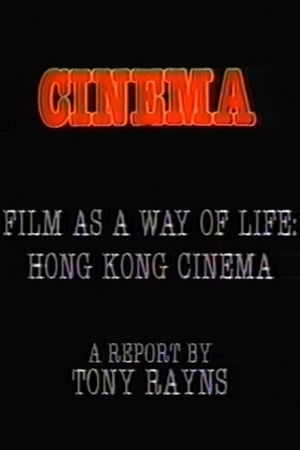
Examines the early 1980s Hong Kong filmmaking community. Tony Rayns interviews some of the new generation of filmmakers and figures from the wider film culture.
A documentary about the legendary Japanese filmmaker.
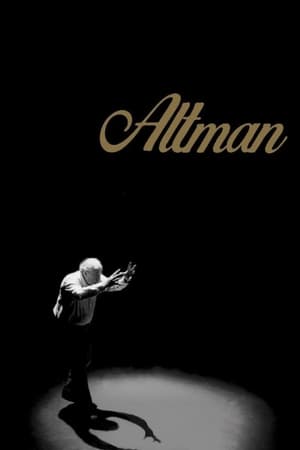
Robert Altman's life and career contained multitudes. This father of American independent cinema left an indelible mark, not merely on the evolution of his art form, but also on the western zeitgeist. With its use of rare interviews, representative film clips, archival images, and musings from his family and most recognizable collaborators, Altman is a dynamic and heartfelt mediation on an artist whose expression, passion and appetite knew few bounds.